
Basic Information for SpO2 Measurement
The essentials of peripheral capillary oxygen saturation: normal ranges, what the number means clinically and what it does not tell you.
Published 2020-01-30 by Trumor Ltd
SpO2 (Peripheral Oxygen Saturation) is one of the most commonly used vital signs in healthcare. It measures the percentage of oxygen-saturated hemoglobin in the blood.
Simply put, it tells you how much of the oxygen your blood is carrying is being delivered to the peripheral parts of your body (like fingers or earlobes).
What is it ?
Sp : Peripheral capillary oxygen saturation (measured by a pulse oximeter)
O2 : Oxygen
Normal values are typically 95% to 100%.
A reading below 90% is generally considered hypoxemia and requires medical attention.
How is it measured ?
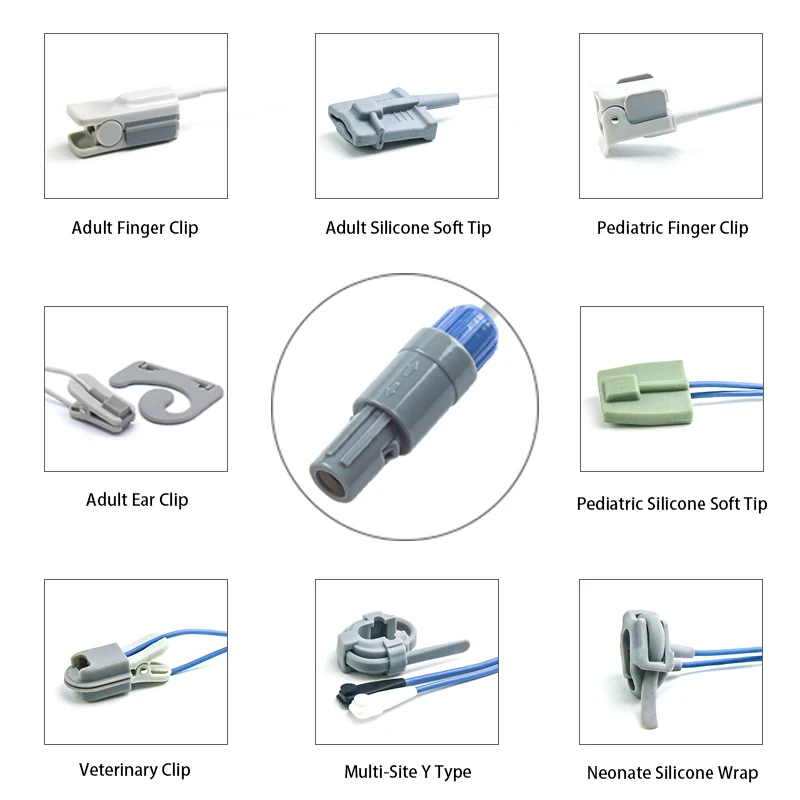
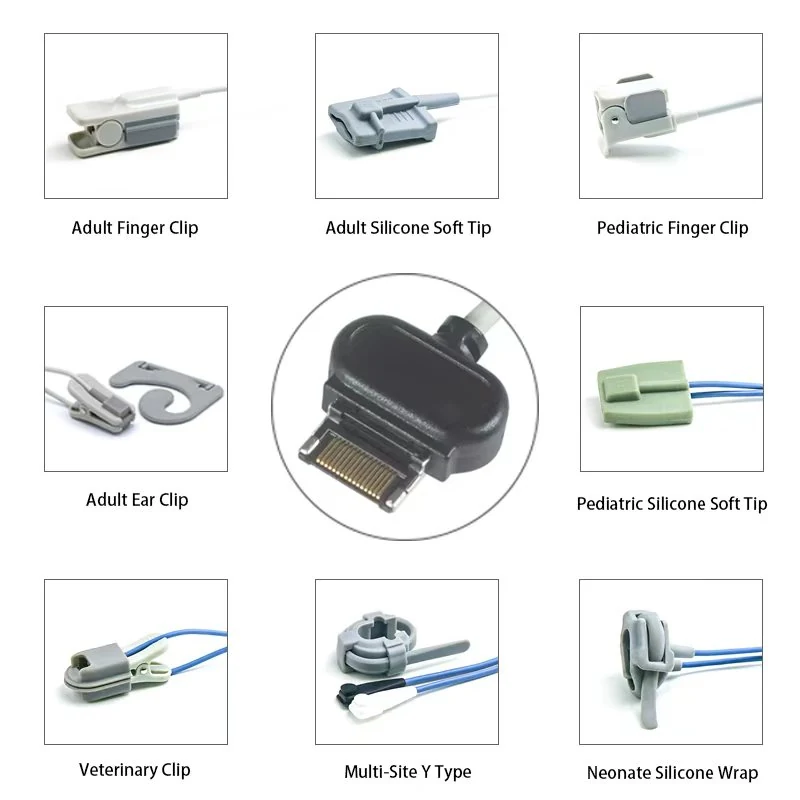
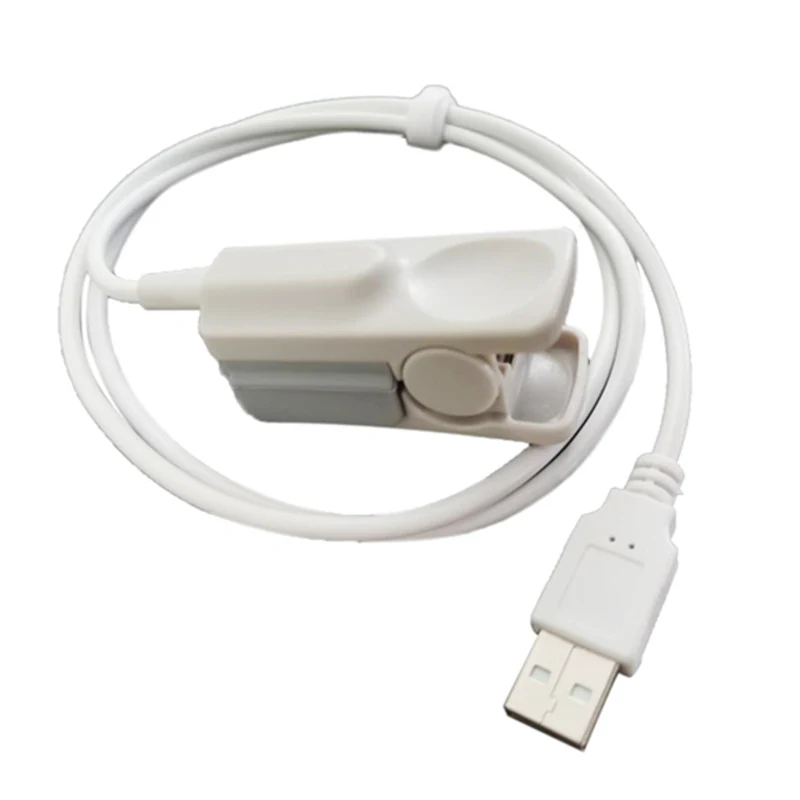
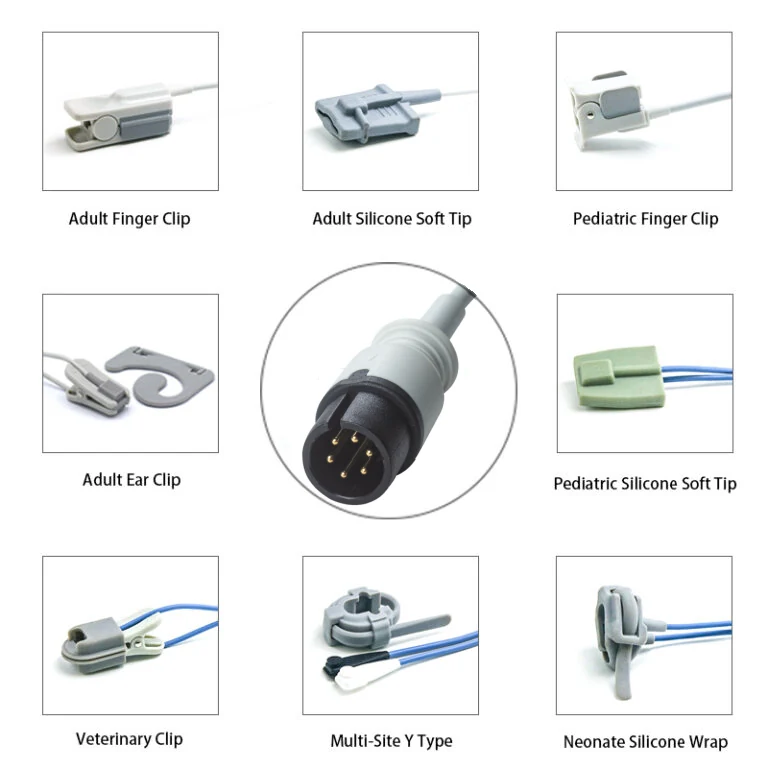
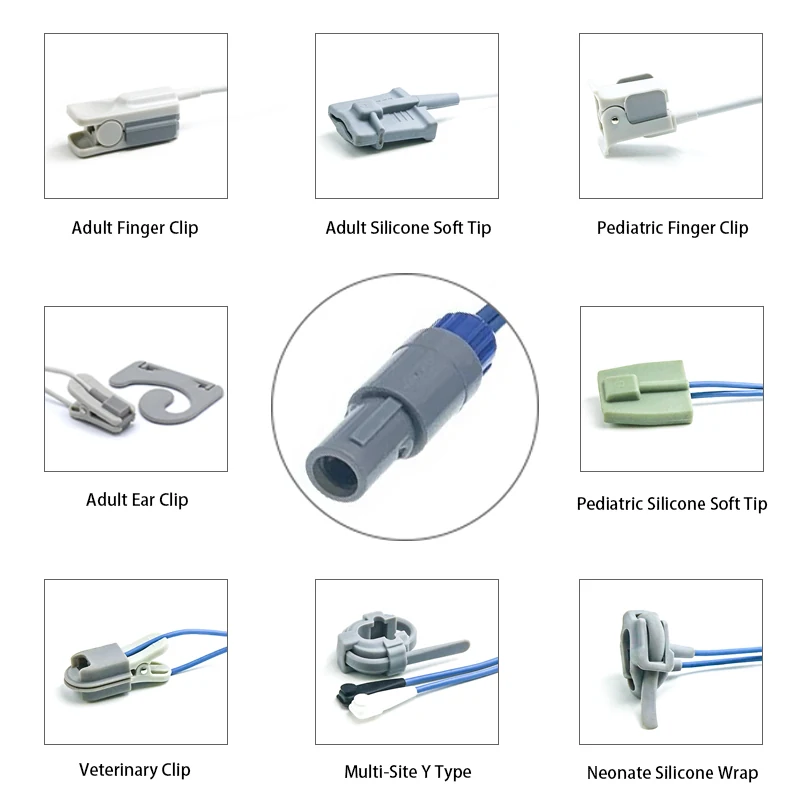
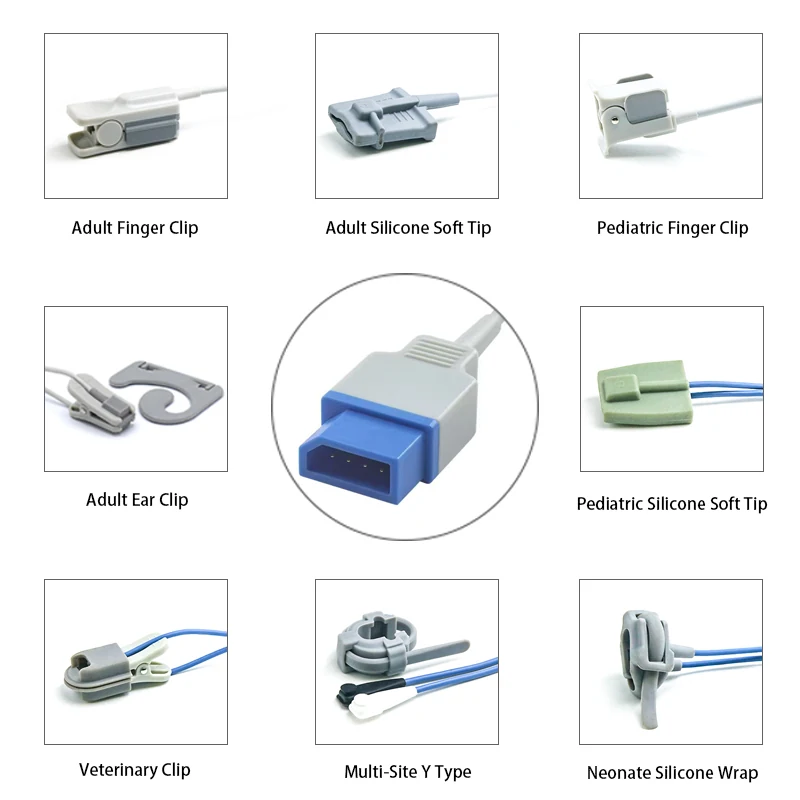
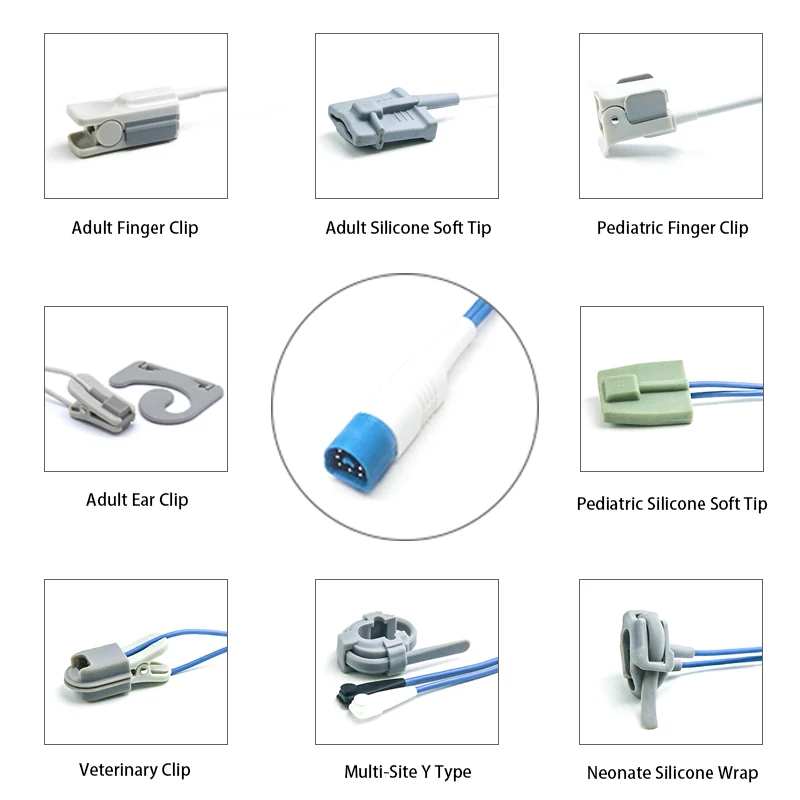
Using a pulse oximeter-a small clip placed on a finger, toe, or earlobe.
Principle: It uses the property that oxygenated and deoxygenated hemoglobin absorb red and infrared light differently. A sensor calculates the saturation percentage.
Why is it important ?
Provides a quick and non-invasive assessment of a person's oxygenation status.
Monitors patients with respiratory conditions (e.g., asthma, pneumonia, COPD, COVID-19).
Used during surgical anesthesia, intensive care, rehabilitation, and home health management.
Normal Range & Interpretation:
96%-100% : Normal range.
95% : Usually acceptable, but warrants observation.
90%-94% : Low, may indicate hypoxia. Inform a healthcare professional (especially for individuals with lung disease).
Below 90% : Medical alert. Significant hypoxia, requires immediate medical care.
Note: Some patients with chronic lung diseases (e.g., severe COPD) may have a lower "normal" baseline (e.g., 88%-92%). Doctors provide individualized targets.
Limitations / Factors Affecting Accuracy:
Not a substitute for arterial blood gas (ABG) analysis : SpO2 only measures oxygen saturation, not carbon dioxide levels or acid-base balance.
Readings can be inaccurate : Readings may be unreliable in cases of poor peripheral circulation(cold, low blood pressure, shock),nail polish/artificial nails, skin pigmentation, patient motion, severe anemia, or carbon monoxide poisoning (which can show a deceptively normal/high value).
Simple Summary :
SpO2 is a key indicator of how efficiently blood carries oxygen. It should normally stay above 95%. It is an extremely useful monitoring tool, but readings must be interpreted in the context of the patient's overall symptoms (e.g., shortness of breath, chest pain, altered mental status) and clinical situation. Seek professional medical help for abnormal readings or if feeling unwell.
Questions Readers Ask
What does SpO2 stand for
Peripheral capillary oxygen saturation - the percentage of oxygen-saturated hemoglobin relative to total hemoglobin in the blood.
What affects the accuracy of a reading
Poor perfusion, low blood pressure, cold hands, patient motion, dark nail polish, bright ambient light and irregular heart rhythms.
Where is SpO2 monitoring used
Hospitals and clinical settings, home management of chronic conditions such as COPD, asthma and sleep apnoea, sports and fitness, and aviation and high altitude.
Do you supply sensors for all these settings
Our catalogue covers clinical and home care monitoring. Tell us the device and we will confirm the matching sensor.
Put This Into Practice
Send the monitor brand and model you are working with and we will name the sensor that fits it.