
Knowledge
Future Trends and Potential Innovations in Smart Locks
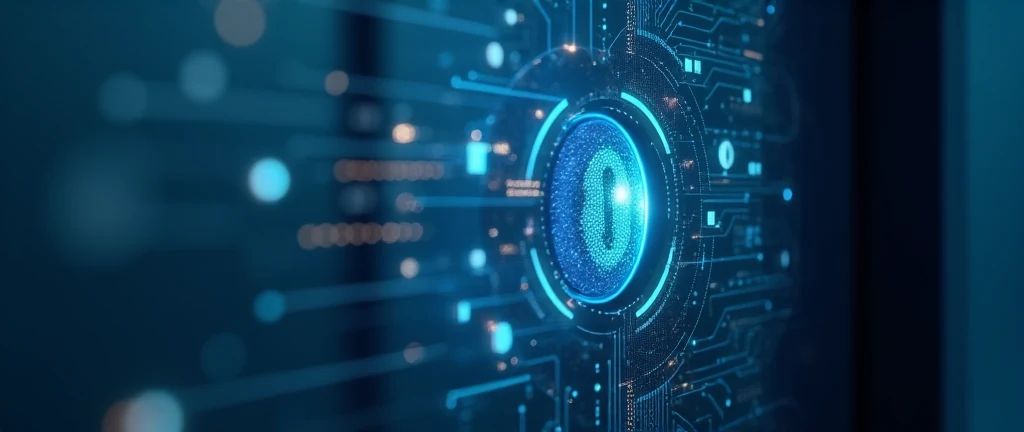
- Trend: Increasing integration with broader smart home ecosystems, including voice assistants (like Amazon Alexa, and Google Assistant), smart thermostats, and security cameras.
- Innovation: Seamless Interoperability: Future smart locks will offer enhanced compatibility and integration with various smart home devices, allowing for more cohesive and automated home environments.
- AI-Powered Automation: Artificial intelligence will play a role in learning user habits and preferences, and automating lock functions based on contextual information (e.g., locking doors when everyone leaves home).
- Trend: Growing emphasis on advanced security measures to protect against evolving threats.
- Innovation: Biometric Advancements: Beyond fingerprints and facial recognition, future innovations might include voice recognition, iris scanning, or even behavioral biometrics for more robust security.
- Blockchain Technology: Utilizing blockchain for secure, tamper-proof access logs and user authentication, ensuring data integrity and security.
- Trend: Focus on making smart locks more user-friendly and accessible.
- Innovation: Touchless Access: Development of touchless access systems using technologies like RFID or ultra-wideband (UWB) for quick and hygienic unlocking.
- Adaptive Access Control: Smart locks that adapt to user behavior, such as automatically unlocking when it detects a user’s presence or adjusting access levels based on time of day or user identity.
- Trend: Increased attention to energy efficiency and sustainability in smart lock designs.
- Innovation: Low-Power Consumption: Innovations in energy-efficient components and power management to extend battery life and reduce environmental impact.
- Renewable Energy: Integration of solar or kinetic energy harvesting technologies to power smart locks, reducing reliance on disposable batteries.
- Trend: Expanding connectivity options for greater control and convenience.
- Innovation: 5G Integration: Leveraging 5G technology for faster and more reliable communication between smart locks and other devices, enabling real-time updates and remote access.
- Edge Computing: Incorporating edge computing to process data locally, reducing latency and improving response times for lock operations.
- Trend: Evolving design aesthetics and customization options to meet diverse consumer preferences.
- Innovation: Modular Designs: Offering modular smart lock components that allow users to customize features and aesthetics according to their needs and preferences.
- Stylish and Concealed Designs: Develop locks that integrate seamlessly with modern architectural styles and are less obtrusive.
- Trend: Growing concern over privacy and data security with the rise of connected devices.
- Innovation:
- Enhanced Encryption: Implementing advanced encryption standards to safeguard user data and communication between smart locks and connected devices.
- User-Controlled Privacy Settings: Providing users with more control over their privacy settings, including data sharing permissions and access logs.
- Trend: Expanding availability and adaptation of smart locks to meet global and local market needs.
- Localized Features: Tailoring smart lock features to accommodate regional security standards, languages, and cultural preferences.
- Global Compatibility: Ensuring smart locks can function across different international standards and infrastructures, broadening market reach.
Keep reading
More from the knowledge centre
2024-09-24
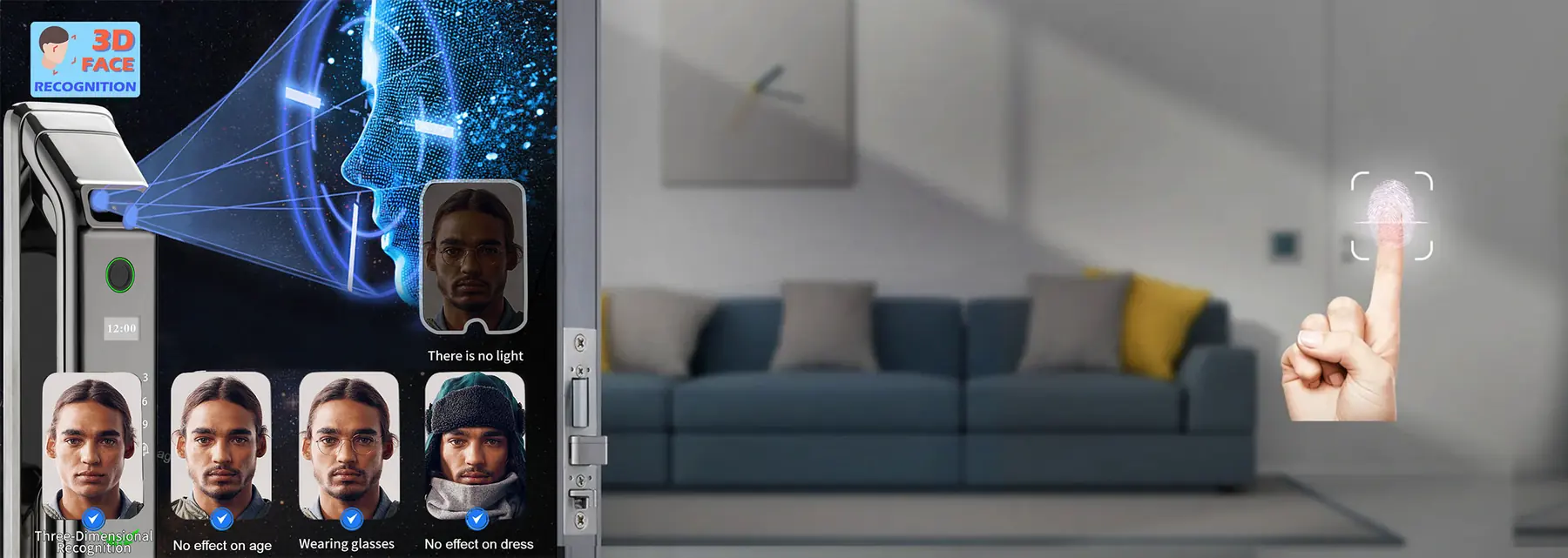
Unlock with a Photo? Don’t Be Silly! See How 3D Face Recognition Crushes That Myth
High Security: It resists spoofing attacks through 3D recognition. Convenience: No need to carry keys or phones, present...
Read more →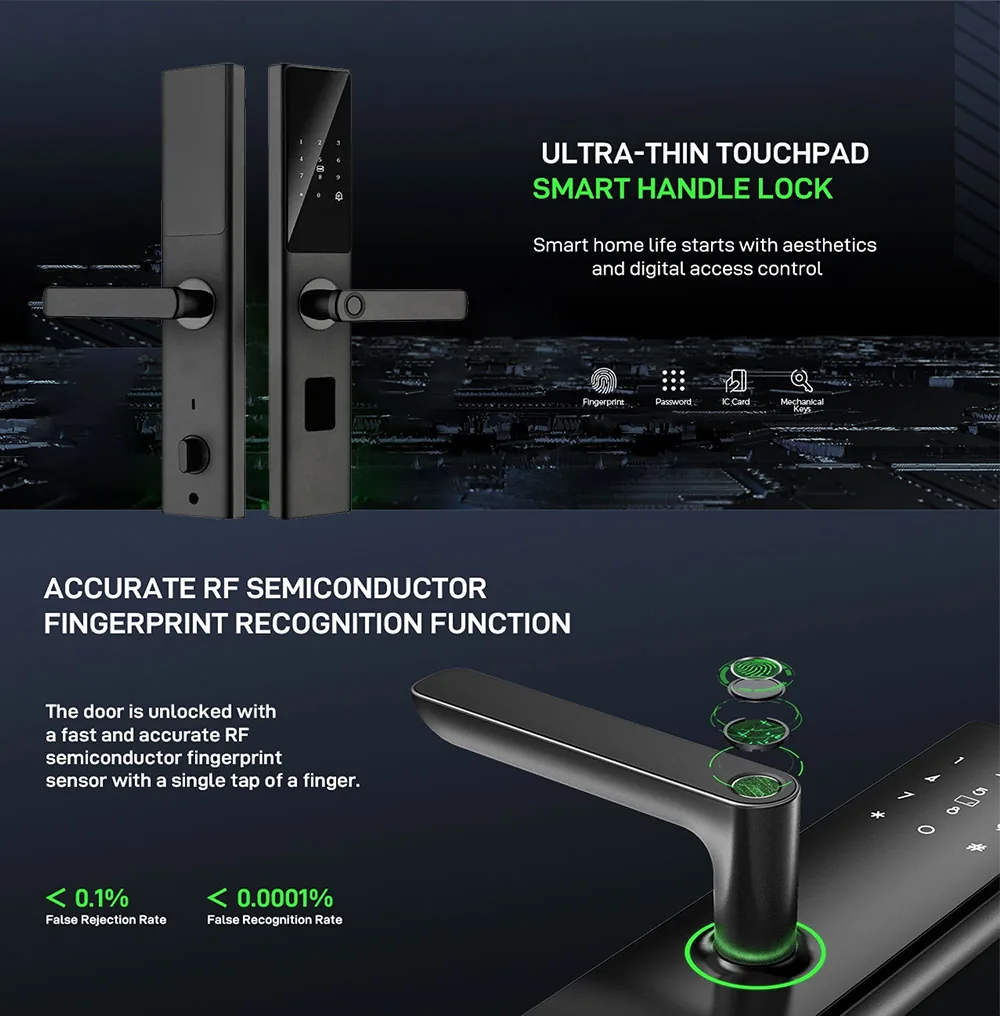
2024-08-21
What Is a Smart Lock and Why Would You Want One?
What Is a Smart Lock and Why Would You Want One? A smart lock is a Wi-Fi or Bluetooth-enabled smart home device that let...
Read more →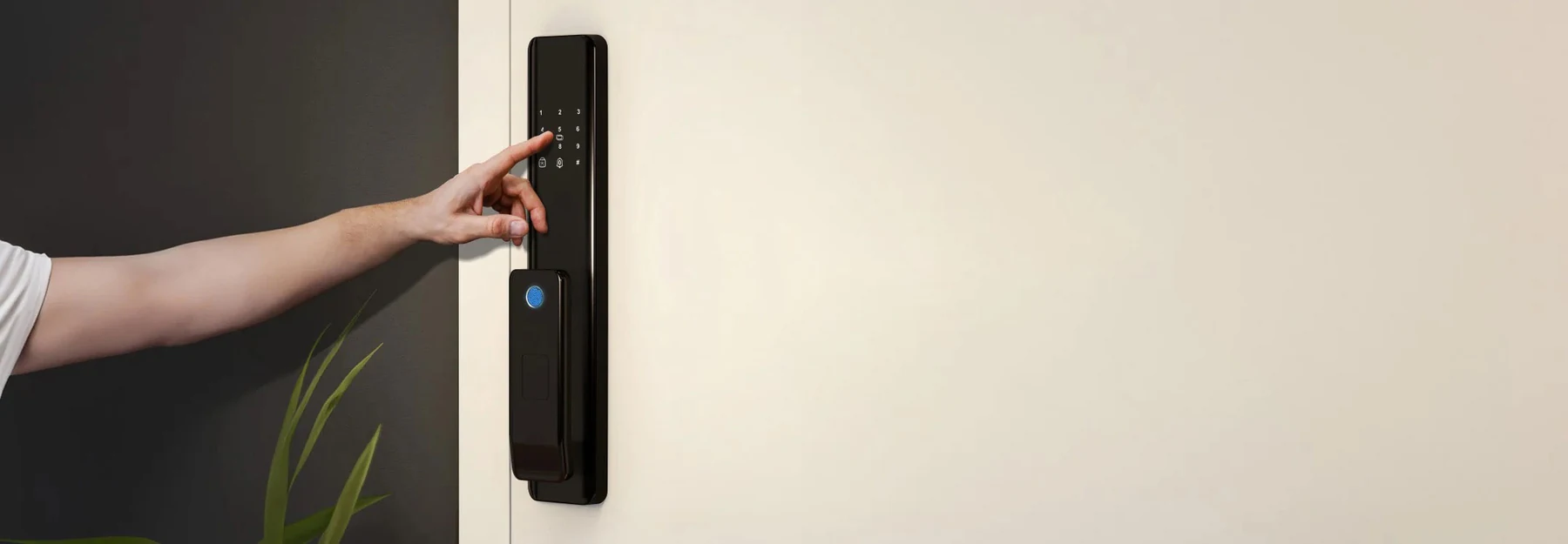
2024-08-13
Leading the Green Trend: Innovative Low-Power Smart Door Locks Usher in a New Era of Smart Homes
Leading the Green Trend: Innovative Low-Power Smart Door Locks Usher in a New Era of Smart Homes In today’s society, wit...
Read more →