Product Guide
What Is a Photoengraving Zinc Plate
A photoengraving zinc plate is a sheet of rolled zinc carrying a light-sensitive coating. You expose an image onto it, develop away the resist you do not want, and etch the exposed metal in an acid bath. What is left standing is a relief that can print, stamp, emboss or coin.
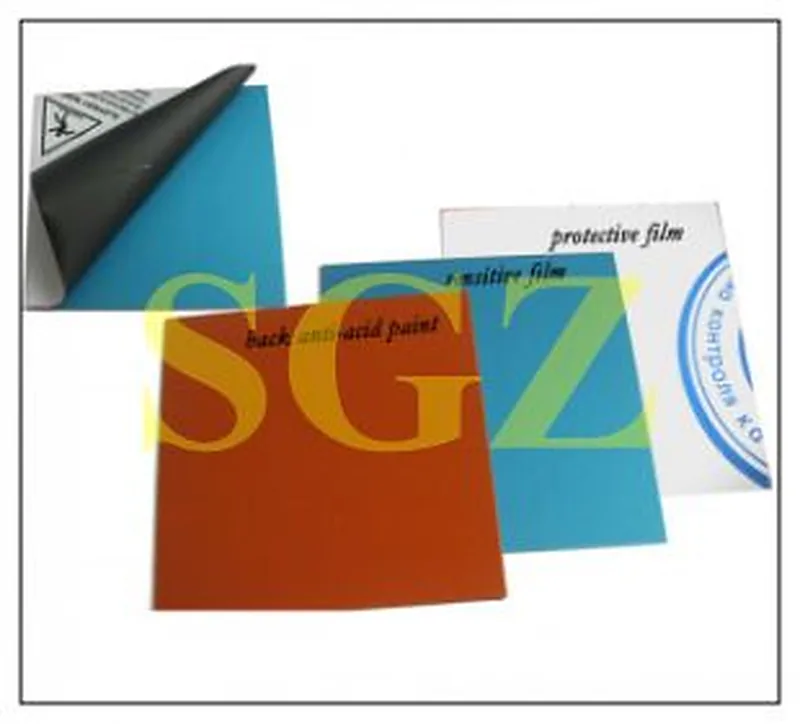
What the plate is made of
SGZ controls the alloy tightly. Aluminium sits between 0.02 and 0.10 percent and magnesium between 0.05 and 0.15 percent. Lead and cadmium are held at or below 0.005 percent, iron at or below 0.006 percent and copper at or below 0.001 percent. Zinc is the balance.
On the uncoated polished grade SGZ states purity as 99.95 percent. Purity matters because inclusions in the metal etch at a different rate from the surrounding zinc and leave pitting in the floor of the relief.
Coated or uncoated
A coated plate arrives with blue photoresist already applied to the front face, free of bubbles and scratches. You can expose it the day it lands.
An uncoated plate is bare polished metal. It suits shops that coat their own resist, and it suits CNC engraving, where no resist is needed at all.
Why the back of the plate matters
During etching, acid will attack any exposed zinc, including the reverse face. If it gets behind the plate the sheet distorts and the run is lost.
SGZ offers two answers on zinc. The first is anti-acid painting, orange or golden yellow depending on what is in stock. The second is a red film pasted on the back, which peels off completely once the plate is etched. Coated magnesium plate uses green anti-acid painting.
Sizes and thicknesses
Stock sizes are 1000 x 500 mm and 1000 x 510 mm, with other sizes made to request.
Coated plate runs from 0.8 to 3.0 mm. Uncoated polished plate runs from 0.8 to 7.0 mm, polished up to 3.0 mm and supplied non-polished from 3.5 to 7.0 mm.
What you etch it with
SGZ names Velv-Etch, the Fuji additive model E002, and its own house zinc additive oil as the additives its zinc plate is designed to run with. Both come in 20 kg drums.
The developer between exposure and etching is KY161, an alkalescent positive plate developer SGZ specifies as especially good for its own etching zinc plate.
What the finished plate is used for
SGZ lists banner, wall-calendar, printing, stamping, embossing and coining as the applications for its coated zinc plate. These are the jobs where a metal relief outlasts any printed or moulded alternative.
Products Referenced in This Guide
Photoengraving Zinc Plate
Coated Zinc Plate for Engraving and Etching
Photoengraving zinc plate pre-coated with blue photoresist, 0.8-3.0 mm, with painted or filmed back.
View product →
Photoengraving Zinc Plate
Polished Zinc Plate for Engraving and Etching
Uncoated, polished photoengraving zinc plate, 99.95% purity, 0.8-7.0 mm, for CNC engraving or your own resist.
View product →
Developer
KY161 Positive Plate Developer
Alkalescent positive PS plate developer, powder 500 g/bag or 5 L liquid, suited to SGZ etching zinc plate.
View product →
Etching Additive Oil
Velv-Etch Zinc Etching Additive Oil
Fuji Velv-Etch model E002 zinc etching additive, 20 kg per drum.
View product →Answers
Questions About This Guide
What thickness of coated zinc plate can I order?
0.8 mm to 3.0 mm.
What is the purity of SGZ polished zinc plate?
99.95 percent.
Can I remove the back-side coating after etching?
If you order the red film option, yes. It peels off completely after etching. Anti-acid painting stays on.
Which additive should I use?
Velv-Etch (E002) or the SGZ zinc etching additive oil, both in 20 kg drums.
Read Next
Comparison Guide
Coated or Uncoated Photoengraving Plate
Coated plate arrives ready to expose but is limited in thickness and size. Uncoated plate is bare metal, goes thicker and larger,...
Read more →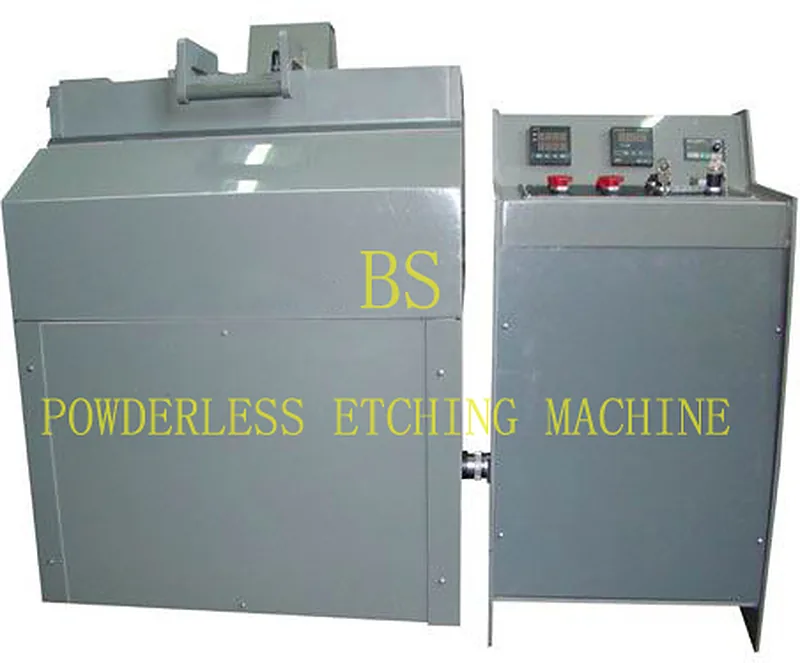
Process Guide
Powderless Etching Explained
How a powderless etching machine works: bath capacity from 20 to 200 litres, rotation to 450 r/min, temperature 15-30 C, time to...
Read more →Put This Into a Quotation
SGZ quotes plate, developer, additive and machine together. Send the sizes and the volume and you will get one price for the line.