
Home/Knowledge Centre/When to Replace a Truck Tyre
When to Replace a Truck Tyre
Tread depth, irregular wear patterns, casing damage and age indicators that decide whether a tyre is replaced or sent for retreading.
Knowing when to replace a truck tyre prevents safety risks, reduces downtime, and optimises cost. This guide outlines clear indicators - tread depth, wear patterns, casing integrity, and age - that help fleet operators and importers decide whether to retire a tyre or send it for retreading. Focus on wheel position, load index, and road surface conditions to align replacement timing with real-world performance.
Tread Depth and Legal Minimums
Tread depth is the primary factor in determining tyre replacement. In most markets, the legal minimum tread depth for truck tyres is 1.6 mm. When tread reaches this level, the tyre loses grip, especially on wet surfaces, increasing stopping distances and hydroplaning risk. Monitor tread depth regularly using a tread depth gauge. For retreadable tyres, some operators extend use to 2.0 mm if the casing is sound, but this depends on load index and road conditions. Always check local regulations, as some regions require deeper tread for safety.
Irregular Wear Patterns and Alignment Issues
Uneven wear - such as shoulder wear, center wear, or feathering - indicates alignment, balance, or suspension problems. Shoulder wear often points to underinflation or excessive cornering loads. Center wear suggests overinflation or high-speed driving. Feathering may result from misaligned wheels. These patterns reduce tyre life and increase fuel consumption. Addressing the root cause is essential before replacing or retreading. Regular wheel alignment checks and load distribution audits help maintain even wear across all wheel positions.
Casing Damage and Structural Integrity
Casing damage such as cuts, bulges, or punctures from impacts can compromise tyre safety. A bulge indicates internal cord separation, which can lead to sudden failure. Cuts deeper than 1 mm into the tread or sidewall may not be repairable. For retreading, the casing must have no structural damage and meet the manufacturer's criteria. Inspect tyres after every 10,000 km or after hitting potholes, curbs, or debris. Use X-ray detection to assess internal damage without dismounting the tyre.
Tyre Age and Rubber Degradation
Even if tread depth is sufficient, tyres degrade over time. Rubber compounds age, leading to cracking, loss of elasticity, and increased risk of failure. Most manufacturers recommend replacing tyres after 6 years from the date of manufacture, regardless of tread depth. Check the DOT code on the sidewall to find the production week and year. For fleets operating in high heat or UV exposure, consider a 5-year replacement cycle. Age-related failure is more common in tyres stored or used in hot climates.
Retreadability and Casing Life
Retreading extends casing life and reduces waste. A tyre is retreadable if the casing has no structural damage, consistent tread depth, and meets the retreader's specifications. Retreaded tyres are suitable for low-speed, high-load applications like regional hauls or terminal operations. Monitor casing life by tracking tyre usage, load index, and road surface type. Retreading is not recommended for tyres used in high-speed or severe-duty conditions. Always verify retread quality with a certified retreader.
Takeaways
- Check tread depth regularly - replace at 1.6 mm or consider retreading if casing is sound.
- Irregular wear patterns signal alignment or suspension issues that must be fixed.
- Inspect for bulges, cuts, or cracks - any structural damage requires immediate replacement.
- Replace tyres after 6 years from manufacture, even if tread depth is sufficient.
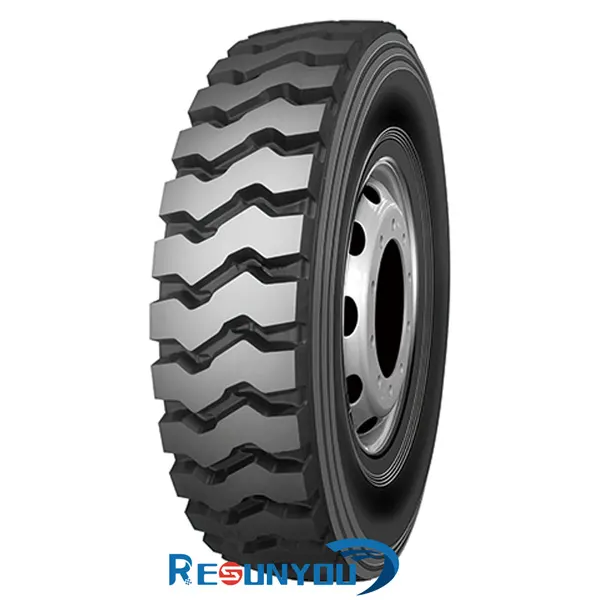
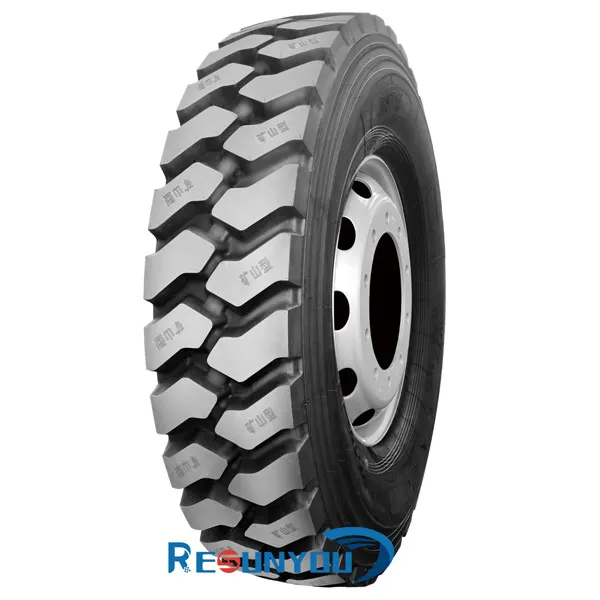
Products This Guide Refers To
Frequently Asked Questions
Can I retread a tyre with a 2.0 mm tread depth?
Yes, if the casing is intact and meets retreader specifications. Retreadability depends on casing condition, not just tread depth. Always confirm with a qualified retreader.
What does the DOT code mean on a tyre sidewall?
The DOT code shows the tyre's production date. The last four digits indicate the week and year of manufacture. For example, 2323 means the 23rd week of 2023. Use this to track tyre age and plan replacements.
Are retreaded tyres safe for long-haul trucking?
Retreaded tyres are safe for long-haul if used in appropriate applications. They are commonly used in regional and terminal operations. Avoid retreads in high-speed or severe-duty conditions where failure risk is higher.
How often should I inspect tyres for damage?
Inspect tyres before each trip and after every 10,000 km. Check for cuts, bulges, and tread wear. Use X-ray detection for internal damage, especially on tyres used in harsh conditions.
Need This Checked Against Your Own Fleet Data
Send your axle loads, routes and current sizes. We will comment on fitment before you order.