
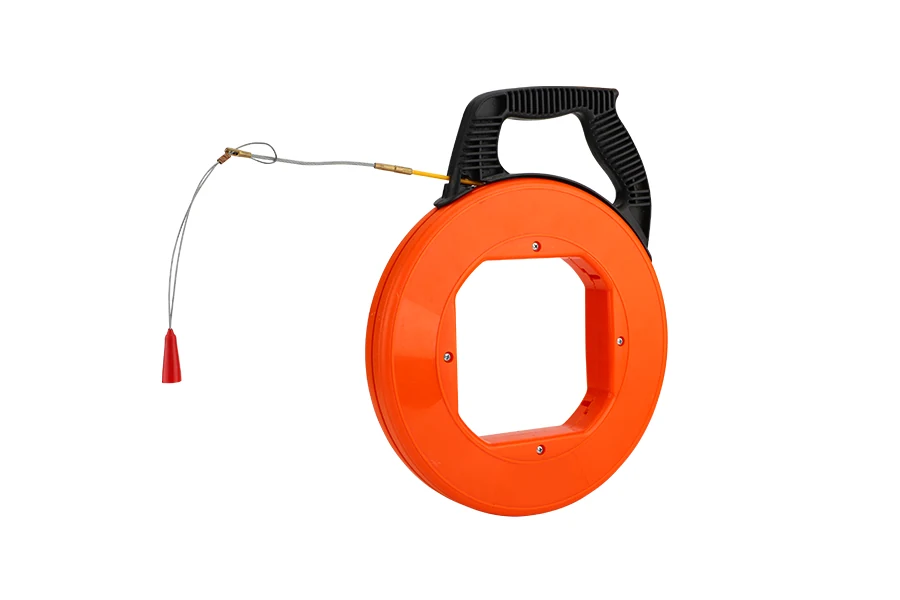
Fiberglass Cable Puller Fish Tape
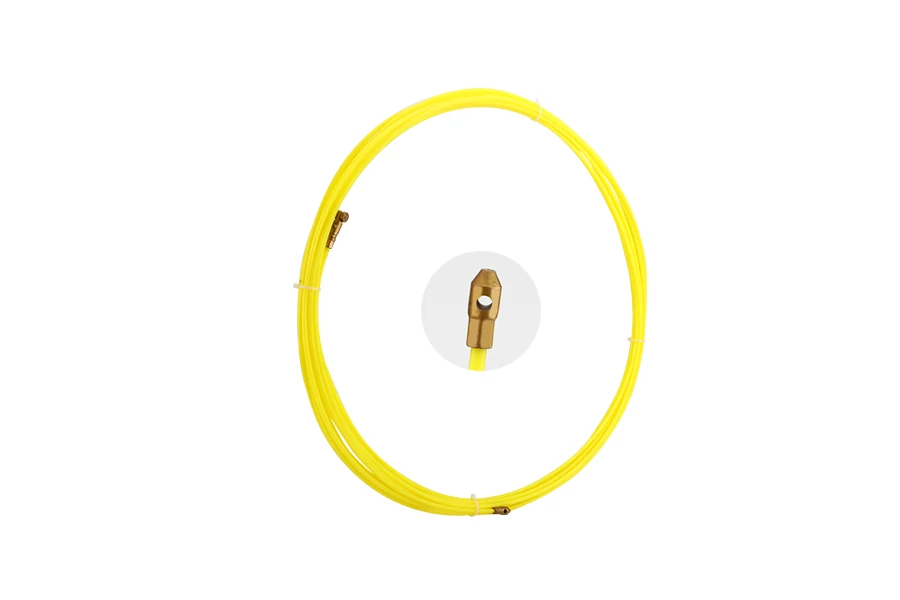
A rigid fiberglass rod for pushing through straight conduit, wall cavities and floor ducts to guide cable installation. The rod is non-conductive and corrosion-resistant, designed for use in dry, indoor environments. It comes in 3 m, 5 m and 10 m lengths, with a diameter of 3 mm. The rod is supplied with a handle and a hook at the end, and the brand can be printed to order for private-label buyers.
- Fiberglass construction is non-conductive, making it safe to use in occupied ducts and panel boxes
- Resists corrosion and damage from moisture, so it lasts longer than steel in damp environments
- Rigid rod design allows pushing through long, straight runs without bending or sagging
- 3 mm diameter is thin enough to fit through narrow conduit and tight spaces
- Available in 3 m, 5 m and 10 m lengths, covering short runs and longer installations
Key Benefits
- Fiberglass construction is non-conductive, making it safe to use in occupied ducts and panel boxes
- Resists corrosion and damage from moisture, so it lasts longer than steel in damp environments
- Rigid rod design allows pushing through long, straight runs without bending or sagging
- 3 mm diameter is thin enough to fit through narrow conduit and tight spaces
- Available in 3 m, 5 m and 10 m lengths, covering short runs and longer installations
- Can be branded with the buyer's own logo and name for private-label distribution
Where It Is Used
- Pushing cable through long, straight PVC or metal conduit in residential and light commercial buildings
- Installing network, data or low-voltage cable in new construction where the duct is empty
- Working in dry, indoor environments where a rigid rod is preferred over a flexible tape
- Field use by electricians who need a durable, non-conductive rod for safe cable routing
- OEM buyers who want to include this tool in their own branded tool kits
Who It Is For
- Electrical wholesalers and importers stocking cable pullers and electrician hand tools
- Retail and DIY chains that need a reliable, non-conductive rod for their tool range
- Electrical contractors doing new build and renovation work with straight conduit runs
- OEM and private-label buyers who want their own brand printed on the product
- Solar lighting project buyers who need tools for cable routing in dry, indoor installations
Problems It Solves
- Steel fish tapes conduct electricity and cannot be used safely in occupied ducts; this fiberglass rod is non-conductive
- Steel tapes corrode in damp environments and bind in conduit; fiberglass resists moisture and damage
- Flexible tapes struggle with long straight runs and can kink or twist; this rigid rod maintains straightness
- Buyers who stock only one type of puller miss out on jobs requiring a push rod; three lengths cover most needs
- Wholesalers need a tool that can be branded; this rod supports custom printing for own-label programmes
Technical Features
- Rigid fiberglass rod for pushing through straight conduit and ducts
- Non-conductive material suitable for use in occupied electrical spaces
- Diameter of 3 mm, designed for narrow conduit and tight access points
- Lengths available in 3 m, 5 m and 10 m
- Handle and hook at the end for secure grip and cable attachment
- Rod profile is straight and uniform, with no bends or coils
Specifications
| Material | Fiberglass |
|---|---|
| Colour | Red (standard) |
| Rod profile | Straight and rigid |
| End features | Handle and hook |
| Conductivity | Non-conductive |
Materials
- Fiberglass rod body, chosen for rigidity and non-conductive properties
- Plastic handle and hook at the end, designed for grip and cable attachment
Customisation Options
- Brand name and logo can be printed on the rod for private-label and OEM buyers
- Colour can be changed from the standard red upon request
Compared With The Alternatives
| Compared With | How This Product Differs |
|---|---|
| Steel fish tape | Steel is conductive and cannot be used in occupied ducts. Fiberglass is non-conductive and safe for live environments, but less flexible for bends. |
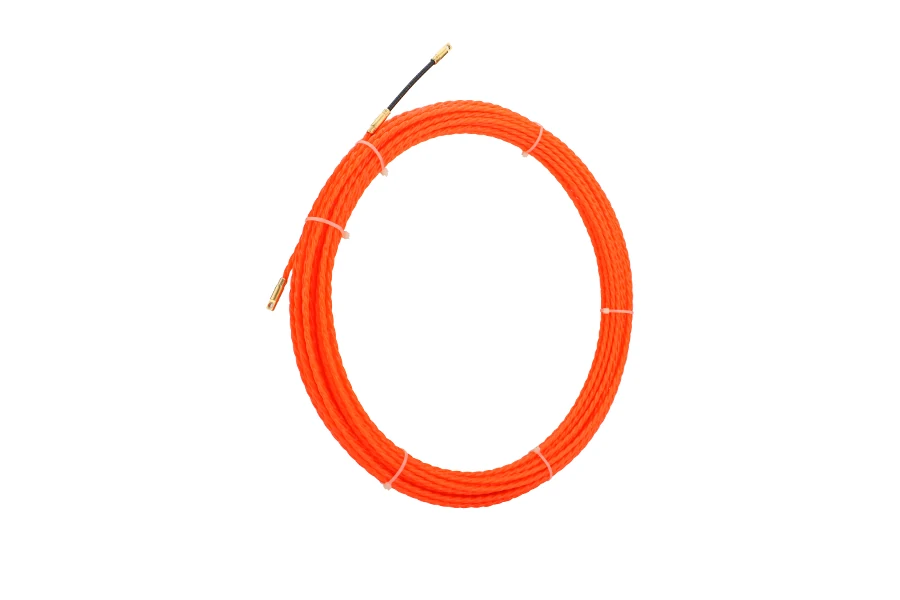
| Nylon cable puller | Nylon tape is flexible and handles bends well, but cannot push through long straight runs. Fiberglass rod is rigid and ideal for pushing through straight conduit. |
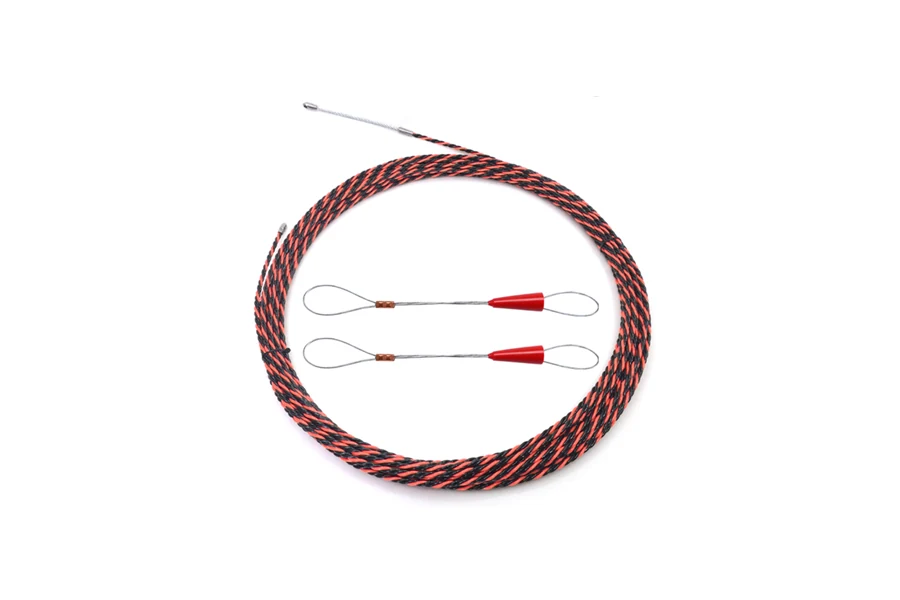
| Spiral spring cable puller | A spring head is designed for retrieval and hooking. This rod is designed for pushing through conduit and guiding cable in, not for pulling back |
Use Guide
- Insert the rod into the conduit from the entry point and push it through to the exit
- Use the handle to maintain control and apply steady pressure during pushing
- Attach the cable to the hook at the end before pulling it back through the conduit
- Do not force the rod through tight bends; use a flexible tape instead for curved runs
- Store the rod in a dry place to prevent damage to the handle and hook
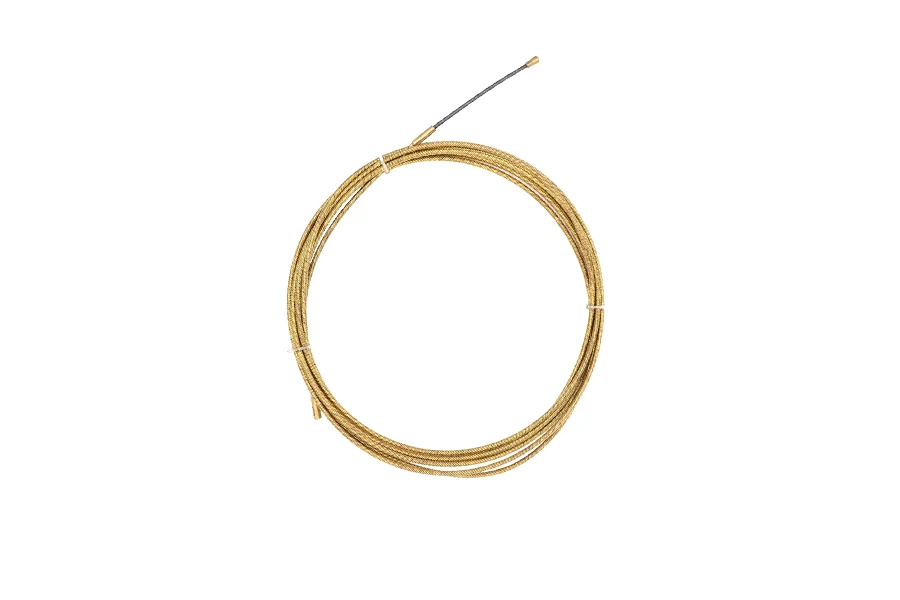
Fiberglass Cable Puller Fish Tape FAQ
Is this fiberglass rod safe to use in ducts that already have live cable?
Yes. The fiberglass body is non-conductive, which makes it suitable for use in occupied ducts where steel would pose a risk.
What lengths are available?
The rod is available in 3 m, 5 m, and 10 m lengths. These cover short runs and longer straight conduit installations.
Can we have our own brand printed on it?
Yes. The brand name and logo can be printed on the rod for private-label and OEM buyers. Send us the artwork and we will confirm feasibility.
What comes with the rod?
Each rod includes a handle and a hook at the end for attaching cable. The rod itself is rigid and straight, with no coils or flexible parts.
Get A Quote For Fiberglass Cable Puller Fish Tape
Tell us the quantity, the destination port and whether you need your own brand on it. We will come back with what is workable.