
What A Cutout Fuse Does And How To Specify One
Cutout fuses sit at the service connection where nobody looks until something fails. The material of the body matters as much as the current rating.
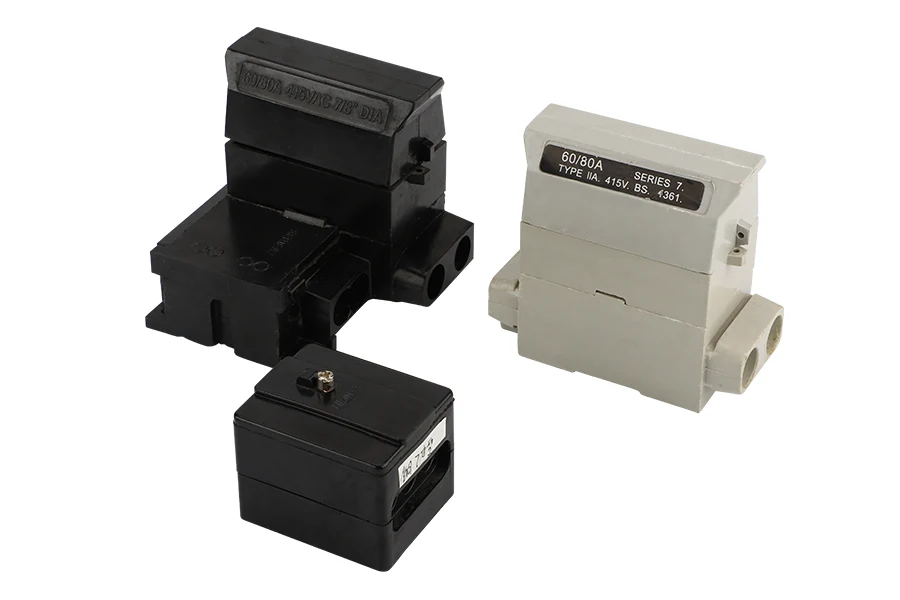
The Body Material Is The Specification
A cutout fuse spends its life outdoors under electrical and mechanical stress. The standard cutouts in this range are made from high grade phenolic or resin moulding powder with high mechanical and dielectric strength, and the body is described as non-hygroscopic and non-tracking. Those two properties are the whole point: a body that absorbs moisture or lets current track across its surface will fail regardless of how well the fuse element is rated.
One Body Across The Current Range Simplifies Stock
The listed cutout uses a common body from 15 A to 100 A. For a distributor, that means the visual product and the mounting stay the same across the range, and stock decisions come down to rating rather than to a family of incompatible parts. For a utility buyer, it means field crews handle a consistent item across a rollout.
Check The Conductor Range Before You Order
Terminals on the listed cutout are suitable for aluminium or copper conductors up to 35 sq mm, and loop in and loop out cabling contacts are available. Conductor compatibility is where a specification quietly fails: a fuse that will not accept the aluminium conductor a network actually uses is not a cheaper option, it is an unusable one. Confirm the conductor material and size on your network before committing to a quantity.
Interlocking And Sealing Are Field Safety Features
Two features on the listed cutout exist because of what happens in service rather than in the lab. All components are inter-locked, and sealing provision is included to avoid unauthorised access. On networks where service connections sit within reach of the public, sealing provision is often the deciding requirement, and a fuse without it will be rejected at specification review no matter how good the rest of the product is.
Where Cutouts Sit In A Wider Order
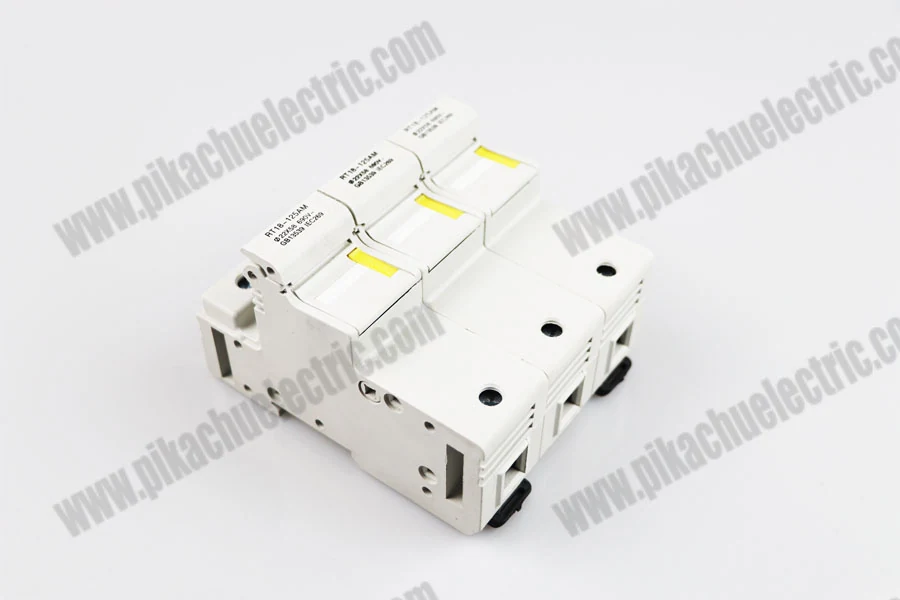
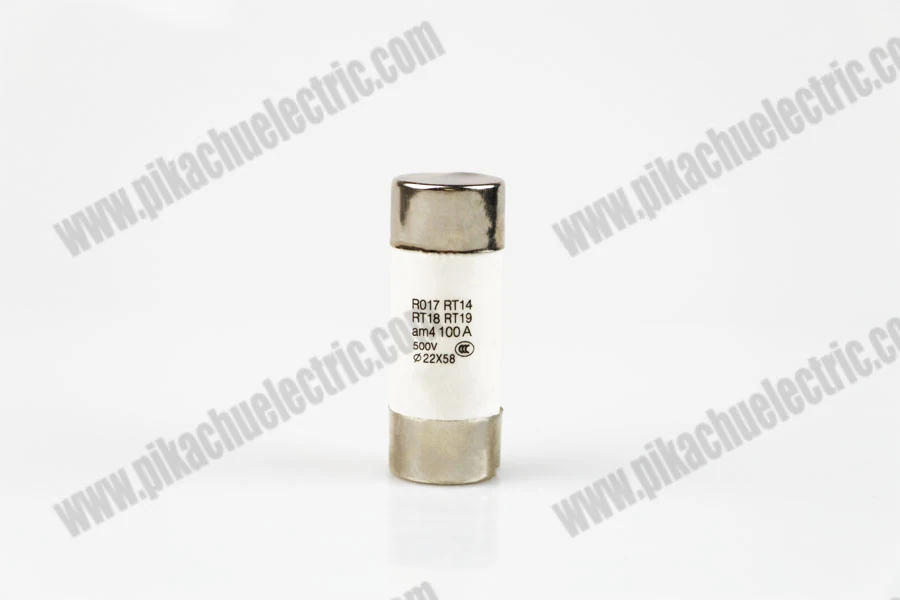
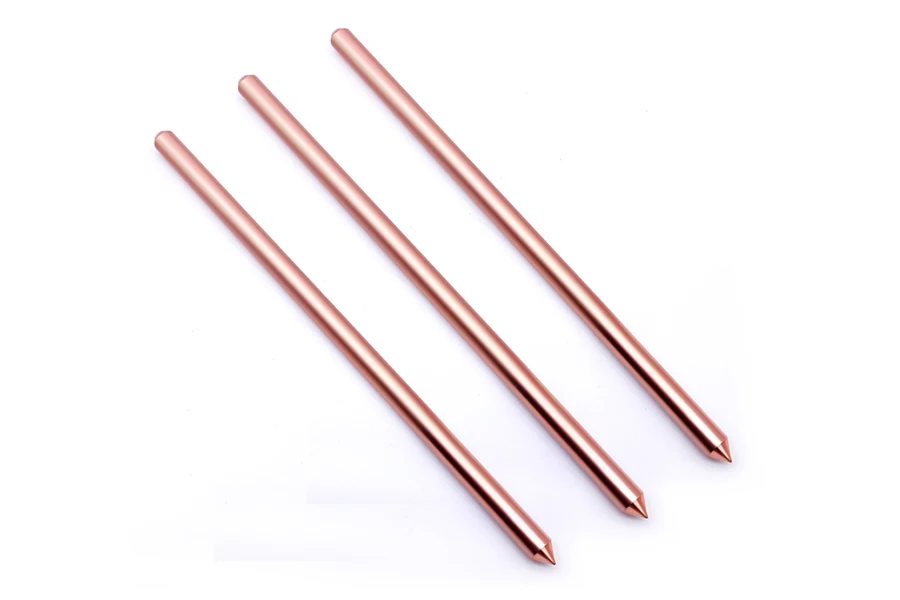
Cutout fuses are rarely ordered alone. They travel with earth rods and earthing clamps, energy meters and change-over switches on the same utility or distributor order. Consolidating them onto one shipment is usually what makes a smaller quantity of any one item viable.
Related Pages
Power Distribution And Utilities
Utility and network buyers order protection and metering hardware in volume against a written specification. This range covers the low-voltage end of that list.
Specification And Selection Support
Half the questions we get before an order are not commercial, they are technical: which tape, which way count, which busbar pitch. Getting that right before the order is cheaper than getting it right after.
Questions On This Topic
What current range does the body cover?
The listed standard cutout uses a common body from 15 A to 100 A.
What conductors do the terminals accept?
Aluminium or copper conductors up to 35 sq mm, with loop in and loop out cabling contacts available.
What is the body made of?
High grade phenolic or resin moulding powder, described as having high mechanical and dielectric strength and as non-hygroscopic and non-tracking, with electrolytic copper and phosphor bronze back-up compression springs.
Want This Applied To Your Own Range
Tell us what you sell and where, and we will say which of these choices actually matters for you.