
Home Decoration
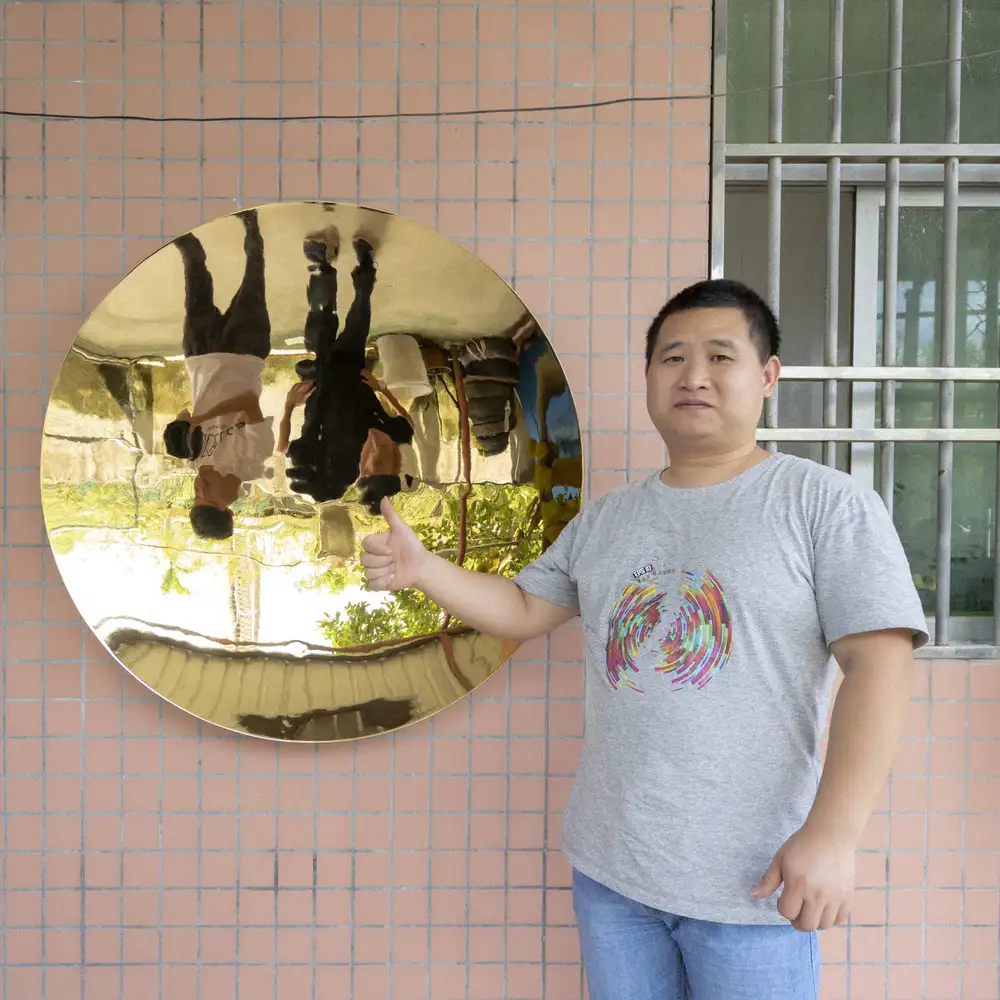
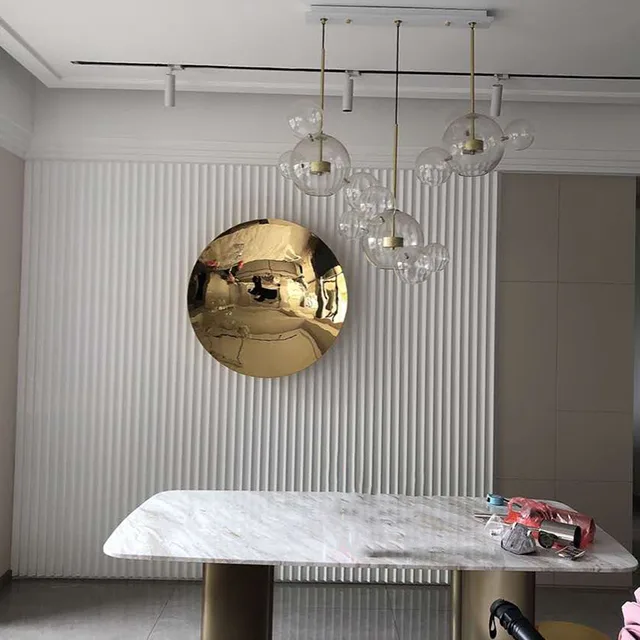
gold Concave Mirror Sculpture at the Metropolitan Museum of Art–Electroplated concave mirror
A concave mirror sculpture is a sculptural object designed to reflect and distort the space around it, creating a dynamic visual effect that changes with the viewer’s position. This piece is an electroplated stainless steel concave mirror, made for indoor museum settings where it functions as a focal point in a gallery or exhibition space. The body is constructed from 304 or 316 stainless steel, with a thickness between 1.0 and 3.0 mm, and the surface is either left in its original metal finish or custom coloured. The listed production time is 15 to 30 days after deposit, and the piece is made to any size on request.
| Material | Stainless steel 304/316 |
|---|---|
| Thickness | 1.0 - 3.0 mm |
| Surface | Stainless steel original color or custom any color |
| Production Time | 15 - 30 days after deposit |
| Size | Any size |
Dimensions and materials outside this table are confirmed against your duty sheet before quotation.
Key Benefits
What This Nozzle Gives You
- The concave shape creates a distorted reflection that draws attention and invites closer inspection
- Electroplating allows for a gold finish or any custom colour, enabling integration with a specific exhibition theme
- 304 or 316 stainless steel provides durability and resistance to tarnish in controlled indoor environments
- Thickness range of 1.0 to 3.0 mm balances structural rigidity with material efficiency
- Made to any size, so it fits precisely within the spatial constraints of a museum gallery
- 15 to 30 days production after deposit allows for tight project scheduling
Application Scenarios
Where It Is Installed
- A museum gallery where a single reflective object must draw focus without competing with other artworks
- An exhibition space with limited wall area but a need for a three-dimensional visual anchor
- A curated display where the sculpture’s reflective surface interacts with lighting and surrounding objects
- A private collection room where the piece serves as a conversation piece with a dramatic visual effect
- A museum installation where the sculpture’s shape is used to frame or distort the view of a specific object
Who It Is For
Buyers Who Specify It
- Museum curators commissioning a reflective sculptural element for a permanent or temporary exhibit
- Art consultants sourcing a custom mirror sculpture with a specific visual effect
- Exhibition designers needing a non-figurative object that alters perception of space
- Private collectors interested in a sculptural mirror with a gold or custom finish
- Architects specifying a reflective surface that enhances lighting or spatial depth in a gallery
Problems It Solves
What It Fixes on the Line
- A gallery wall that lacks a three-dimensional object to break the flatness of the display
- A space where a figurative piece would distract from the main exhibit
- A need for a reflective surface that does not require frequent maintenance or re-coating
- A project that requires a custom-sized mirror sculpture but has no standard dimensions available
- An installation where the visual impact depends on distortion rather than clarity of reflection
Technical Features
How It Is Built
- Hollow concave form shaped from stainless steel plate, formed to a curved mould
- Material thickness between 1.0 and 3.0 mm, selected based on size and structural need
- Electroplated surface for gold or custom colour, applied after shaping and polishing
- 304 or 316 stainless steel body, chosen for indoor durability and resistance to tarnish
- Custom size as standard, with no fixed dimensions listed
- Production time of 15 to 30 days after deposit, depending on complexity
Materials
Body Materials and Where Each One Suits
- 304 stainless steel for general indoor use with stable conditions
- 316 stainless steel for environments with higher humidity or chemical exposure
- Electroplating for gold finish or any custom colour, applied after shaping
- Original stainless steel finish for a metallic, reflective surface without added coating
- Thickness range of 1.0 to 3.0 mm to support large or complex concave forms
Manufacturing Process
How the Part Is Made
- Scheme design based on the intended museum space and visual effect
- Model or mock-up created to test the curvature and reflection properties
- Stainless steel plate formed over a mould to achieve the concave shape
- Welding and shaping completed, followed by polishing to prepare the surface
- Electroplating applied for gold or custom colour, or surface left in original metal
- Final inspection and packing for delivery to the museum site
Quality Control
What Is Checked Before It Ships
- The company states it runs its own professional QC team
- Surface is polished before electroplating to ensure even coating and no imperfections
- Electroplating thickness and adhesion tested to prevent flaking
- Concave shape verified against design dimensions to ensure correct curvature
- Packing protects the reflective surface during transit, especially for electroplated finishes
Customization
What Can Be Changed to Suit You
- Any size to specification, with no standard dimensions listed
- Surface finish available in original stainless steel or custom colour via electroplating
- Material choice between 304 or 316 stainless steel based on environmental conditions
- Ordered from a photograph or a drawing supplied by the customer
- Base or mounting detail designed to suit the museum installation space
Comparison
How It Compares With the Alternatives
| A flat mirror panel | A flat mirror reflects clearly but does not alter the viewer’s perception; a concave form distorts and draws attention through visual change |
|---|---|
| A mirror polished sphere | A sphere reflects the environment uniformly from all angles; a concave mirror focuses and distorts, creating a dramatic effect at close range |
| A painted steel sculpture | Painted steel requires maintenance and may chip; electroplated stainless holds its finish and resists wear in indoor settings |
| A glass concave mirror | Glass is fragile and not suitable for large-scale or public installations; stainless steel is durable and safe for museum use |
Use Guide
Fitting and Running It
- Select the size based on the gallery’s spatial dimensions and viewing distance
- Position the sculpture where its distorted reflection interacts with key objects or lighting
- Use 316 stainless steel if the museum has high humidity or uses cleaning chemicals
- Avoid abrasive cleaners on the electroplated surface; use soft cloth and water only
- Plan for 15 to 30 days production after deposit, factoring in shipping and installation
- Specify the desired finish—gold or custom colour—early in the design phase
Questions Buyers Ask
gold Concave Mirror Sculpture at the Metropolitan Museum of Art–Electroplated concave mirror Questions
What size is this concave mirror sculpture and can it be made larger?
This piece is made to any size on request. The company states it can produce concave mirrors of any dimension, with no fixed size listed.
Which stainless steel grade will I get?
This sculpture is made in #304 or #316 stainless steel. Choose #316 if the museum environment has high humidity or chemical exposure.
Mirror, gold or custom colour?
The surface can be left in its original stainless steel finish or custom coloured via electroplating. Gold is one option among many.
How long from order to delivery for this sculpture?
The listing states a production time of 15 to 30 days after deposit. This includes shaping, polishing and electroplating.
How is a concave mirror this size packed?
It is packed to protect the surface during transit. The company provides wooden case packing for delivery, which is standard for polished and electroplated finishes.
Can you build one from a picture I have?
Yes. The workshop takes orders according to a photograph or a drawing from the customer. Send the reference image, the desired size, and the intended installation location.
Related Products
Others in the Home Decoration
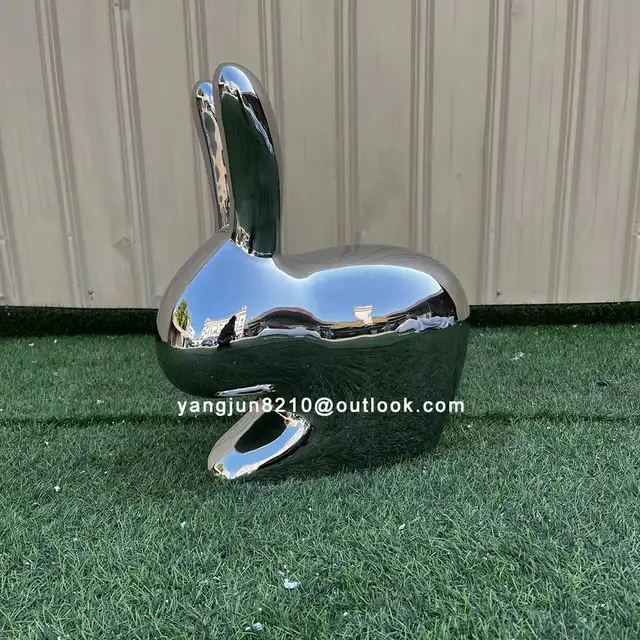
Indoor living room lobby hotel apartment decoration stainless steel rabbit sculpture
View specification
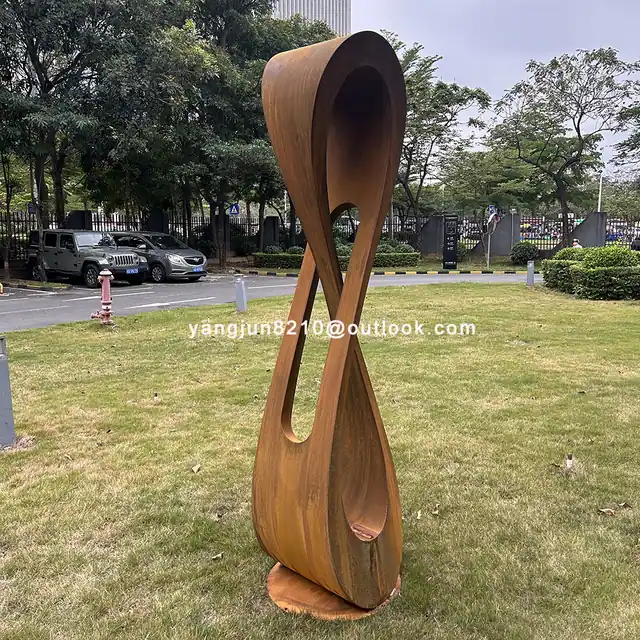
Outdoor square garden courtyard corter steel”8 “sculpture
View specification
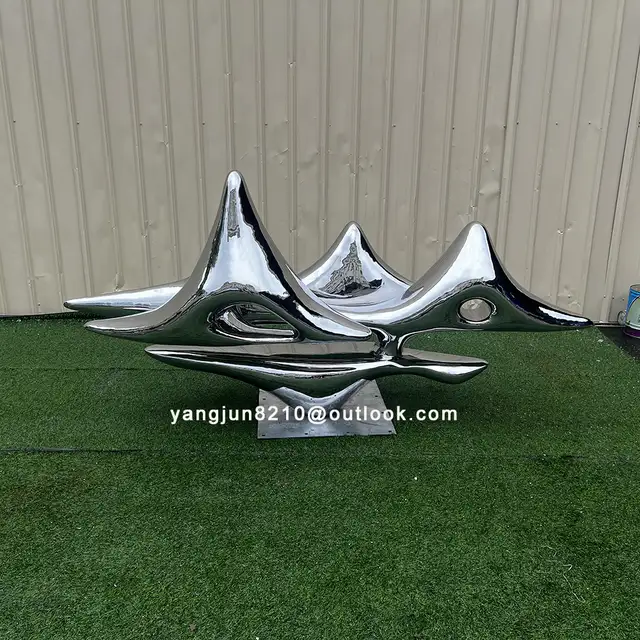
Indoor living room hotel apartment home decoration stainless steel rockery sculpture
View specification
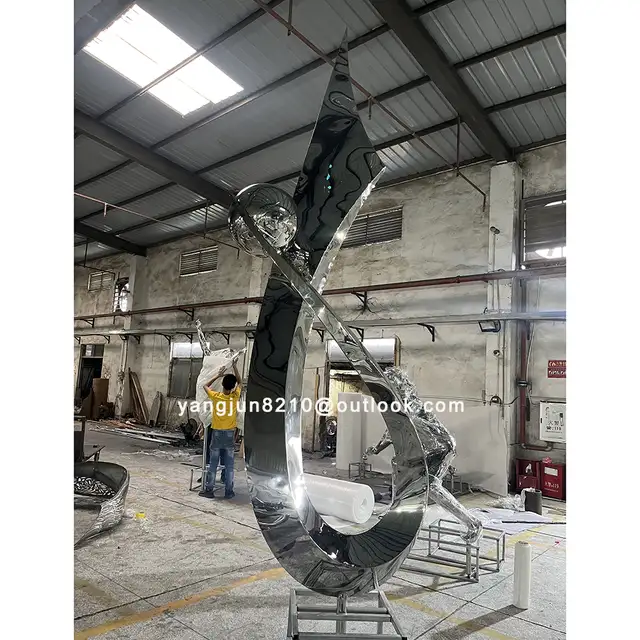
Large outdoor square park courtyard pool decoration art Mark abstract stainless steel sculpture
View specification
Go Deeper
Industries Guides and Ways to Order
Ask About gold Concave Mirror Sculpture at the Metropolitan Museum of Art–Electroplated concave mirror
Send the liquid, the pressure at the nozzle and the thread on your header. Trial samples can be sent free of charge and samples can be ready within 10 days.