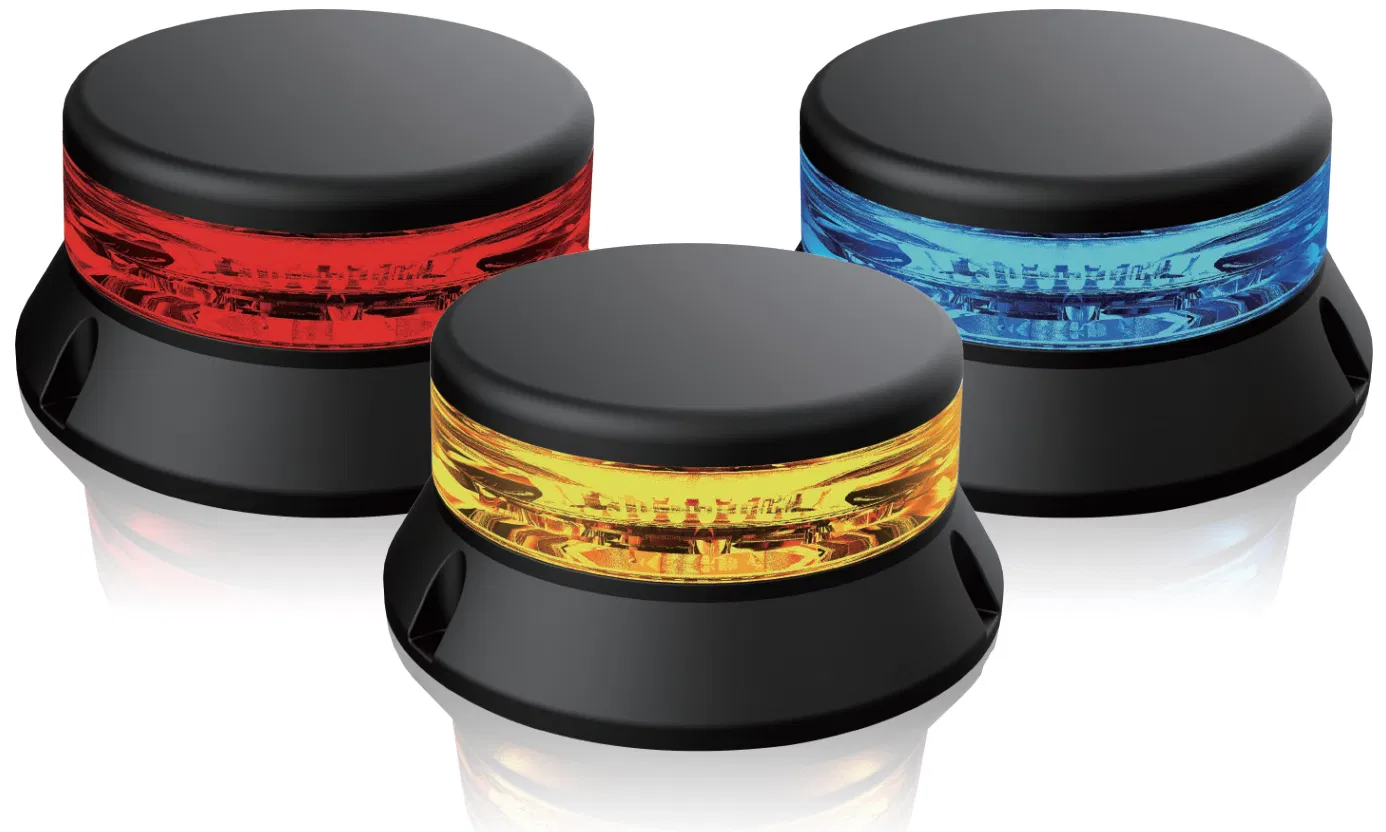
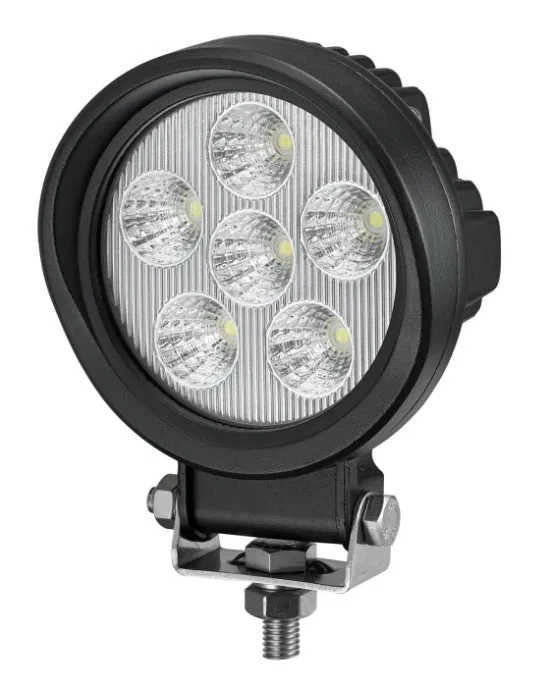
What IP67 Means in Vehicle Lighting
IP67 specifies two levels of protection: first, complete protection against dust (6), ensuring no ingress of dust particles that could interfere with electrical contacts or optics; second, protection against immersion in water up to 1 meter deep for 30 minutes (7). This makes IP67 suitable for lighting installed on forklifts, construction equipment, and roadside assistance vehicles exposed to rain, mud, and washdowns. However, it does not cover continuous submersion, high-pressure jets, or saltwater corrosion. Engineers must verify that the sealing applies to the entire unit, including connectors and mounting points.
Why IP67 Matters for Fleet and OEM Procurement
For fleet managers and OEMs, IP67-rated lighting reduces maintenance downtime and replacement costs. In environments like mining, agriculture, or municipal operations, lights are frequently exposed to dust, rain, and cleaning cycles. A failure due to water ingress can lead to safety risks and regulatory non-compliance. By specifying IP67, buyers ensure that the lighting can withstand typical field conditions without degradation in performance or safety.
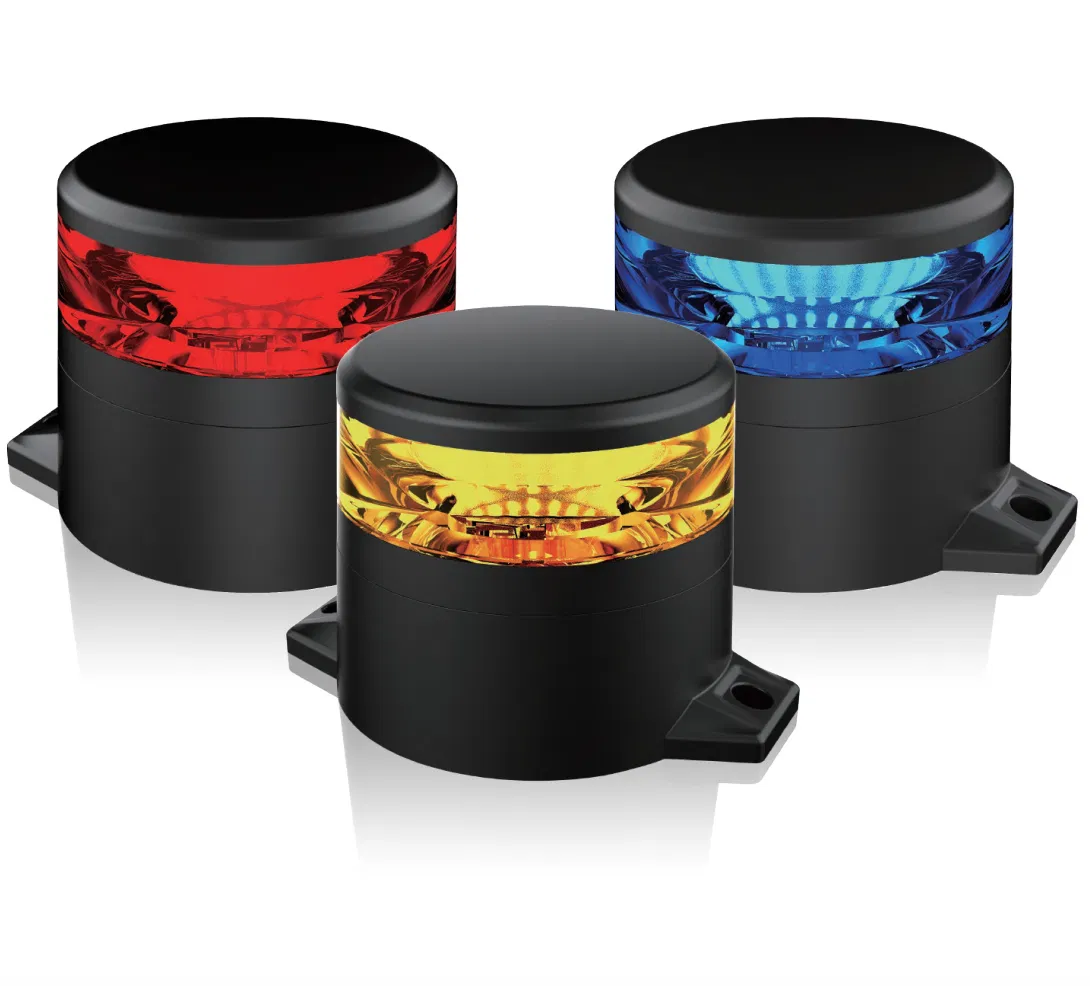
How to Verify IP67 Claims in Product Documentation
When reviewing technical data sheets, look for the IP67 rating explicitly stated alongside the product model. Confirm that the rating applies to the entire unit, including the connector and mounting interface. Avoid models where the rating is only listed for the lens or housing. For Kowin products, the IP67 rating is confirmed in the official product facts for the KOW25, KOW93, and KOWK117 models. Request test reports or certification documents if the claim is not clearly documented.