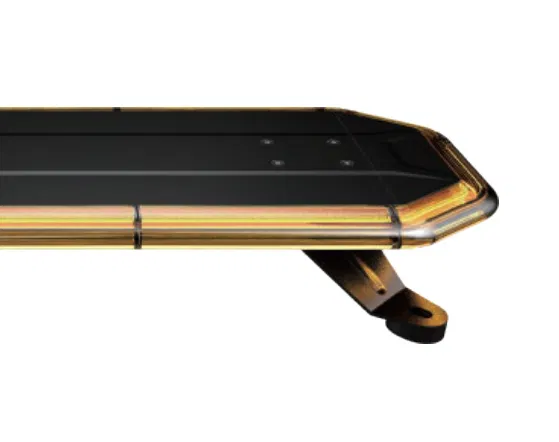
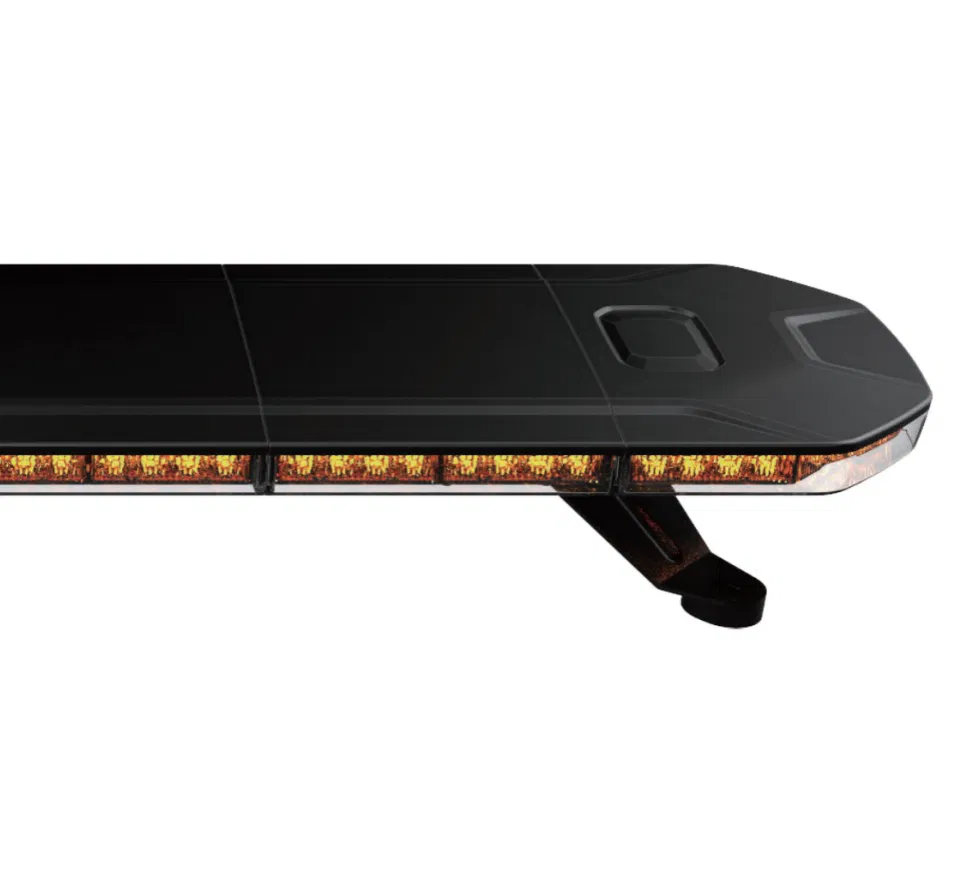
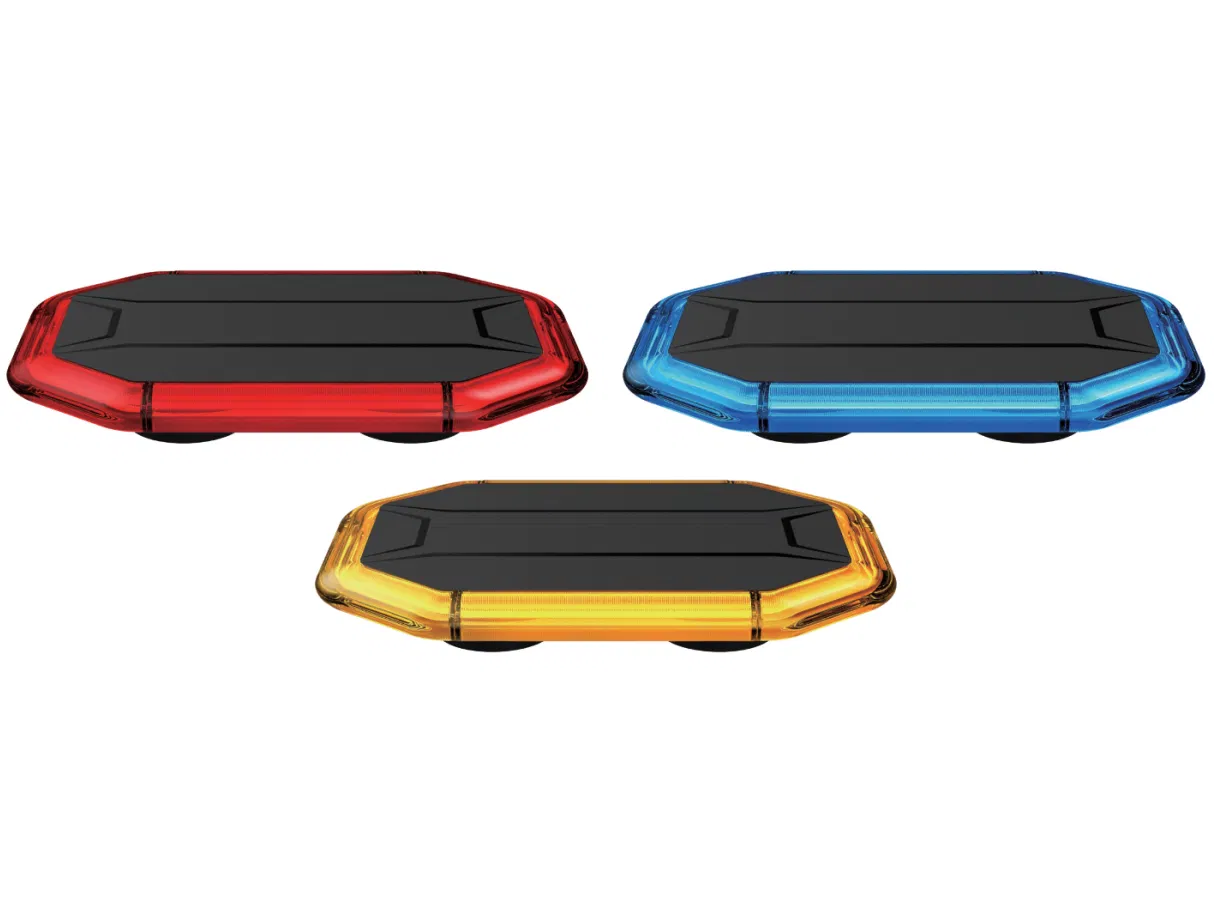
Class 2 Applies to Lower Intensity or Auxiliary Warning Lights
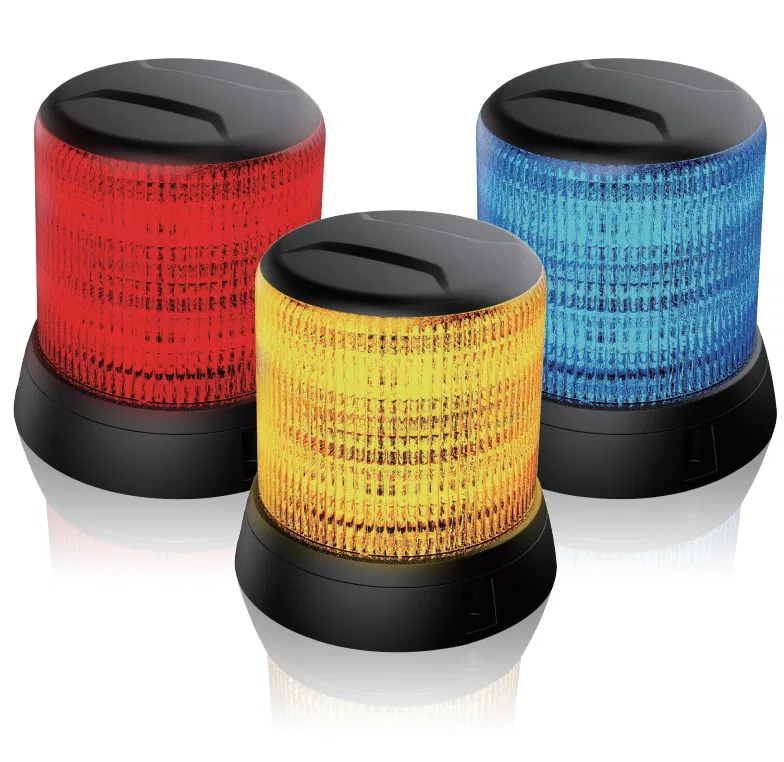
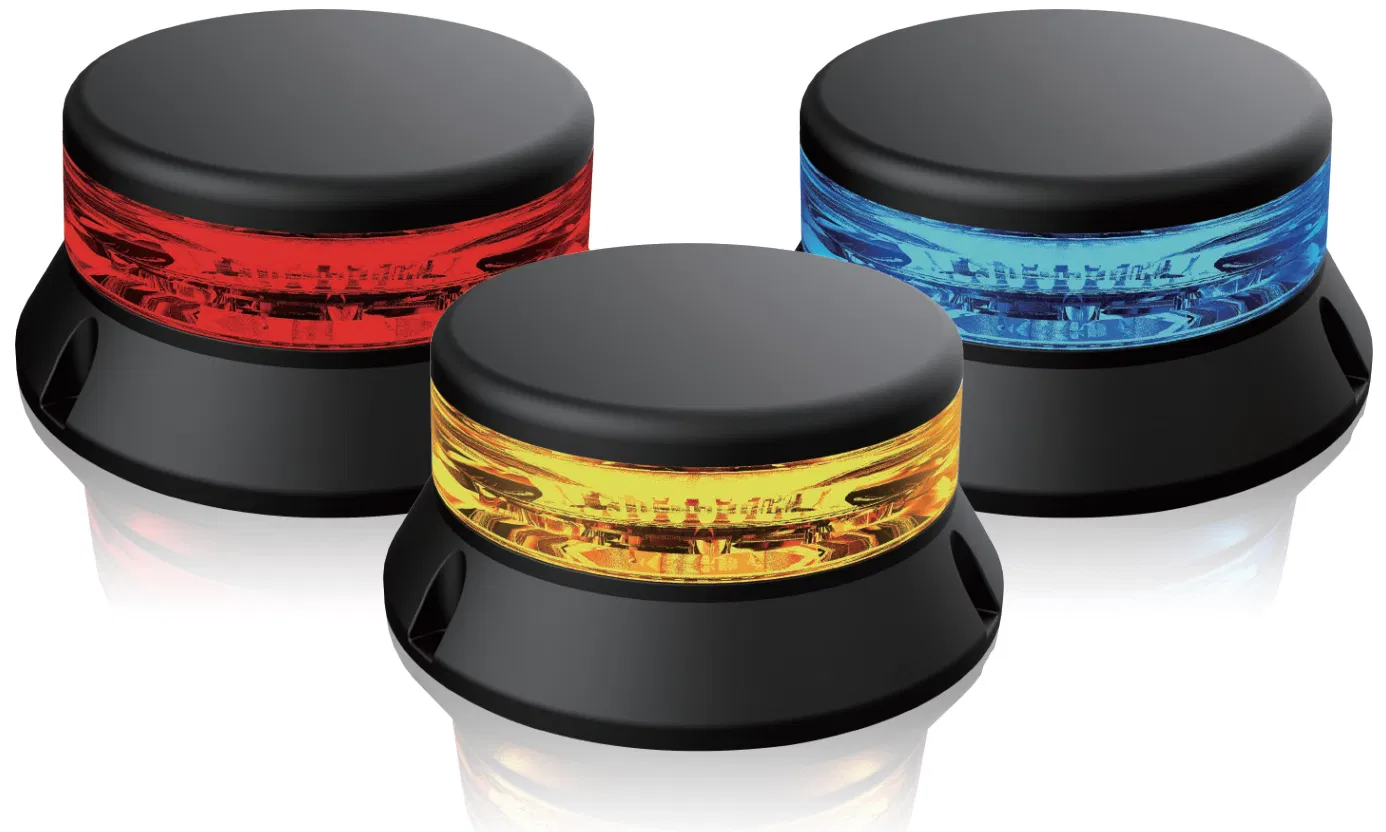
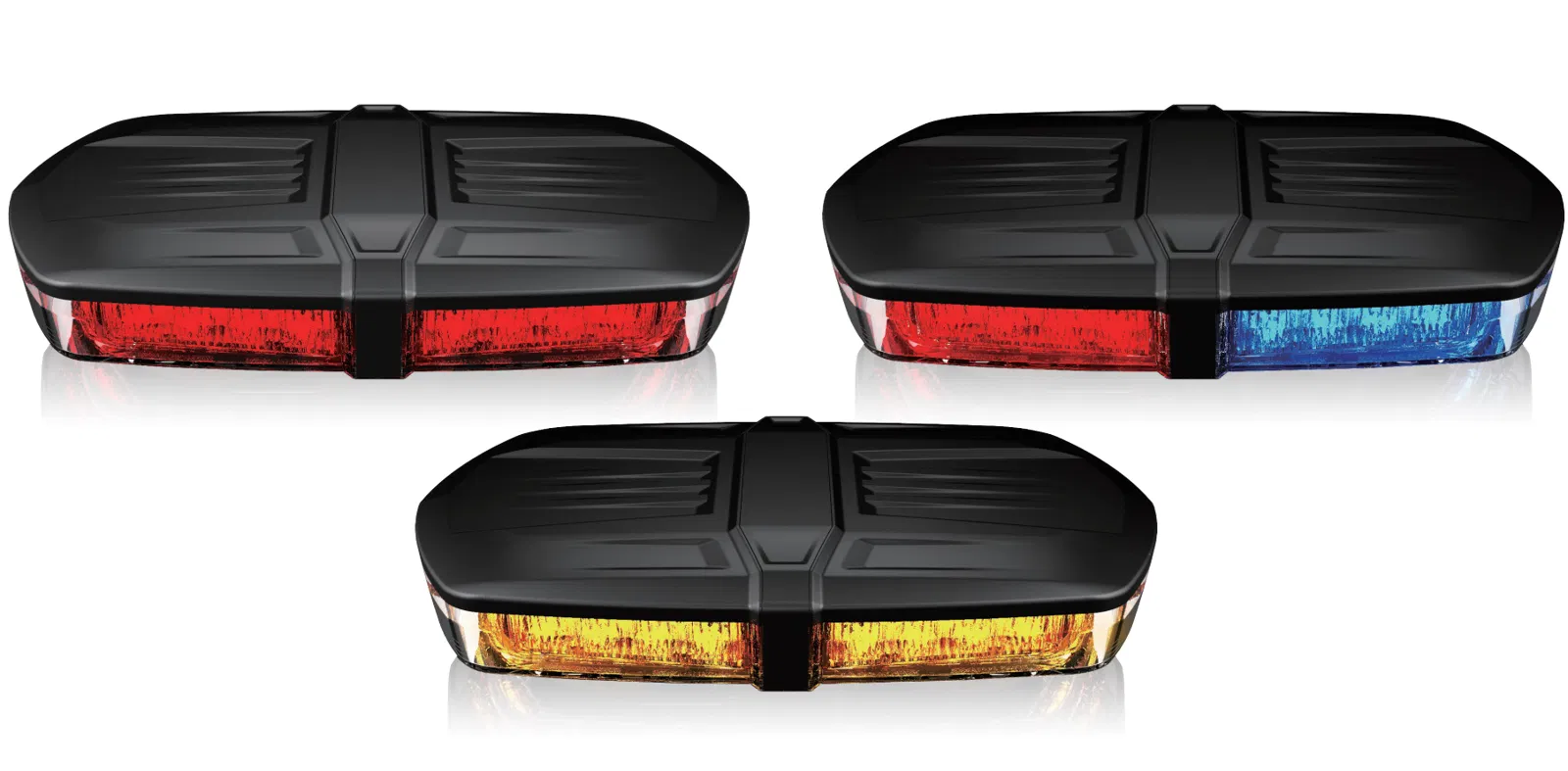
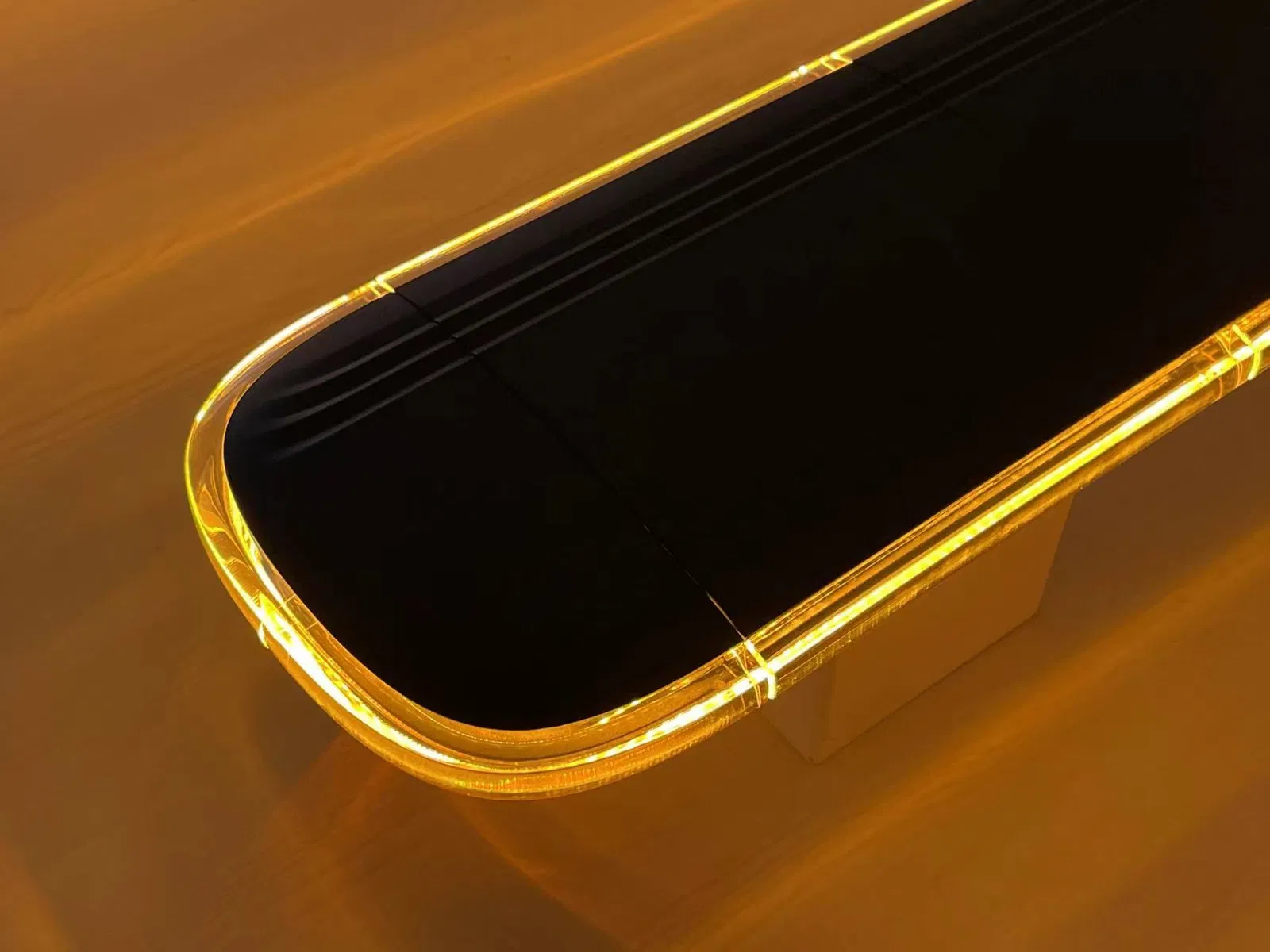
ECE R65 Class 2 is intended for lights with reduced flash intensity or limited mounting positions. It is typically used on non-emergency vehicles such as service trucks, forklifts, and construction equipment. Class 2 lights are not permitted on the front of emergency vehicles in most countries. Kowin models KOW82, KOW31, and KOW92 carry ECE R65 Class 2. These units are designed for auxiliary warning roles, such as indicating vehicle presence during low-speed operations or in industrial zones. The approval ensures electromagnetic compatibility and durability under harsh conditions.
Verify Class on the Product Label and Documentation
The ECE R65 class is always marked on the product label and in the technical datasheet. For Kowin products, Class 1 and Class 2 are explicitly stated in the product facts. Buyers should not assume a model’s class based on appearance or size. For example, KOW94 is Class 1 despite its small size, while KOW31 is Class 2 despite similar dimensions. Always confirm the class before ordering. The approval is not transferable between models. If the class is not listed in the product sheet, the specification is confirmed on request.
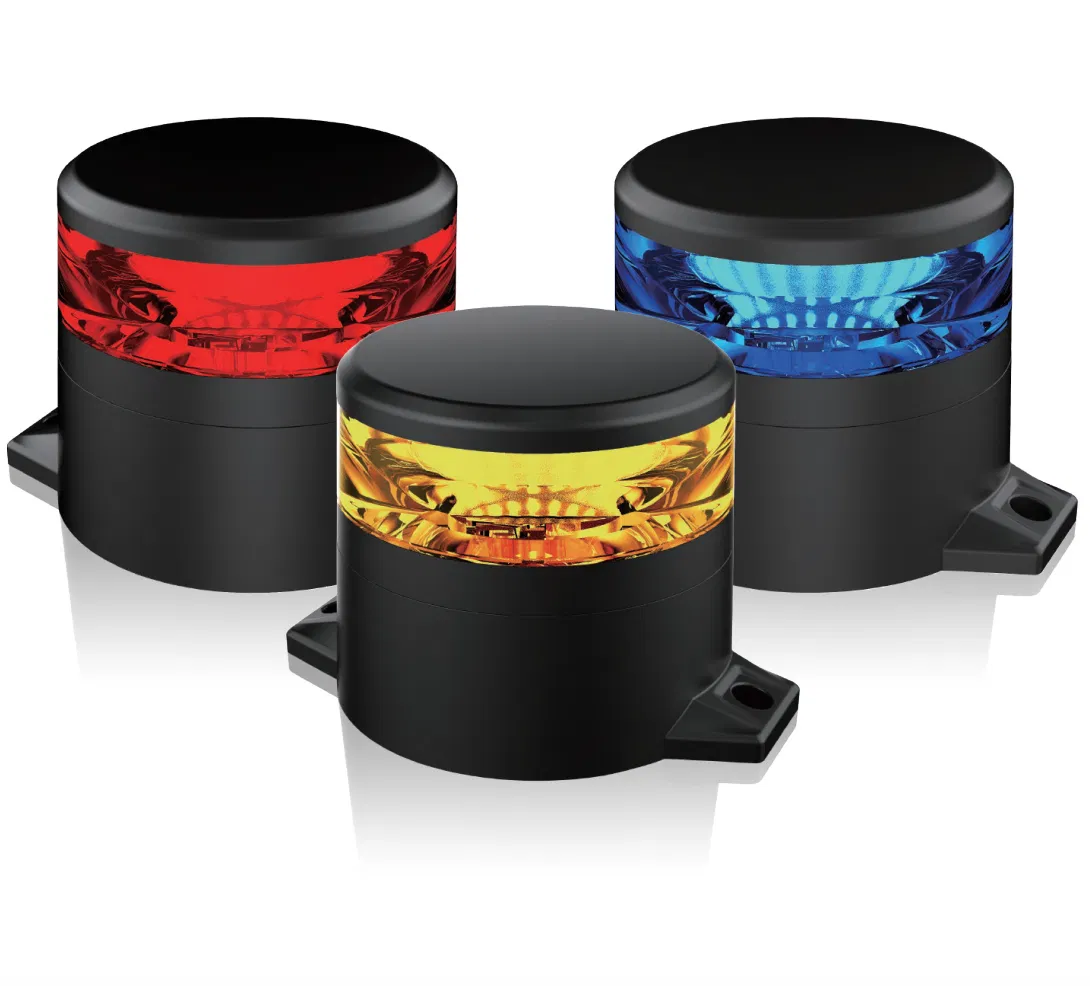
Electrical and Environmental Requirements Are Linked to Class
All Kowin warning lights with ECE R65 approval also meet ECE R10 (electromagnetic compatibility), CISPR 25 Class 3 (EMC), and IP67 (dust and water resistance). These are mandatory for both Class 1 and Class 2. Voltage ranges vary by model: 10-30V or 10-80V. KOW25 and KOW26 operate on 10-30V, while KOW82, KOW93, and KOW94 use 10-80V. The same environmental and electrical standards apply regardless of class. Buyers should verify the voltage range and environmental rating match their vehicle’s system before installation.
Wireless Control and Mounting Options Do Not Affect Class Approval
Wireless control, as offered on KOW801, KOW52, KOW31, and KOW12, does not impact ECE R65 class status. The approval is based on optical performance and electrical safety, not control method. Similarly, mounting style—such as flush, surface, or bracket—does not change the class. However, the mounting location must still comply with national regulations. For example, Class 1 lights may only be mounted in designated positions on emergency vehicles. Buyers must ensure the installation plan aligns with the class and local rules.