What CISPR 25 Class 3 Means for Fleet Integration
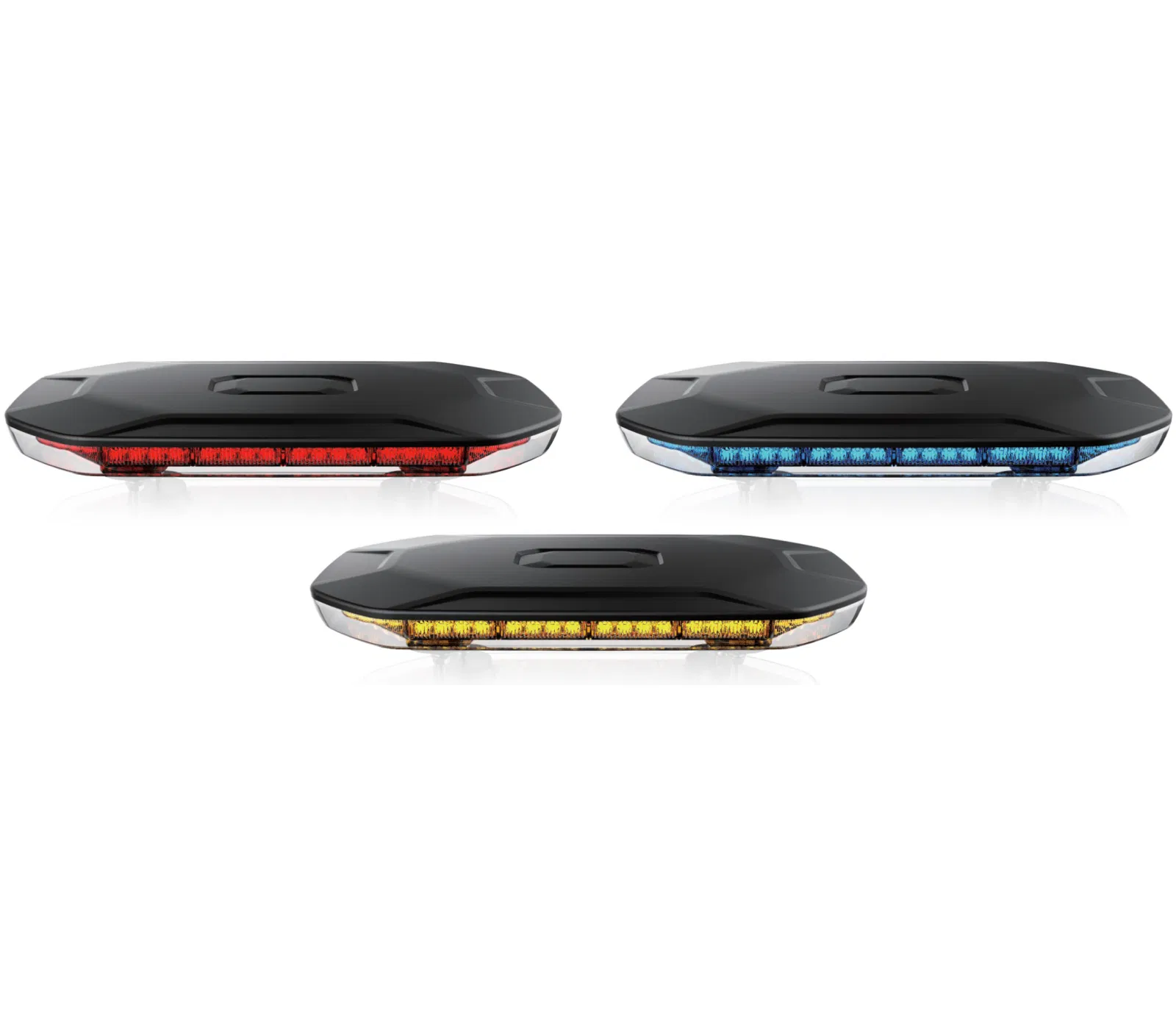
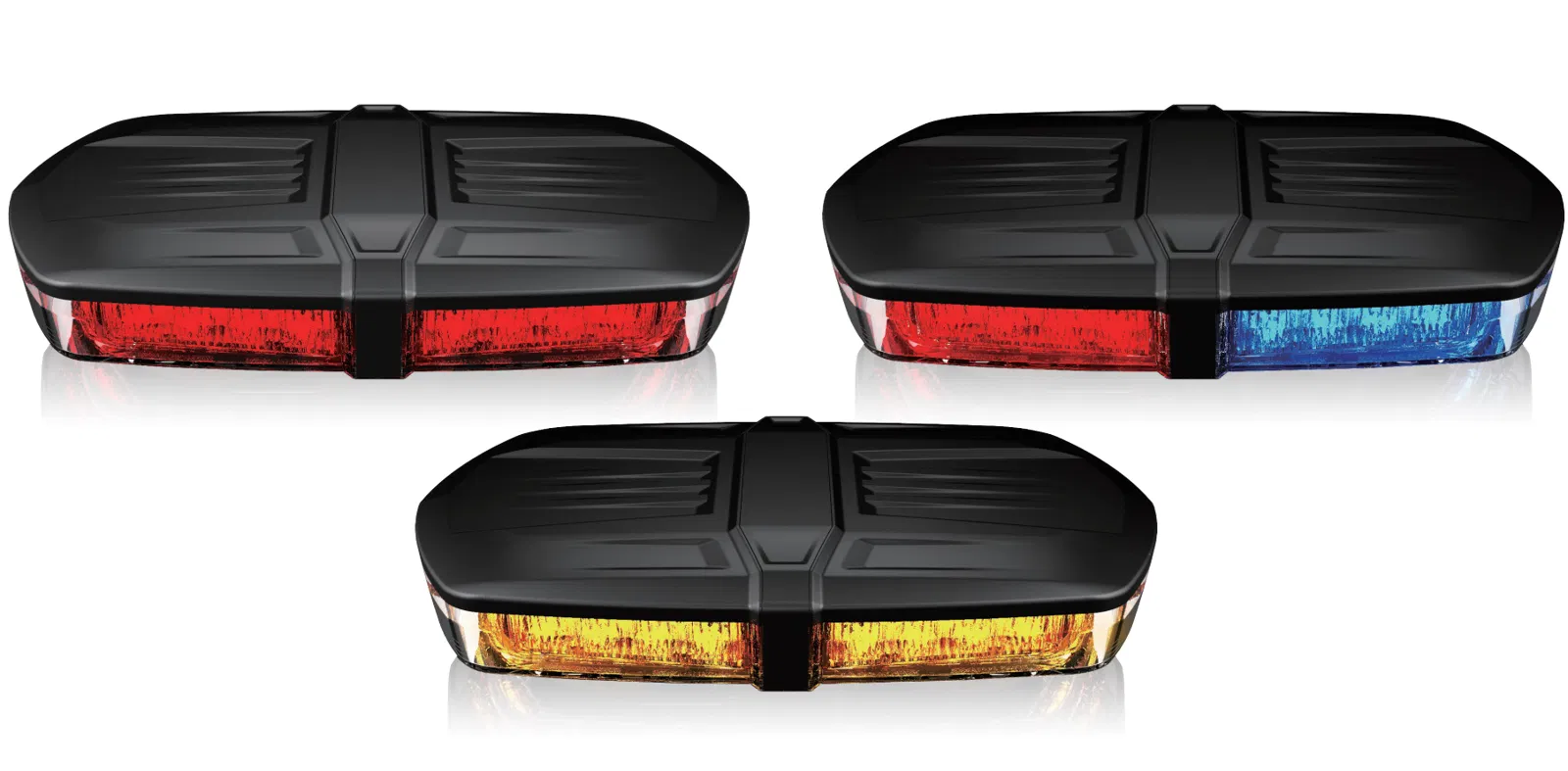
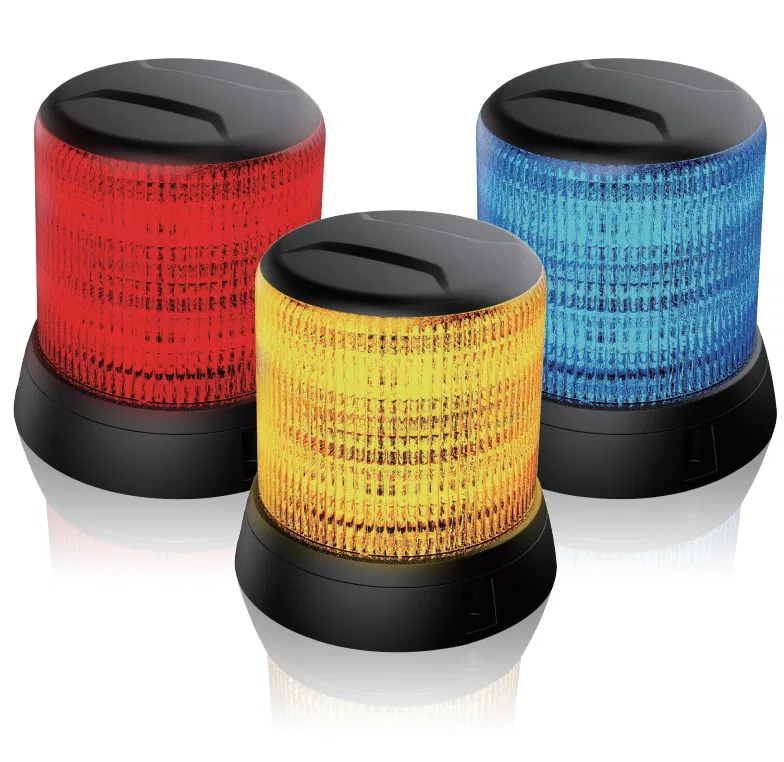
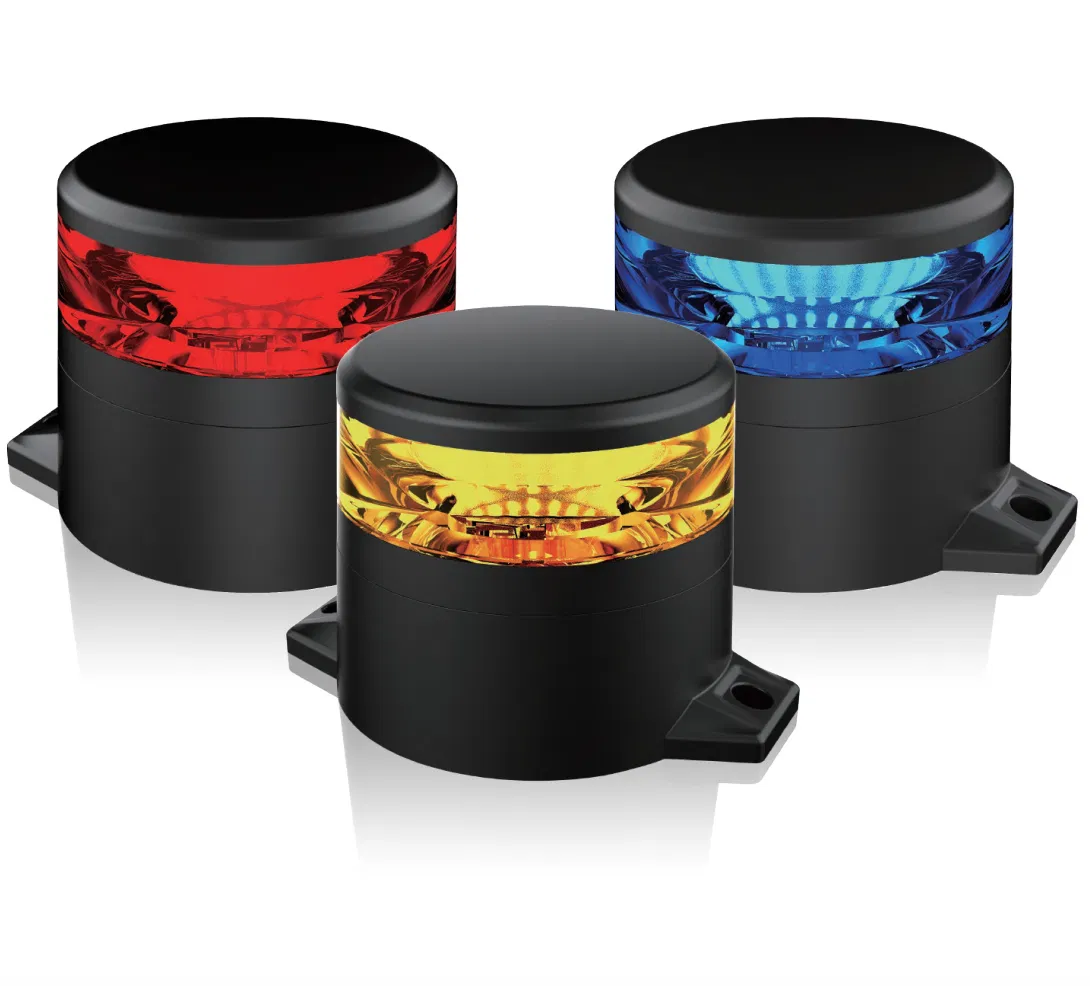
CISPR 25 Class 3 is a vehicle-level electromagnetic compatibility standard that limits conducted and radiated emissions from electronic components. For warning and work lights, this means the driver circuit must not interfere with the vehicle’s radio, GPS, or onboard diagnostics. Lights without this certification can cause signal loss, data corruption, or even trigger false alarms in telematics systems. Kowin’s KOW801, KOW52, KOW91, KOW31, KOW92, KOW94, KOW82, KOW25, and KOW93 series are tested to this level. This is not a marketing claim—it is a measurable test result documented in the product data sheet. When sourcing lights for fleets, verify the CISPR 25 Class 3 mark on the technical document before placing an order.
Why Cheap LED Drivers Cause System Failures
Low-cost LED drivers often lack proper filtering and shielding. When powered on, they generate high-frequency noise that travels through the vehicle’s wiring harness. This noise can couple into nearby signal lines, disrupting communication between the ECU, radio, and GPS. In emergency vehicles, this can lead to lost radio contact during critical operations. In utility fleets, it may cause telematics data to be lost or corrupted. Kowin’s certified lights use drivers designed to suppress electromagnetic emissions. The CISPR 25 Class 3 mark confirms that the light has passed emissions testing at 30 MHz to 1080 MHz, the range where most vehicle electronics operate.