
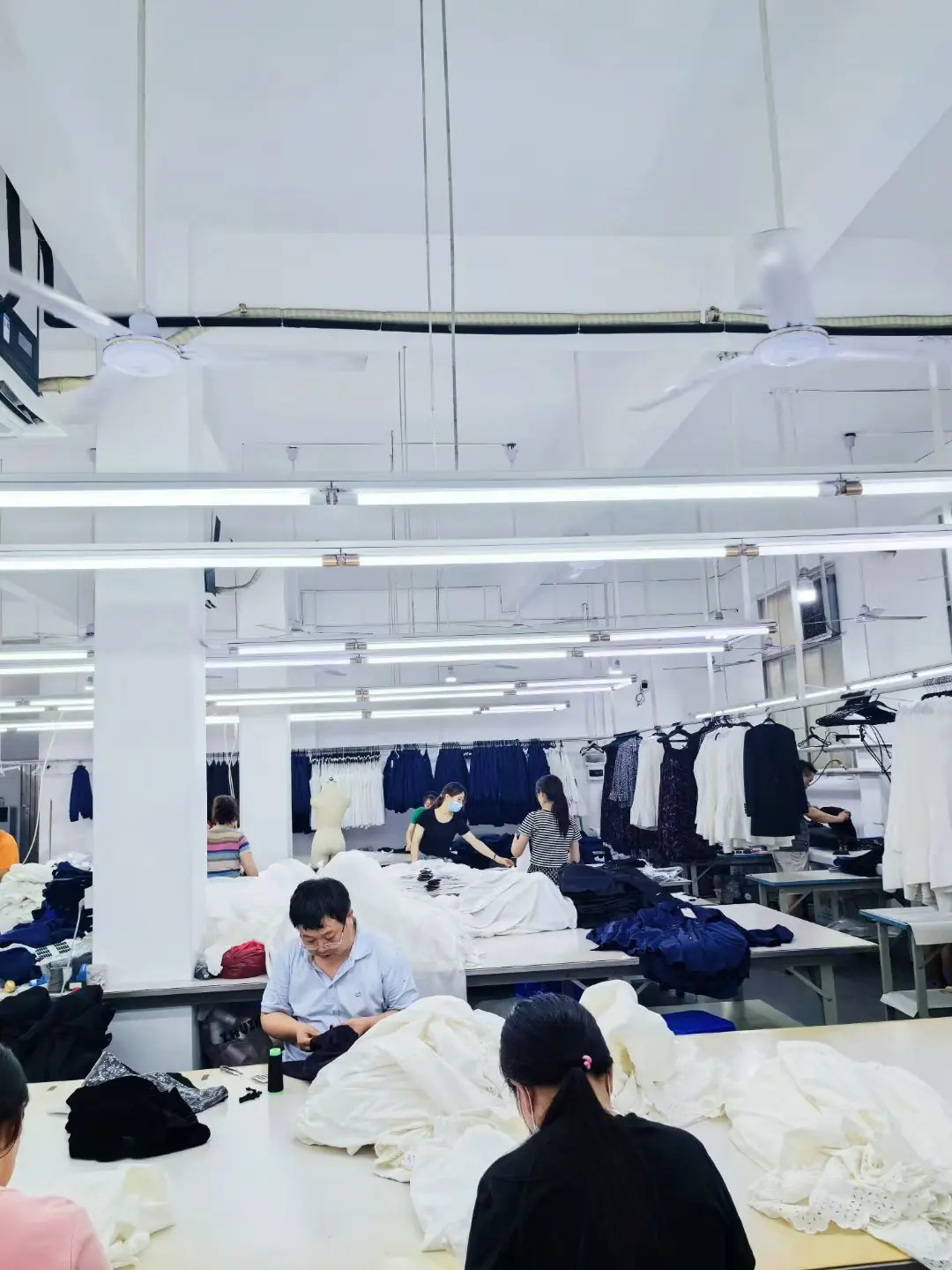
Fabric inspection comes first
When a bulk order is placed, a small piece of fabric and trims from the confirmed sample goes with the order sheet to the purchasing team. That cutting is the standard the incoming bulk fabric is checked against. A shade problem caught here costs a fabric swap. Caught after sewing it costs the order.
Cut panel inspection
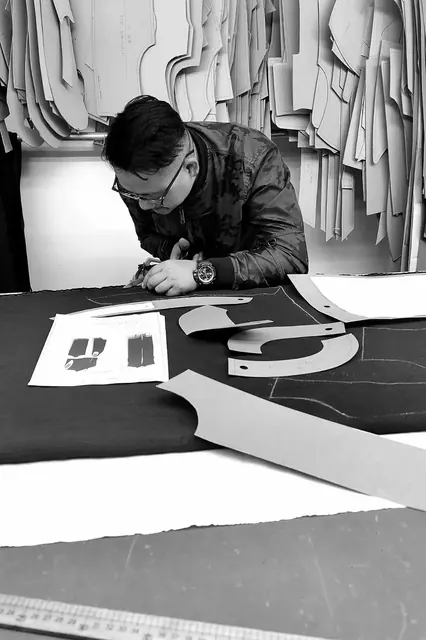
Cut panels are checked before bundles reach the line. Shade blocking, grain and panel shape are all cheaper to fix at this point than at any later one.
In line inspection
Inspectors check pieces randomly during sewing. The point is scale: a fault found in line affects tens of pieces, the same fault found at final inspection affects the whole order.
Final inspection
After sewing, the final inspection team checks bulk against the correct sample made before production. Pieces are mended and issues corrected before anything goes to the packing team.
Why it matters to a brand
A faulty piece that reaches a customer damages the brand's reputation, not the factory's. That is the reason the inspection happens four times rather than once at the end.
Read Next
What MOQ Really Means When You Are Starting a Clothing Line
Why minimum order quantity is counted per design per colour, what that does to a launch budget, and how to structure a first order.
What To Send a Factory When You Have No Tech Pack
The minimum information a clothing factory needs to quote and sample, and what happens to your timeline when it is missing.
How Apparel Sampling Works From Sketch To Approved Piece
The full sampling sequence, what a PP sample is for, and why the approved sample matters more than the tech pack.
Quick Answers
What is your defect rate
We inspect each item rigorously and state a 0.2% defect rate.
Can I send a third party inspector
Yes. Third party inspection can be arranged before shipment.
Ask About Your Own Project
General guidance only goes so far. Send your fabric, quantity and timeline and we will answer specifically.