

Buying Guide
Choosing the Right Air Conditioning Compressor
Pulley type, groove count, refrigerant, connector and displacement — the details that decide whether an A/C compressor will actually fit.
Why the Model Name Is Never Enough
Air conditioning compressors are among the most heavily cross-referenced parts in the aftermarket. One vehicle model can appear with two or three different compressors depending on engine, market and production year, and the differences are often invisible until the part is on the bench.
This is why our compressor listings lead with the reference number and normally show several alternate numbers together.
The Details That Decide Fitment
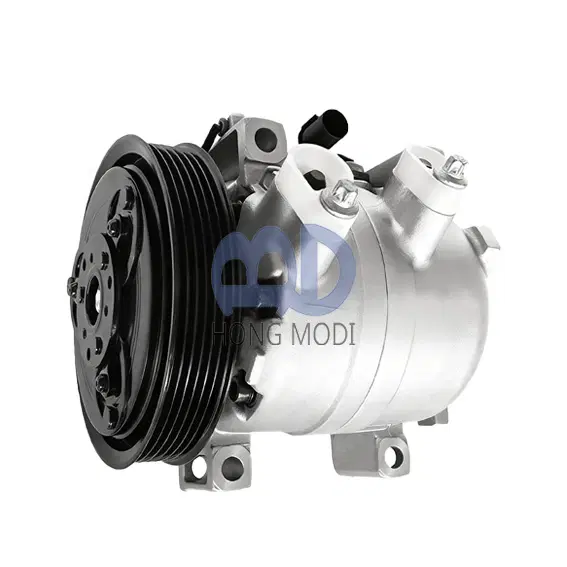
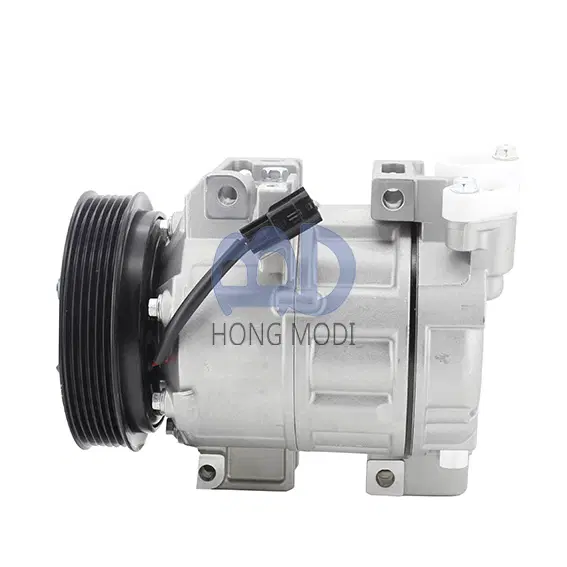
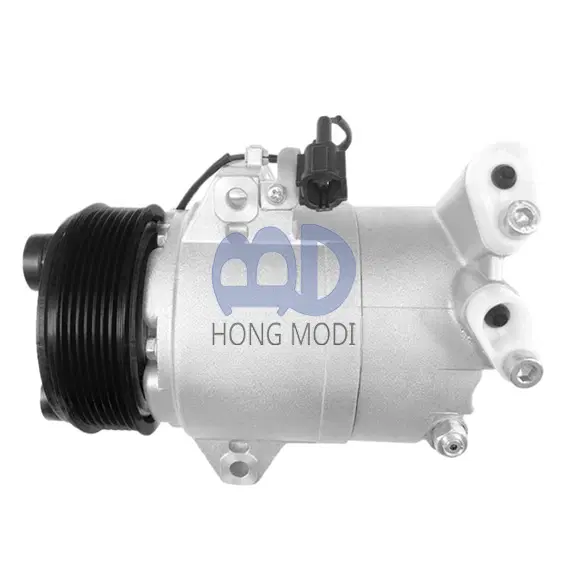
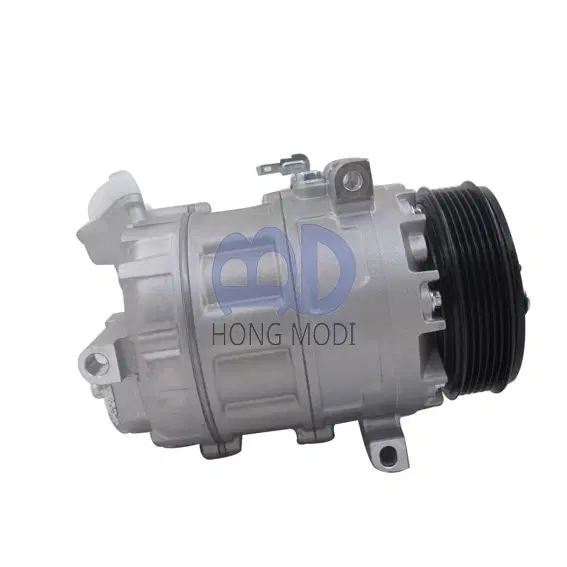
Pulley diameter and groove count. A 6PK and a 7PK pulley are not interchangeable; the belt will not track. Count the grooves on the old pulley and measure the outer diameter.
Clutch or clutchless. Older systems use an electromagnetic clutch. Many modern systems use an externally controlled variable displacement compressor with no clutch and a control valve instead.
Electrical connector. Pin count and connector shape differ between otherwise identical looking units.
Port configuration. The suction and discharge port pattern, thread and O-ring size must match the existing hoses.
Refrigerant and oil. R134a and R1234yf systems use different oils and seals. Using the wrong oil type shortens compressor life dramatically.
Installation Details That Protect the New Compressor
A compressor rarely fails in isolation. When one fails internally it circulates debris through the condenser, the expansion device and the drier. Fitting a new compressor into a contaminated system is the most common cause of a repeat failure.
Standard practice is to flush the system where the manufacturer permits it, replace the receiver drier or accumulator, replace the expansion valve or orifice tube, evacuate properly, and charge with the specified oil quantity and refrigerant weight.
What To Send Us
The compressor reference number from the body label, the pulley groove count, a photograph of the electrical connector and the VIN. That combination resolves almost every compressor enquiry first time.
More Guides
- How To Read an OE Number and Match a Replacement Part
- How an Air Suspension System Works
- Signs an Air Strut or Compressor Is Failing
- Diagnosing Control Arm and Tie Rod Wear
- Ignition Coil Failure and How To Confirm It
- Water Pump and Thermostat Replacement Explained
- How To Buy Replacement Auto Parts From a Chinese Supplier
Related Products
Parts Covered by This Guide
FAQ
Questions About Buying Guide
Can I fit a compressor with a different pulley
Only if the belt path, groove count and diameter match. Otherwise the belt will not run true and will fail quickly.
Do compressors arrive charged with oil
Oil charge varies by reference. Confirm with us for the specific part, and always check the vehicle's specified oil type and quantity before commissioning.
Should I replace the drier at the same time
Yes. Replacing the drier or accumulator with any compressor replacement is standard practice and protects the new unit.
Next Step
Send the Reference and We Will Confirm It
Every enquiry is checked against the catalogue before a price is given.