 AJEGarment Accessories Manufacturer
AJEGarment Accessories Manufacturer
AJEGarment Accessories Manufacturer
Guide
File formats, sizing, colour and the details that cause problems at sample stage — how to send artwork that quotes cleanly first time.
Most delays on a trim order come from artwork, not production. Getting the file right saves a round of samples.
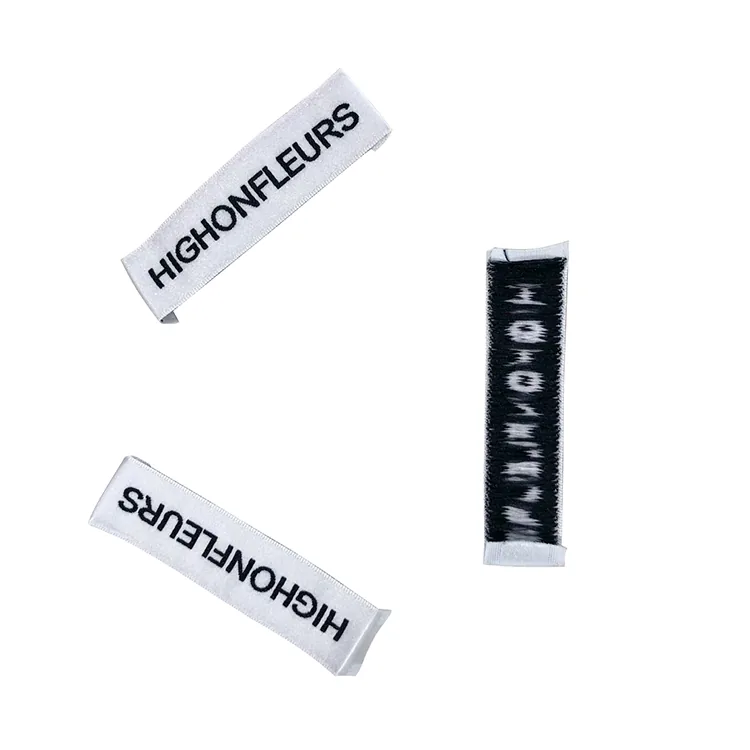
Vector artwork can be scaled to the finished label size without losing edges. A raster file works, but the smaller the label the more a low resolution file will hurt — thin strokes and small type are where it shows first.
Artwork without a finished size cannot be assessed. A logo that reads perfectly on a screen may not hold at 40 mm wide. Give the finished width and height in millimetres and we will tell you what survives.
Give thread or ink colour references rather than a screen colour. Woven thread, embroidery thread and printed ink each reproduce colour differently, so an exact match across all three in one trim set has to be planned rather than assumed.
A label that is folded, a label that is sewn flat and a label that is heat applied are cut and finished differently. Tell us the application and the sewing operation so the cut and fold are right when the trim arrives at the factory.
If you do not have artwork yet, send a clear photograph or post a physical sample. Our design and production technicians will identify the construction and tell you what is achievable before anyone spends money on files.
FAQ
Send your artwork and tell us how the trim will be used — we will recommend the construction and finish.