 AJEGarment Accessories Manufacturer
AJEGarment Accessories Manufacturer
AJEGarment Accessories Manufacturer
Guide
Iron-on, sew-on, adhesive and hook-and-loop backings, plus merrow, laser cut and hot cut edges — what to specify and when.
Two decisions turn an embroidered design into a usable patch: how the edge is finished, and how it attaches.
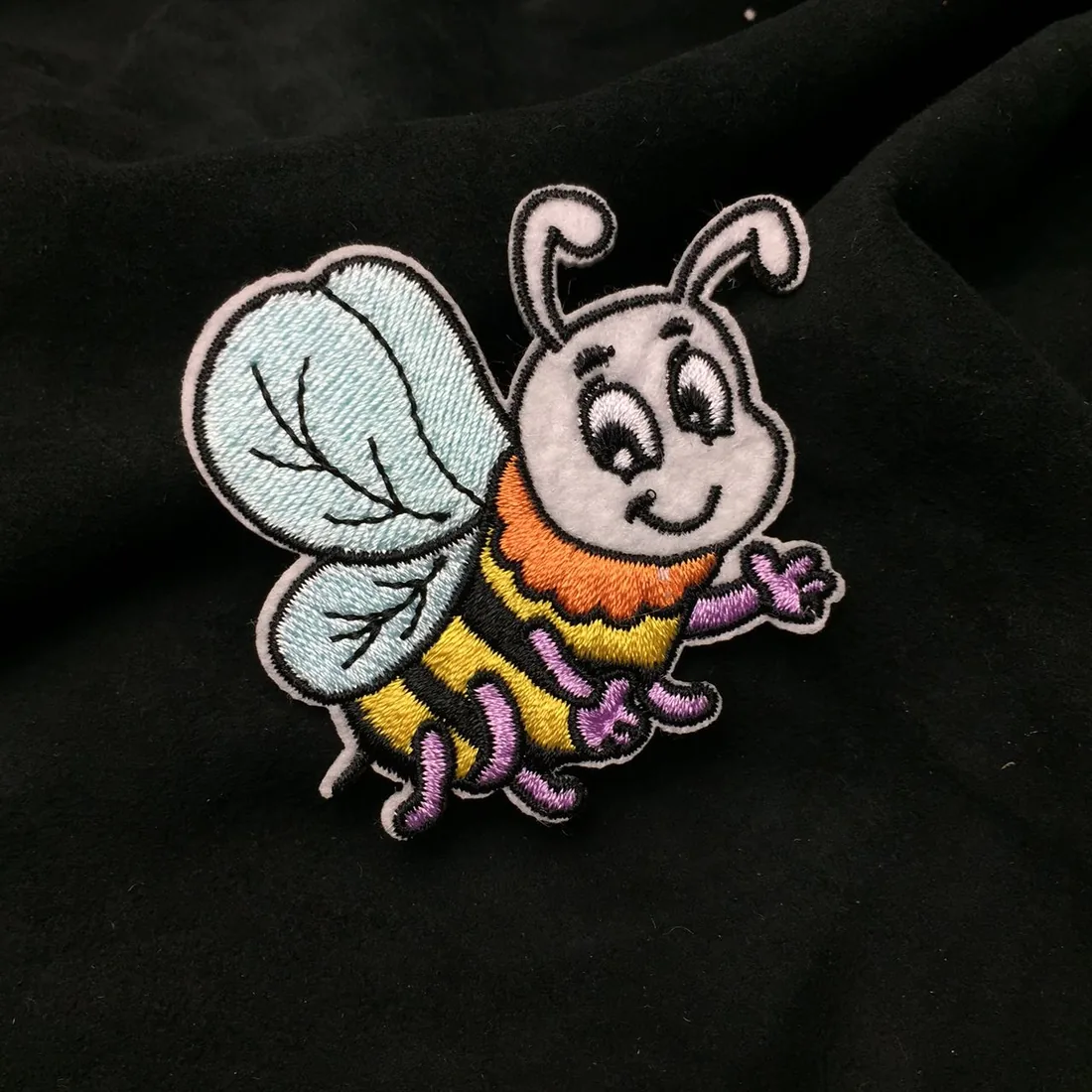
The classic raised overlock edge around a patch. It suits simple shapes — circles, shields, rectangles — and gives the finished look most people picture when they think of a patch. It cannot follow a complex outline.
Cut precisely to the outline of the design, which allows intricate shapes a merrow border cannot follow. The edge is clean and flat, which suits detailed fashion appliqué.
Cut and sealed with heat so the edge does not fray. A practical middle ground: it handles more shape complexity than merrow at a lower cost than laser.
The most durable option and the standard for uniforms, workwear and anything washed frequently. Nothing to fail over time, but it needs a sewing operation.
A heat activated adhesive layer. Fast to apply and suitable for most cottons and blends, but not for heat sensitive or heavily textured fabrics. Check the garment fabric before specifying it.
Peel-and-stick adhesive suits temporary and promotional use. Hook-and-loop is the choice where the patch has to come off and go back on — service uniforms, tactical gear and modular workwear.
Edge finish and backing interact. A laser cut edge on a complex shape with hook-and-loop backing behaves differently from a merrow circle sewn on. Tell us the garment, the fabric and how the patch will live, and we will recommend the pair.
FAQ
Related Products
Send your artwork and tell us how the trim will be used — we will recommend the construction and finish.