
KS1009 Precision Cross-Winding Machine
High-speed single-layer carbon fiber winder for packages up to 300 kg at 0–400 m/min.
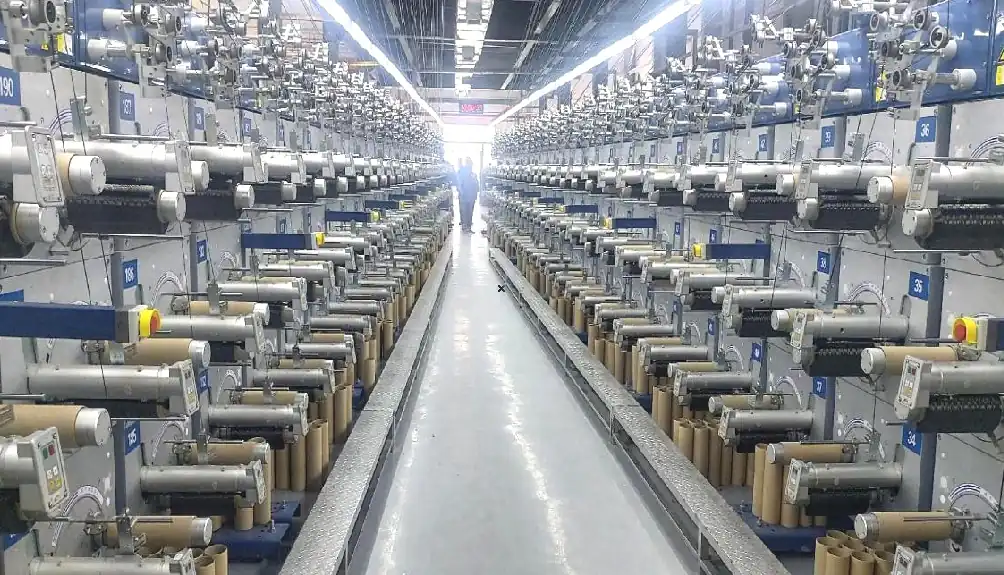
The KS1009 is a single-layer precision cross-winding machine for 3–60K carbon fiber tow, running at 0–400 m/min onto packages of up to 300 kg. It is built around three things that decide package quality at speed: stable pressing force, a balanced spindle and closed-loop tension. Main spindle rotational runout is held within 0.02 mm.
What This Product Does Better
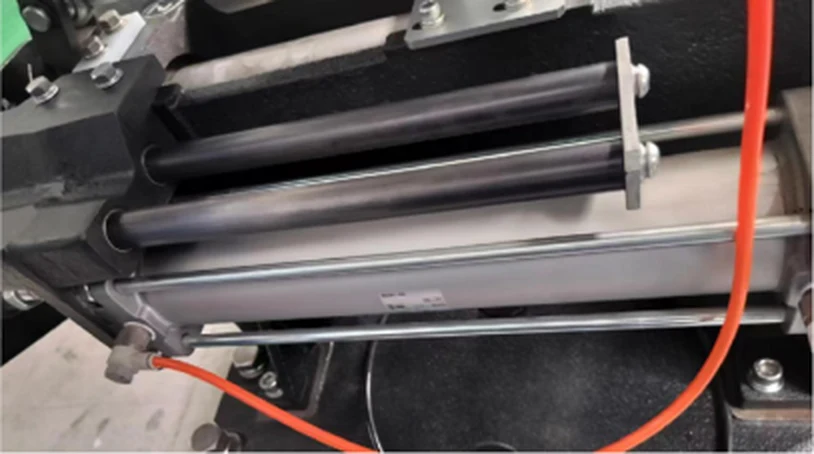
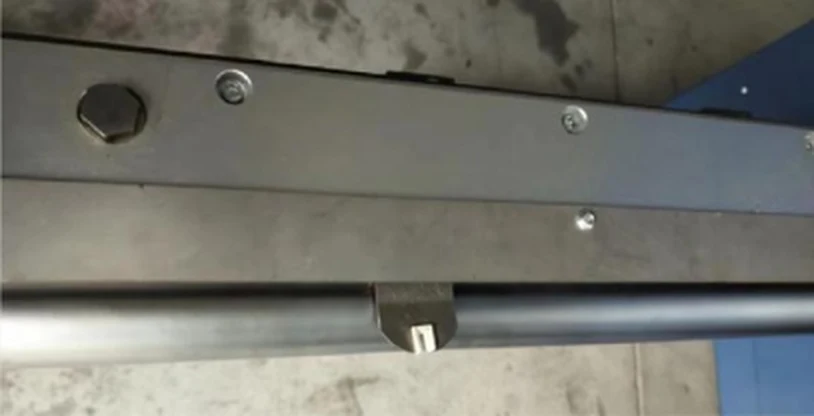
A pneumatic valve single lock reduces press roller bounce and pressure instability, and a linear guide rail mechanism keeps the pressing force reliable through the package build.
Both the traverse drum and main spindle pass dynamic balancing tests, and main spindle rotational runout is within 0.02 mm.
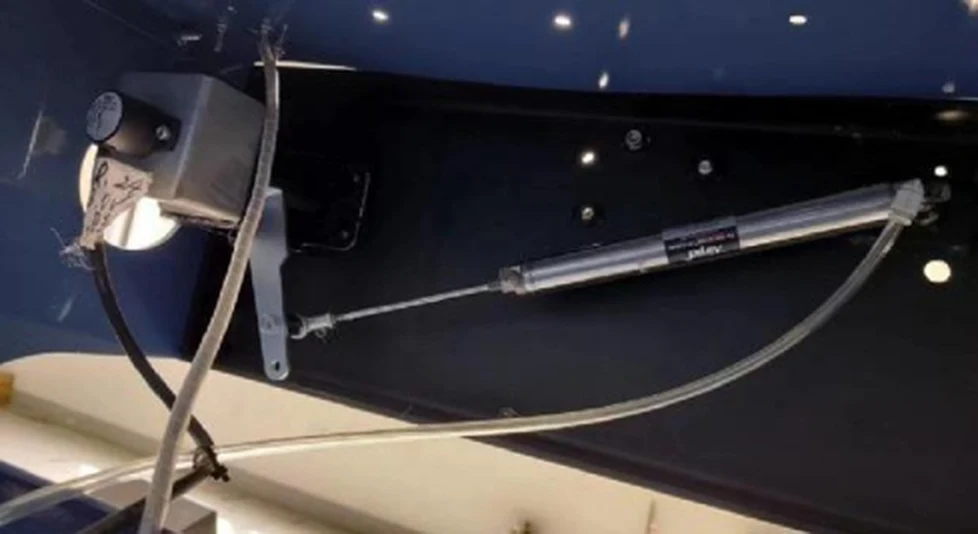
A glass cylinder mechanism gives more stable tension and an angular displacement sensor holds it consistent across the wind.
The yarn guide wheel uses a ceramic-sprayed process for wear resistance and surface finish, and the guide nozzle is a ceramic structure.
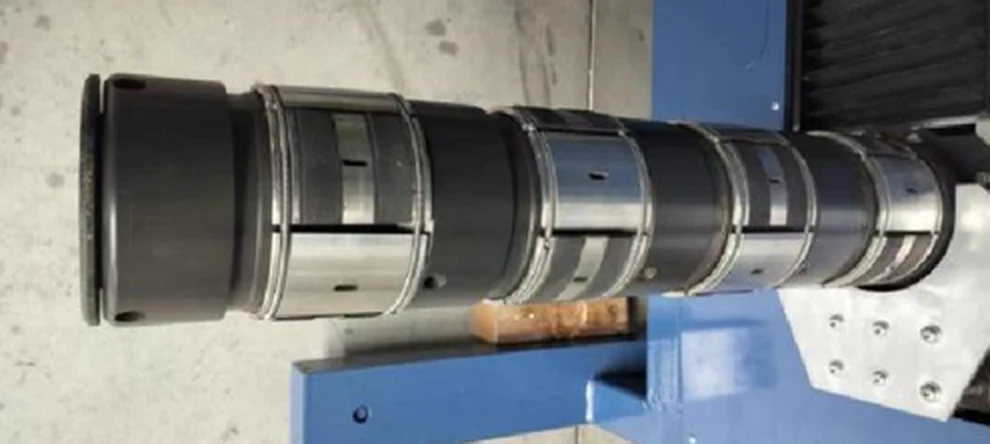
A cylinder push-rod expansion structure plus a rubber expansion block increases friction and effectively prevents tube slippage.
Who Buys This And Why
Carbon fiber producers and converters running production volumes who need large, evenly built packages at speed rather than laboratory-scale precision.
Application Scenarios
- Production winding of carbon fiber tow into large packages
- High-speed rewinding operations
- Supply of large packages to pultrusion and filament winding lines
- Plants standardising on a single large-package format
Technical Features
- Precision cross-winding, single layer frame
- Pneumatic valve single lock on the press roller
- Linear guide rail pressing mechanism
- Cylinder push-rod expansion structure
- Rubber expansion block for anti-slip grip
- Ceramic-sprayed yarn guide wheel
- Ceramic yarn guide nozzle
- Dynamically balanced traverse drum and main spindle
- Glass cylinder tension mechanism with angular displacement sensor
The Failure Modes This Addresses
Pressure instability at speed shows up as a soft or ridged package. The pneumatic valve single lock and linear guide rail address the mechanism rather than the symptom.
Dynamic balancing on both traverse drum and main spindle, with runout within 0.02 mm, is what makes 400 m/min usable rather than theoretical.
The glass cylinder mechanism and angular displacement sensor hold tension across a long build instead of letting it wander as the package grows.
A rubber expansion block on a cylinder push-rod expansion structure increases friction so a heavy package does not creep on the tube.
Published Specification
Every value below is taken from the manufacturer's own published data. Rows marked TBC are figures the manufacturer has not published; we confirm them in writing before order rather than estimating them.
| Model | KS1009 |
|---|---|
| Winding technology | Precision cross-winding |
| Frame | Single layer |
| Fineness (filament count) | 3–60K, other specifications available on request |
| Winding speed | 0–400 m/min |
| Winding ratio | Electronic |
| Traverse length | 0–400 m/min as published |
| Yarn diameter | ≤ 800 mm |
| Yarn weight | ≤ 300 kg |
| Paper tube inner diameter | 130–140 mm, customizable |
| Tube length | 780 mm |
| Yarn tension | Electronically adjustable |
| Main spindle rotational runout | Within 0.02 mm |
| Installed power | TBC |
| Machine weight and dimensions | TBC |
Materials
Ceramic is specified on the tow contact path — a ceramic-sprayed guide wheel and a ceramic guide nozzle. Rubber is specified for the expansion block. Frame and structural materials are not published and are marked TBC.
Certifications
TBC — no certification marks are published in the manufacturer's product data. Certificates are requested and verified against the manufacturing entity before order.
How This Product Is Made
Frame and guide rail build
Single-layer frame assembly with the linear guide rail pressing mechanism installed and aligned.
Dynamic balancing
Traverse drum and main spindle are dynamically balanced; spindle runout is verified within 0.02 mm.
Ceramic path fitting
Ceramic-sprayed guide wheel and ceramic guide nozzle are fitted to the tow path.
Tension system commissioning
Glass cylinder mechanism and angular displacement sensor are installed and calibrated.
Speed run and test wind
The machine is run across the speed range and test-wound before dispatch.
Quality Control Checkpoints
- Dynamic balancing test on traverse drum and main spindle
- Main spindle rotational runout verified within 0.02 mm
- Press roller pressure stability checked through the speed range
- Tension consistency verified via the angular displacement sensor
Customization Options
- Paper tube inner diameter customizable within and around the 130–140 mm range
- Fineness ranges other than 3–60K on request
- Control voltage and plug standard for the destination market — confirmed per order
Comparison With Alternatives
The KS1009 is the throughput machine in this pair: 0–400 m/min, packages to 300 kg and 800 mm diameter, single layer, on a 130–140 mm customizable tube. The MS209A is the precision small-package machine at 2–15 m/min with 12 kg packages and automatic turret changeover. Specify the KS1009 where package size and line speed drive the decision.
Use Guide
- Confirm your paper tube inner diameter early — 130–140 mm is the published range and it is customizable, which is easier to settle before build than after.
- Verify the spindle runout figure at acceptance testing; 0.02 mm is the specification and it is measurable on site.
- Set tension electronically for the tow count and let the angular displacement sensor hold it rather than adjusting during the build.
- Treat the ceramic guide wheel and nozzle as scheduled wear items in the maintenance plan.
Related Guides

Beyond Alibaba How To Vet Chinese Suppliers Properly
The gap between a supplier's online profile and their actual capability is often a chasm — and the cost of that gap is not only financial.
Read the guide →
Factory QC In China What To Check Before Production Starts
Most quality issues are preventable. Most buyers inspect at the wrong stage, or not at all until it is too late to do anything but accept the batch.
Read the guide →KS1009 Precision Cross-Winding Machine FAQ
What is the maximum package size?
Yarn weight up to 300 kg and yarn diameter up to 800 mm, on a 780 mm tube.
How fast does it run?
Winding speed is 0–400 m/min.
Can the paper tube diameter be changed?
Yes. The published inner diameter is 130–140 mm and it is listed as customizable.
How is the spindle accuracy verified?
Both the traverse drum and main spindle pass dynamic balancing tests, and main spindle rotational runout is within 0.02 mm.
What power supply does it need?
TBC. Installed power is not published; we confirm it with the manufacturer before order.
Request A Quote For The KS1009 Precision Cross-Winding Machine
Tell us the quantity, destination and any specification you need confirmed. We come back within 24 hours.