
Start With Paper Not Promises
Business Licence
Every registered Chinese company has one. Ask for a copy and cross-check three things. Registered capital: a factory claiming millions in capacity on ¥500K registered capital is a red flag. Business scope: does it explicitly cover your product category? Validity date: expired licences are alarmingly common.
Export Licence
Not every Chinese manufacturer can export directly. If they cannot, the goods go through a trading company — which adds a middleman layer and a margin you should know about before you negotiate.
Third-Party Certifications
ISO 9001 is the baseline, but read the scope. Is it for design and manufacturing, or only for trading? BSCI, FSC, CE and FDA should be current and registered to the entity you are dealing with, not to a shell company that shares a name.
China's National Enterprise Credit Information Publicity System lets you verify business licences for free. A sourcing agent can run the check in five minutes.
The Virtual Walk-Through
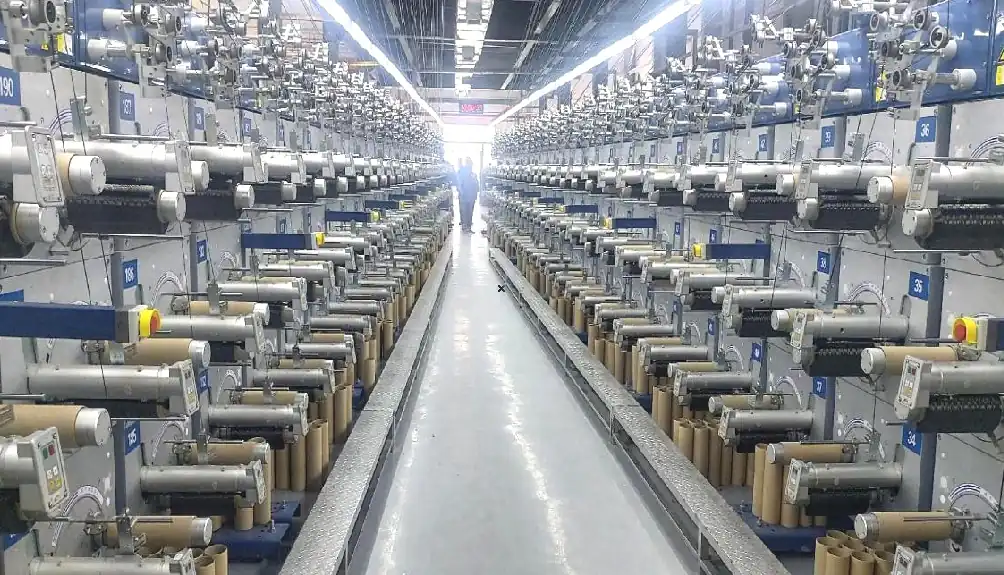
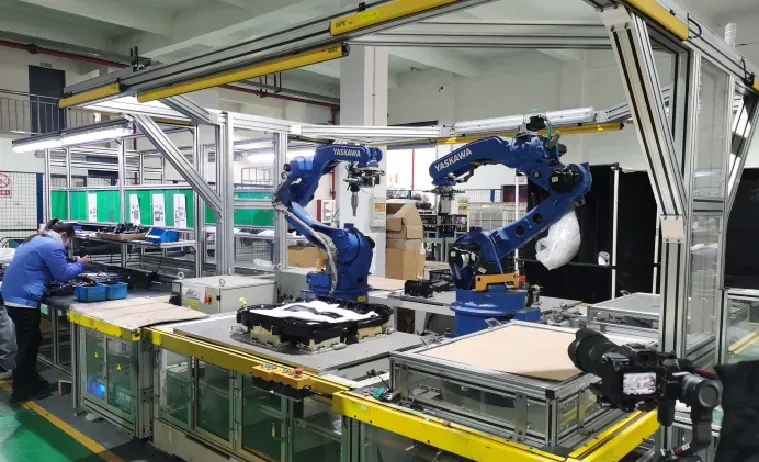
A video call is not a substitute for a physical visit, but it is a powerful filter. Ask the supplier to walk the production floor live rather than sending a pre-recorded tour. What you are looking for is whether the floor matches the claimed capability — the equipment, the staffing, and whether the line is actually running.
Then Audit
On-site audits, capability assessments and ongoing performance monitoring are what turn a promising supplier into a verified one. Documents establish who a company legally is. Only the floor establishes what it can build.