
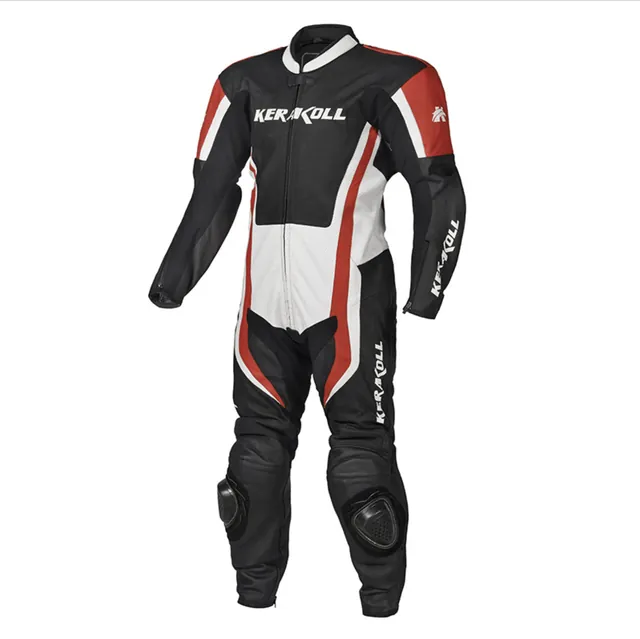
Riding Jackets and Racing Coveralls
Waterproof rider jackets and one piece racing coveralls with published size tables
4 Products →Half chest, centre back, sleeve length and tolerance. What each row of a factory size table means for your returns rate.
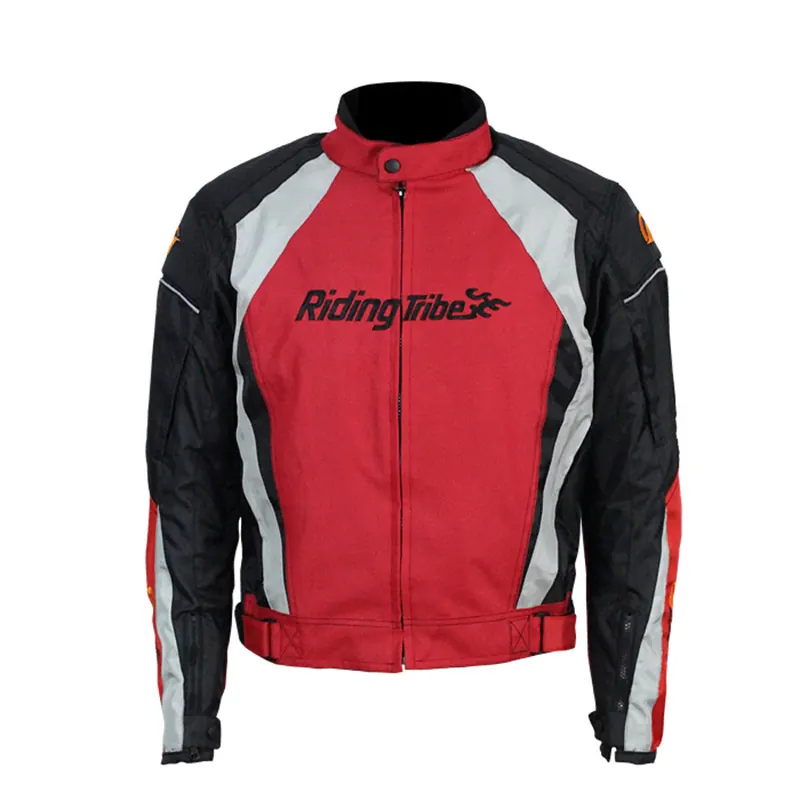
A garment factory measures a jacket flat on a table, not on a body. That is why the rows say half chest rather than chest: the jacket is laid flat and measured across, so the figure is half the circumference.
The two Creease rider jacket patterns publish full tables in centimetres. One runs M to XXL, the other M to XXXL. On the larger pattern, half chest runs 59, 61, 63, 65 and 67 cm across M to XXXL with a tolerance of plus or minus 1.5 cm.
A tolerance of plus or minus 1.5 cm on half chest is plus or minus 3 cm on the finished circumference. Across a run, that means two garments in the same labelled size can differ by a noticeable amount. That is normal in apparel manufacturing.
Two things follow. First, do not publish your own size chart to a precision the tolerance cannot support. Second, if a tighter tolerance matters for your brand, make it an explicit line in the purchase specification rather than assuming it.
A riding jacket is worn over a body, a base layer, and often a back protector. The published back insert patterns are 33.5 x 23 cm and 41 x 29 cm. A jacket that fits perfectly with an empty back pocket will be tight with a 41 x 29 cm protector in it. Size the run with the protector fitted, not without.
If you are supplying the jacket and the inserts together, check the pocket size against the insert pattern before the first production run rather than after it.
The same labelled size sells at different volumes in different markets. Take the factory table, convert it into the measurement language your customers use, and set your own labelling on top of the factory grade. Send us your graded table and we will tell you what can be matched against the existing patterns.
Waterproof rider jackets and one piece racing coveralls with published size tables
4 Products →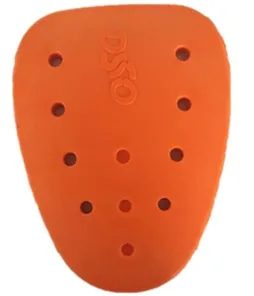
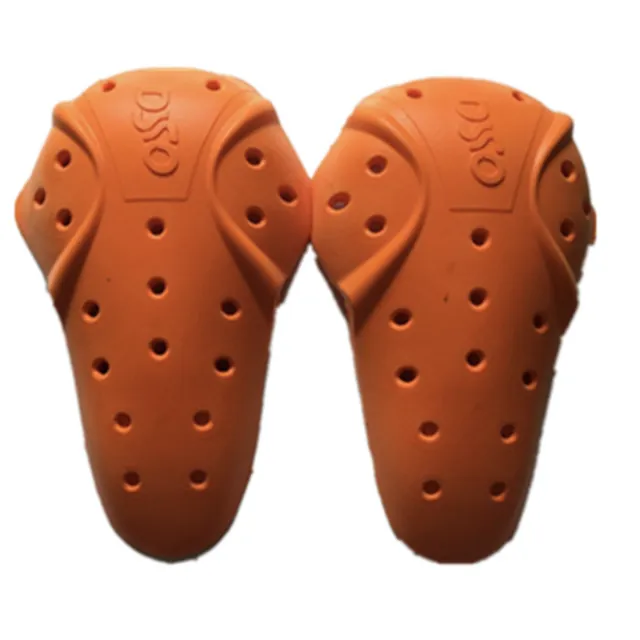
CE approved inserts, body armour, vests, jackets and limb guards
18 Products →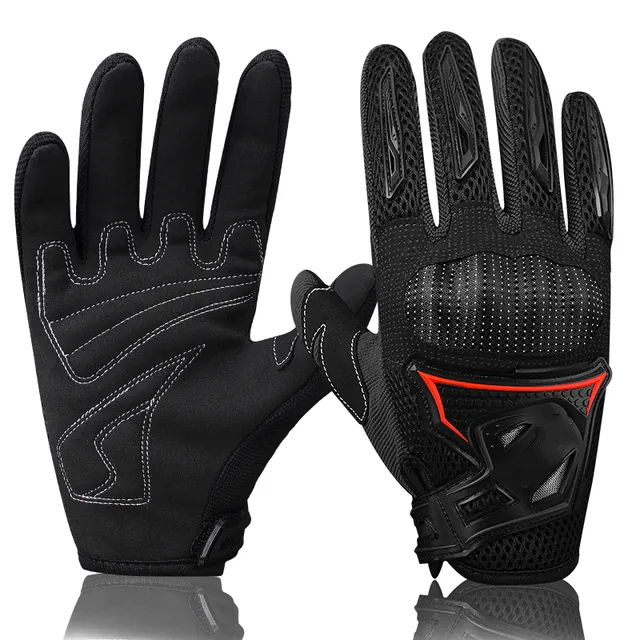
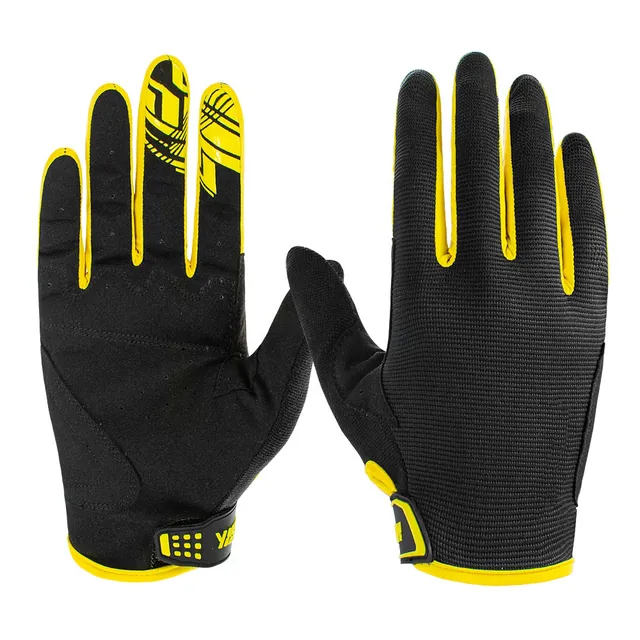
Full finger, half finger and gauntlet gloves with knuckle protection
9 Products →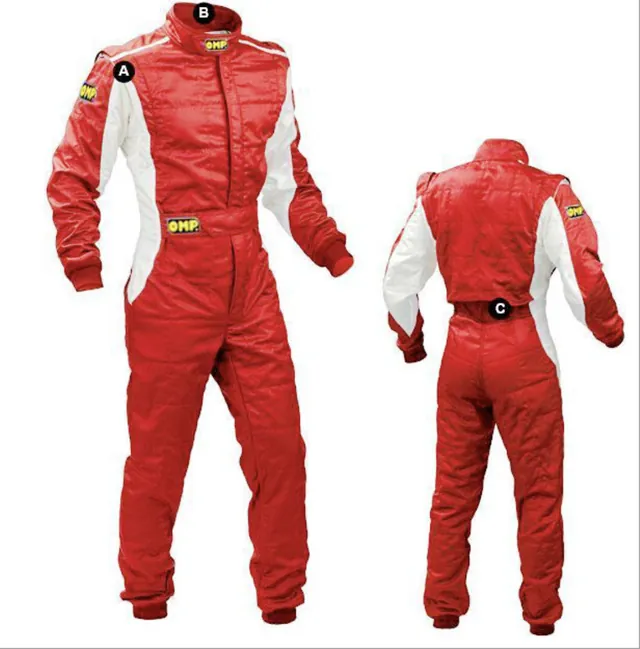
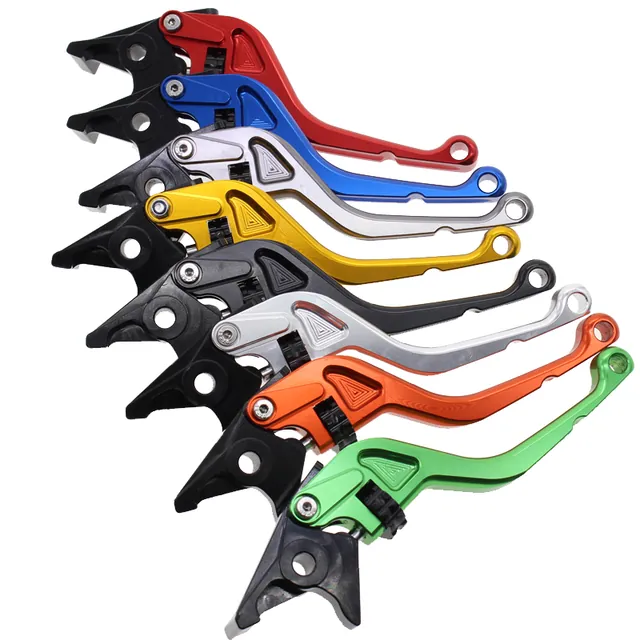
Short, long, folding or blade. What actually changes on the bike, and what to check before you commit to a colour run.
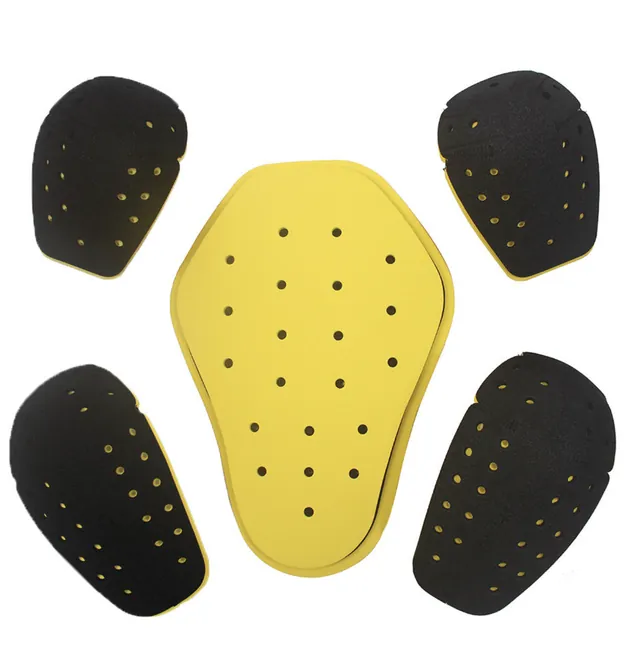
Back, chest, shoulder, elbow, knee and crotch inserts, what the pattern sizes mean, and what you can and cannot claim on
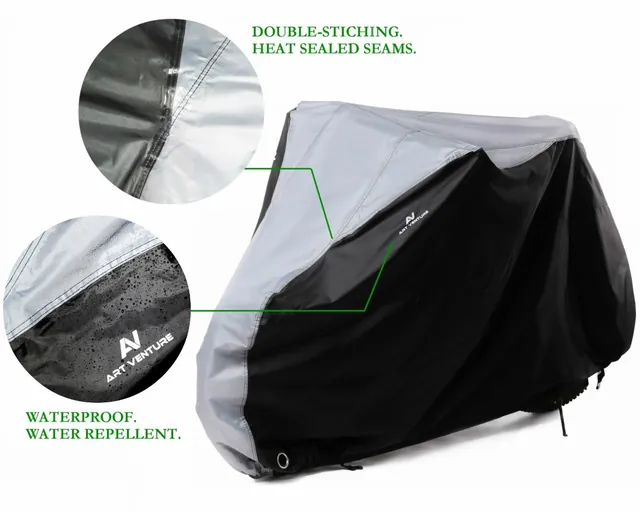
Two numbers that describe two completely different things, and how to pick the right one for how your customers park.
Send the collection you are interested in with your volumes and destination market and we will quote against a written specification.