
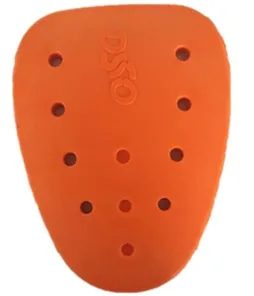
Motorcycle Armour and Protectors
CE approved inserts, body armour, vests, jackets and limb guards
18 Products →Back, chest, shoulder, elbow, knee and crotch inserts, what the pattern sizes mean, and what you can and cannot claim on your own label.
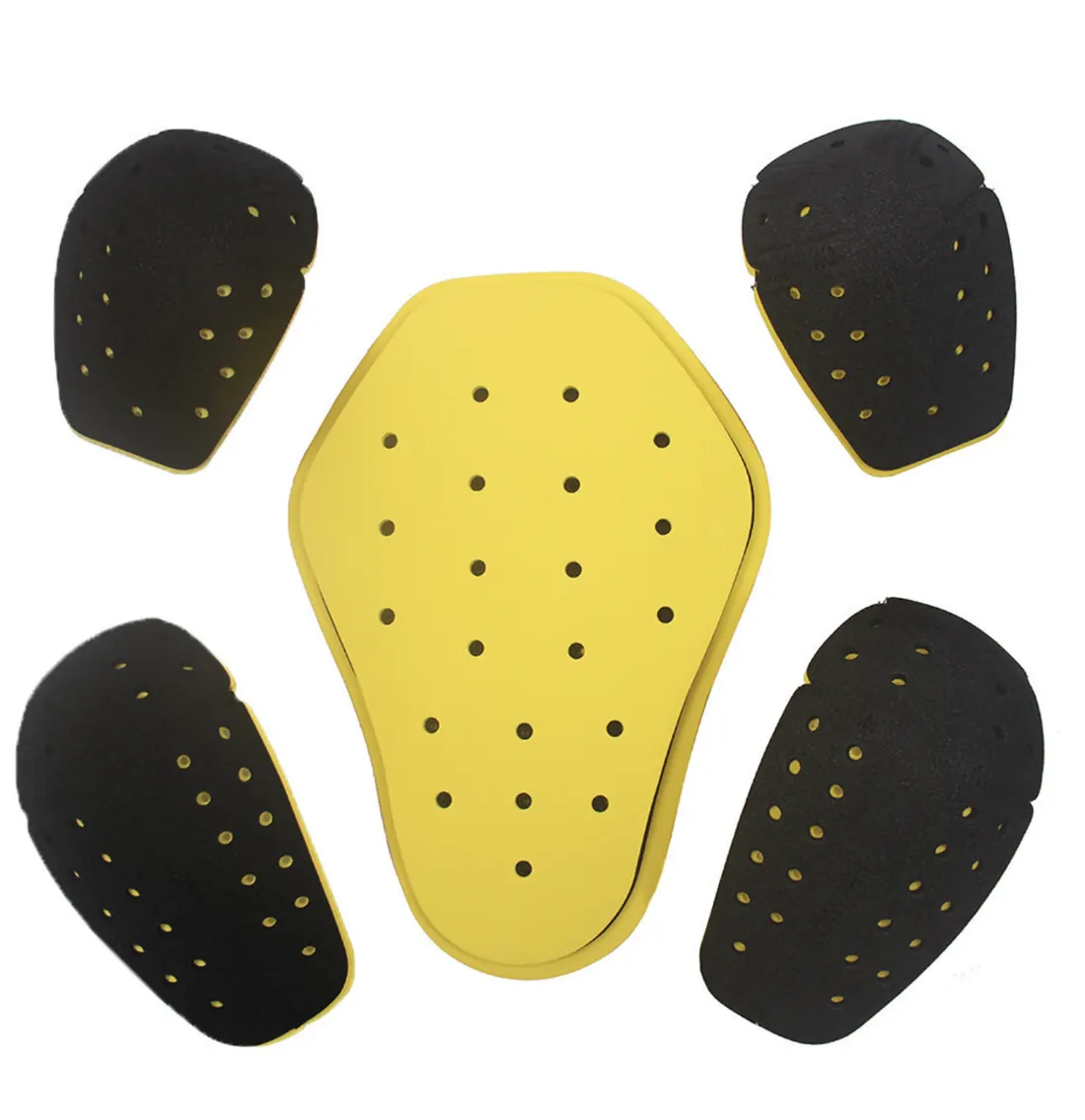
A riding jacket is a shell with pockets. The pockets are sized to take impact protectors at the positions where a rider is most likely to land: back, chest, shoulders and elbows. Trousers take knee and hip protectors. The garment shell provides abrasion resistance and the inserts provide impact absorption. They are different jobs and they are usually certified separately.
That split is why insert sizing matters so much to an apparel buyer. If the insert is 2 cm too wide for your pocket, it will not go in, and if it is too small it will move under impact.
The Creease insert range publishes its pattern sizes, which is unusual and useful. Back inserts are made at 33.5 x 23 cm and 41 x 29 cm. Shoulder inserts come at 16.5 x 20 cm, 15.2 x 21.5 cm and 15.5 x 26 cm. Elbow and knee inserts come at 13.5 x 21 cm, 17 x 25 cm, 11.5 x 25.5 cm and 9.5 x 15.5 cm. Chest and crotch inserts are listed as their own patterns.
Measure your existing pockets flat, with a tape, at the widest and tallest points. Compare against that list before you ask for anything custom. Most of the time one of the standard patterns already fits.
European impact protector standards for motorcycle garments define test conditions and a transmitted force limit, with levels that separate a lower performance protector from a higher performance one. A protector is certified as a specific article, made to a specific specification, tested by a notified body.
That has two practical consequences for a buyer. First, a certificate belongs to a specific pattern and a specific production specification, not to a supplier in general. Second, you cannot put a level marking on your own packaging unless you hold documentation covering the exact article you are selling. Ask for the current certificate for the exact pattern you are buying, and put the reference in your purchase specification so it is contractual rather than conversational.
An insert is invisible. It goes in a pocket, the rider forgets it is there, and it therefore actually gets worn. A hard vest or a body armour jacket is a standalone item with a rigid shell and a harness. It usually covers more area, and it is the right answer for motocross, enduro and riding schools where a jacket is not being worn over it.
The Creease range covers both, which lets a retailer serve a customer who wants an upgrade for a jacket they already own and a customer who wants standalone protection.
CE approved inserts, body armour, vests, jackets and limb guards
18 Products →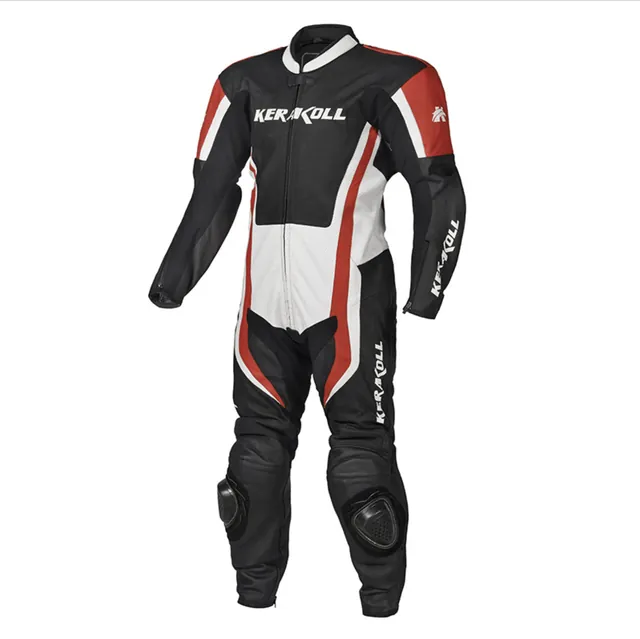
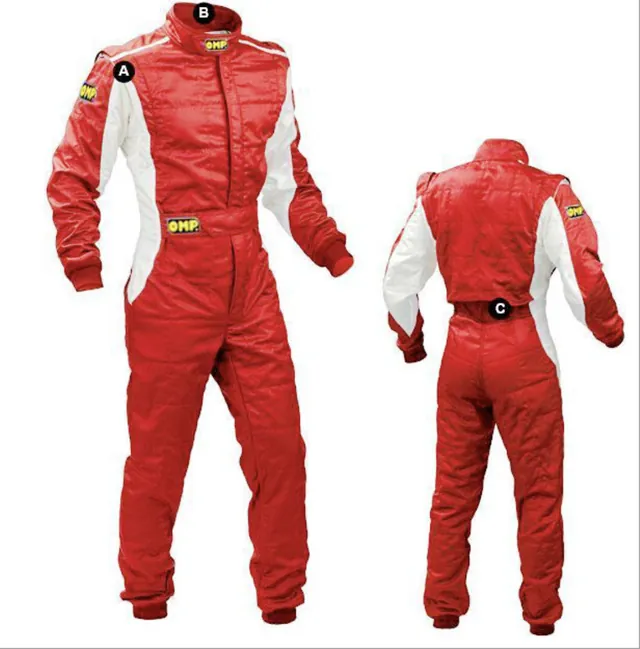
Waterproof rider jackets and one piece racing coveralls with published size tables
4 Products →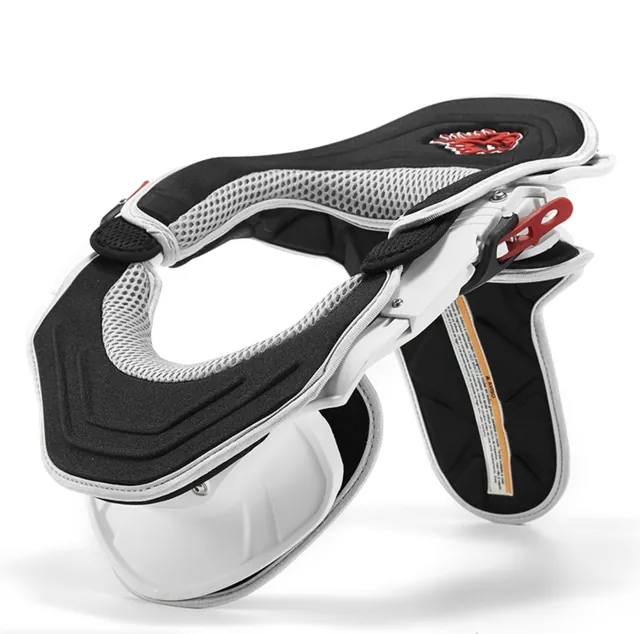
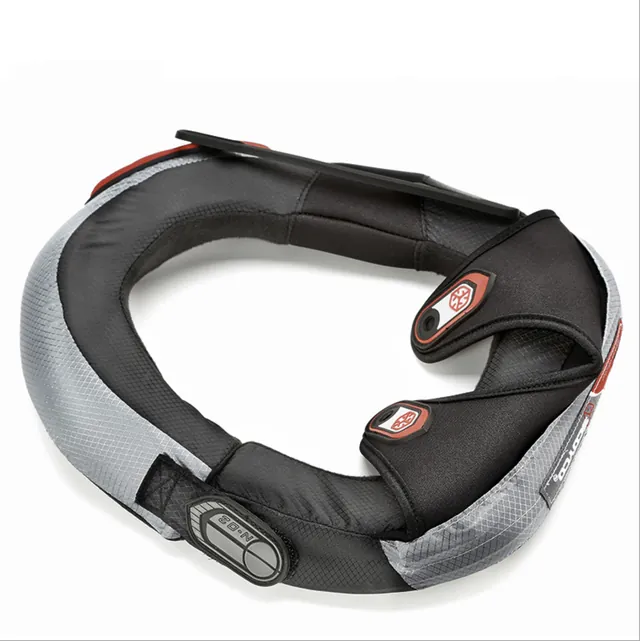
Off road neck braces and neck rolls with published dimensions
5 Products →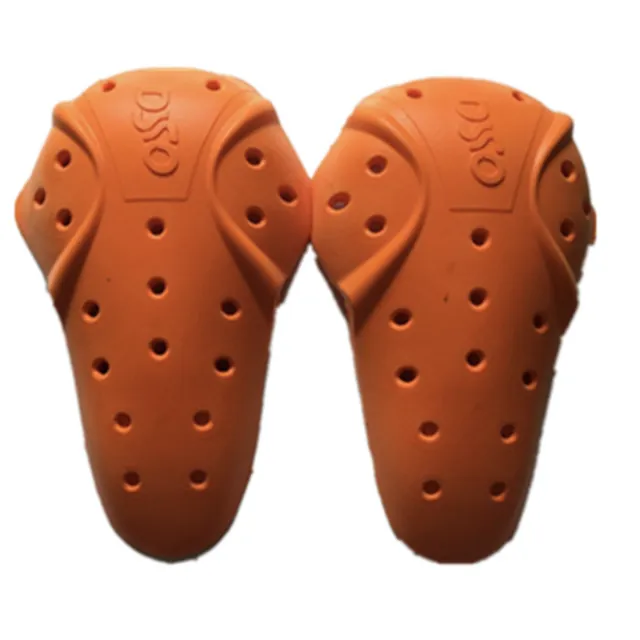
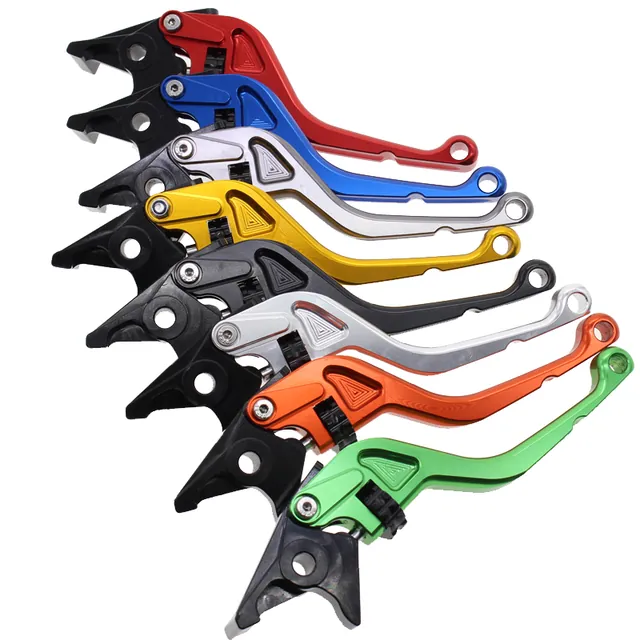
Short, long, folding or blade. What actually changes on the bike, and what to check before you commit to a colour run.
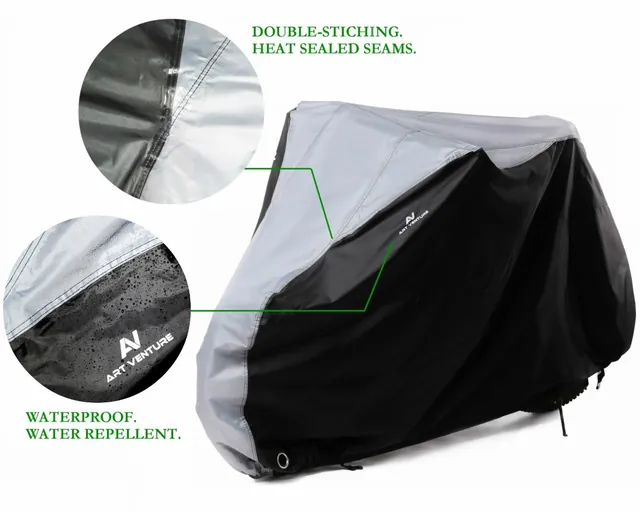
Two numbers that describe two completely different things, and how to pick the right one for how your customers park.
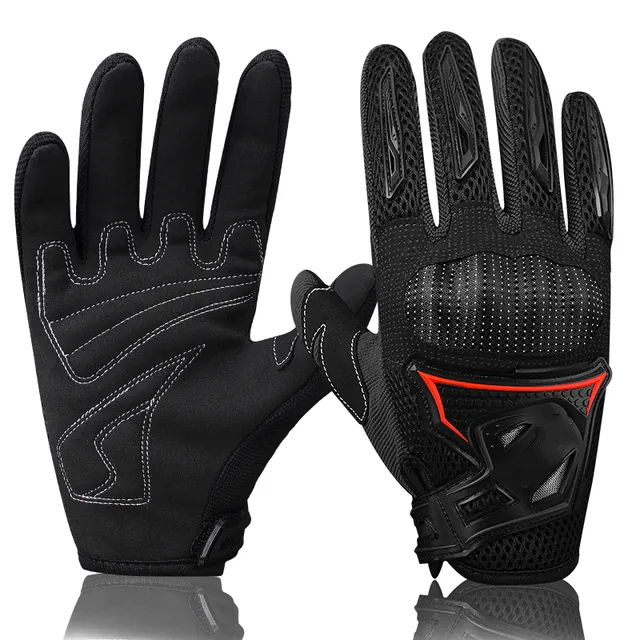
How to build a glove wall that covers every rider in your market without tying up capital in dead stock.
Send the collection you are interested in with your volumes and destination market and we will quote against a written specification.