
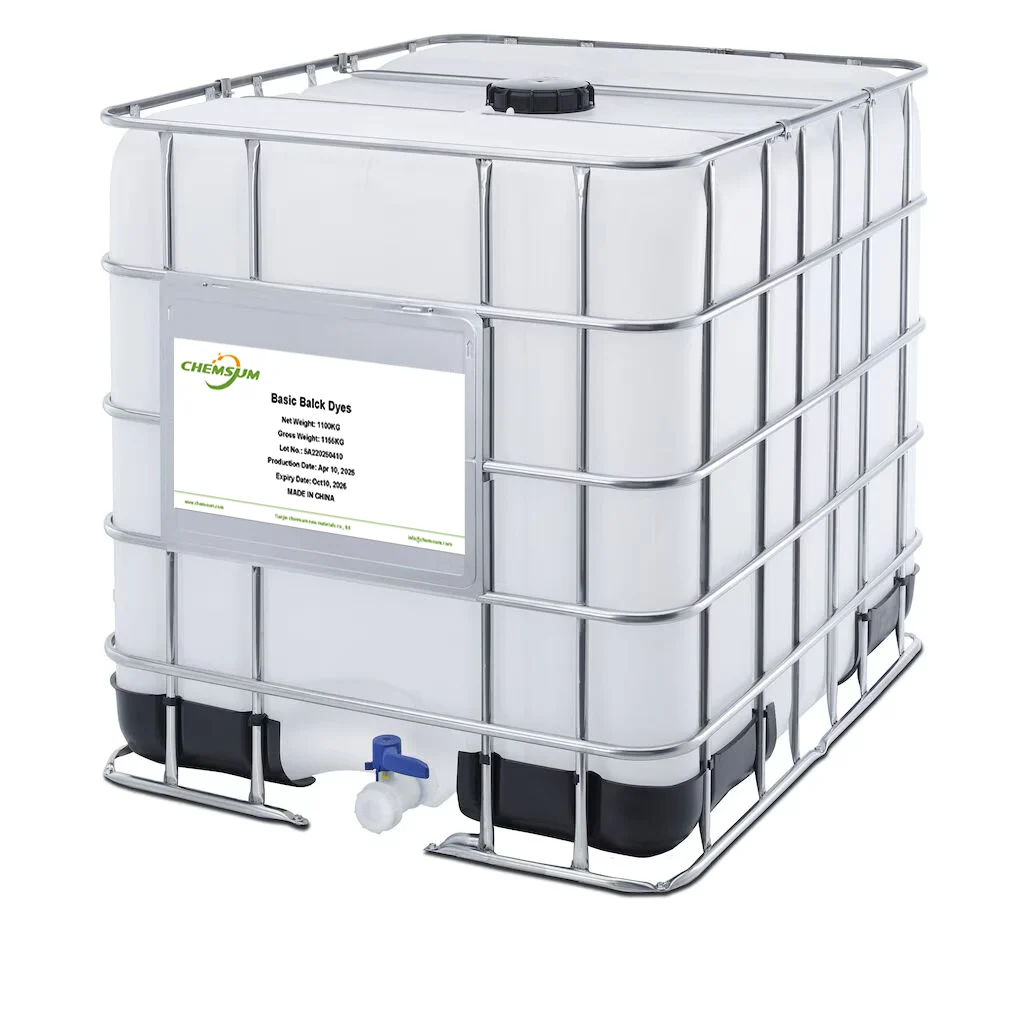
Basic Black Dyes
Deep black on mechanical pulp needs a dye with real affinity for lignin, or the shade washes out into white water.
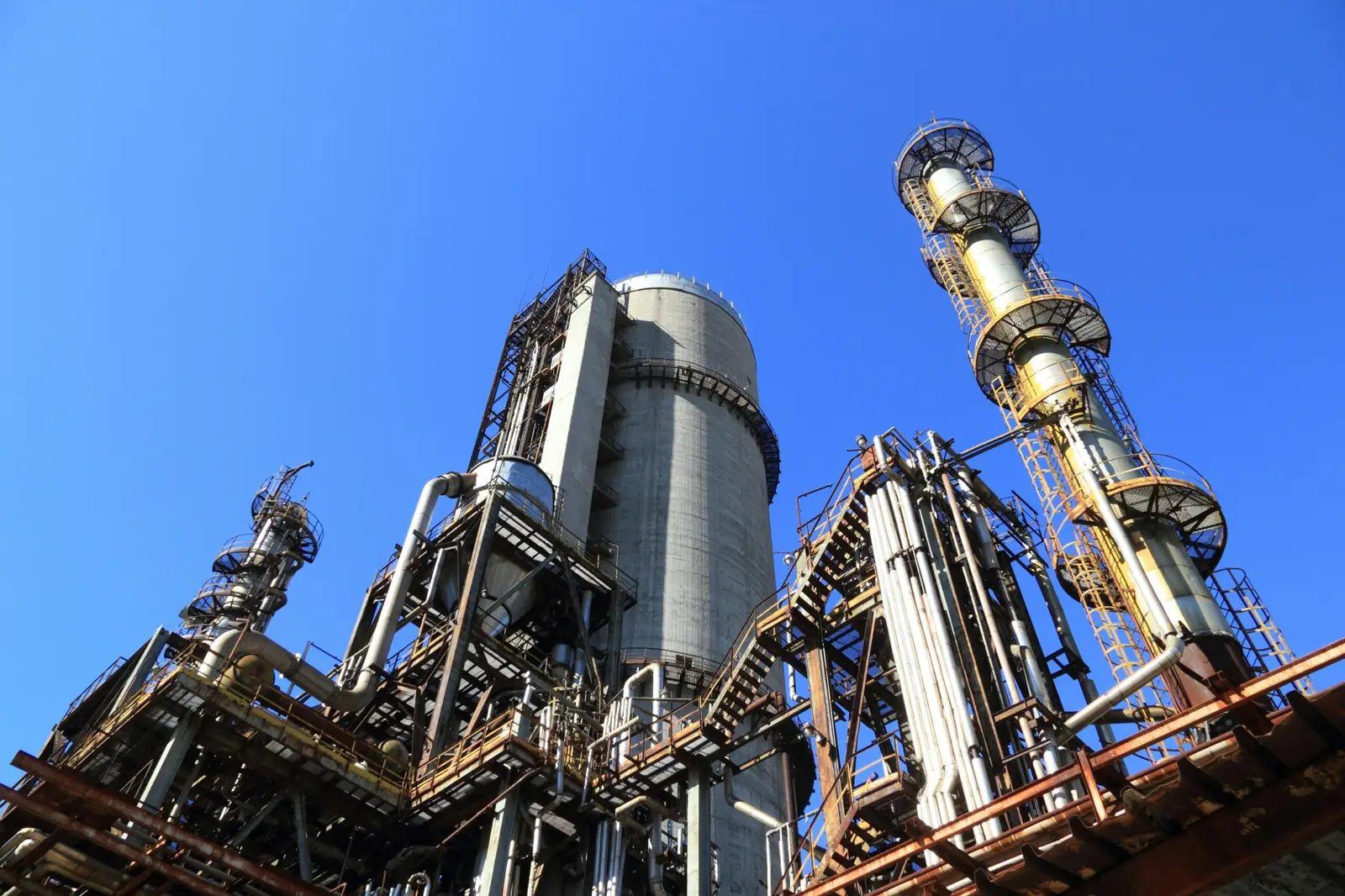
Picking basic or direct chemistry by furnish, then holding the shade batch to batch.
Basic dyes are cationic and have strong affinity for lignin-containing pulp - mechanical, semi-chemical and groundwood. Direct dyes are anionic and suit chemical-pulp and packaging furnish.
CHEMSUM carries basic black, brown, green, red, violet and yellow, and direct black, brown, orange, red and yellow.
A Fixing Agent binds anionic dyes and pigments to fibre, cutting dye loss into the white water and improving uniformity.
Colour that accumulates in a closed loop comes back as shade drift. PolyDADMAC removes suspended solids and colour from the circuit.
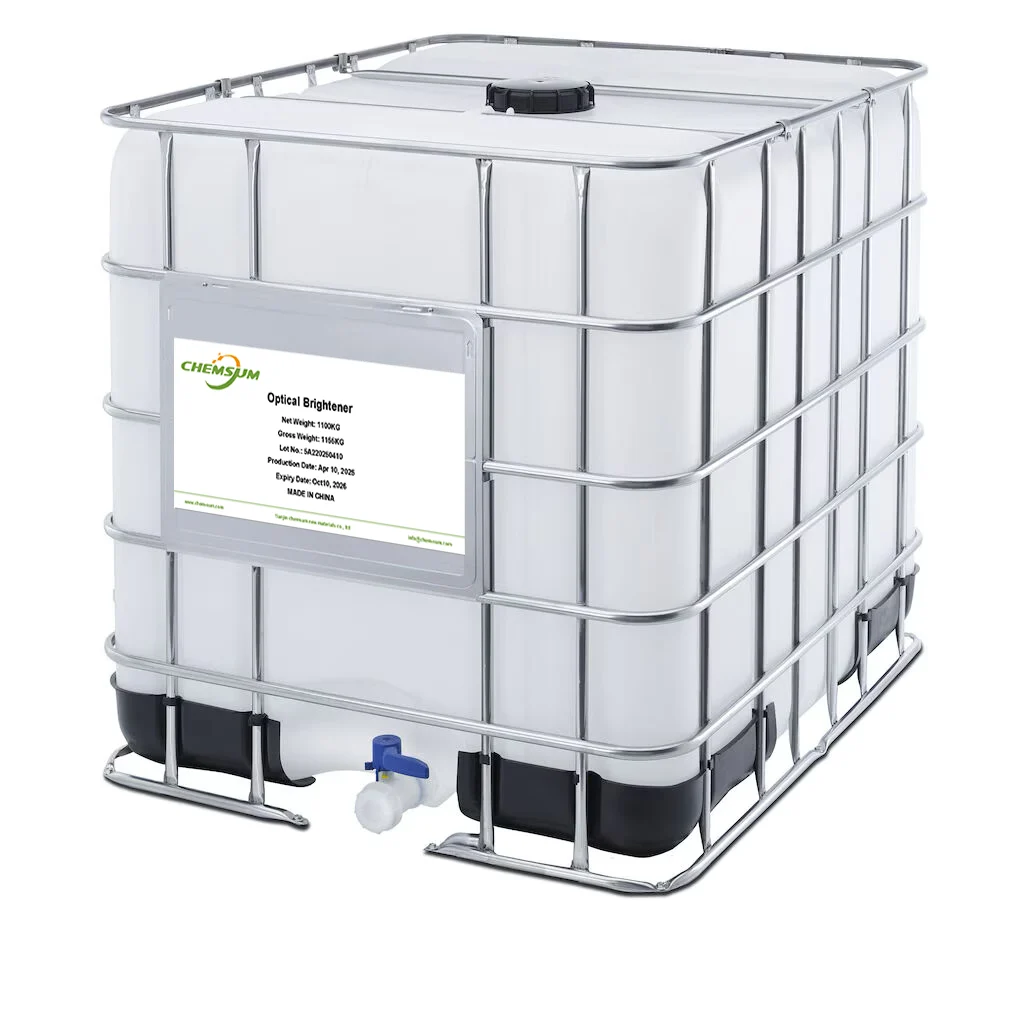
Optical Brightener Agents work on whiteness by re-emitting UV as visible blue light; they are a brightness tool, not a shade tool.
Deep black on mechanical pulp needs a dye with real affinity for lignin, or the shade washes out into white water.
Red dye lost to white water is red dye paid for twice.
Dye and filler that do not fix on fibre end up in the white water loop as anionic trash.
Anionic trash in a closed loop drags down retention and drainage at the same time.
Brightness targets are set by the buyer, not the furnish.
Picking basic or direct chemistry by furnish, then holding the shade batch to batch.
Basic Black Dyes, Direct Red Dyes, Fixing Agent, PolyDADMAC, Optical Brightener Agents.
Send the grade, furnish and target and we will give a dosage starting point and the sequence to run. Technical questions go to the same WhatsApp thread.
Send the grade and the target and we will walk the sequence with you.