
AKD Wax
Emulsifying your own AKD only pays if the wax purity and particle size are consistent.
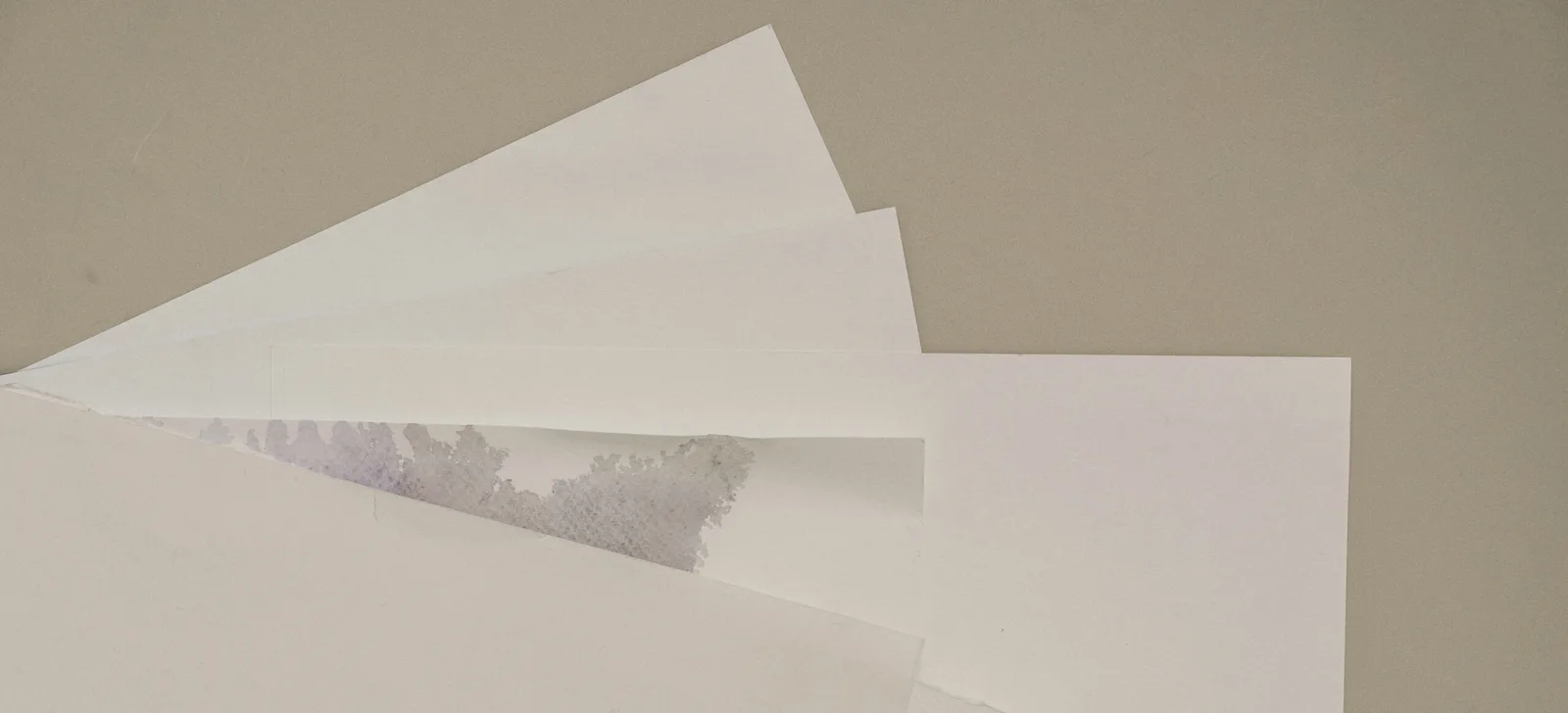
Alkyl Ketene Dimer (AKD) is a widely used internal sizing agent in modern papermaking. It reacts with cellulose fibers to create hydrophobic bonds that prevent paper from absorbing water and liquids. Compared with traditional rosin sizing, AKD provides higher sizing efficiency, better durability, and improved paper strength under neutral or weakly alkaline conditions.
The reaction between AKD and cellulose hydroxyl groups forms stable ester bonds, resulting in long-lasting water resistance. This makes AKD ideal for cultural paper, printing paper, packaging board, and various specialty papers.
Several factors can influence the performance of AKD sizing in paper production:
AKD Emulsion Stability: A uniform and fine-particle emulsion ensures better retention and distribution on fiber surfaces.
Retention and Drainage Aids: Proper use of retention systems (such as cationic polyacrylamide or PolyDADMAC) enhances AKD fixation.
pH and Temperature: AKD performs best in the neutral to slightly alkaline range (pH 7–8.5).
Curing Conditions: Adequate drying and curing temperature are essential for the full development of sizing performance.
CHEMSUN offers both AKD wax and AKD high polymer emulsifiers , designed to optimize these critical parameters and deliver consistent results.
Using AKD sizing provides multiple advantages for paper manufacturers:
Papermakers sometimes face challenges such as poor sizing, foaming, or AKD hydrolysis. To overcome these issues:
CHEMSUN’s technical team provides on-site guidance and formulation optimization to help mills achieve stable and efficient sizing performance.
With years of experience in papermaking chemistry, CHEMSUN delivers high-performance AKD products tailored for different paper grades. Our AKD wax , liquid AKD , and polymer emulsifiers ensure strong water repellency, excellent fiber bonding, and superior runnability on paper machines.
Emulsifying your own AKD only pays if the wax purity and particle size are consistent.
Not every mill wants to run its own emulsification plant.
High-speed emulsification needs an emulsifier that stays low-foaming and stable under shear.
AKD that has not fully cured leaves sizing developing for days after the reel, and edges that size differently from the middle.
Send your grade and target and the application team will suggest where to start.