
Basic Black Dyes
Deep black on mechanical pulp needs a dye with real affinity for lignin, or the shade washes out into white water.
Every grade we supply, grouped by the job it does on the machine - sizing, colouring, strength and barrier, wet-end function, and water treatment.
Paper coloring agents provide vivid, uniform, and lasting shades for paper and paperboard. Our range includes basic, direct, and acid dyes for diverse papermaking needs.
Deep black on mechanical pulp needs a dye with real affinity for lignin, or the shade washes out into white water.
Kraft-imitation and board grades need a warm brown that holds its tone batch after batch.
Vivid green on groundwood furnish demands high tinting strength and even levelness.
Bright red is the shade most likely to drift on a high-speed machine running recycled furnish.
Violet shows shade variation faster than any other tone on decorative grades.
Clean yellow on mechanical pulp needs strong dye uptake without clouding the shade.
Chemical-pulp grades need deep black at a cost that survives the tender.
Packaging and kraft grades need brown that penetrates cellulose fibre evenly.
Orange is a shade where levelness problems are immediately visible on the reel.
Red dye lost to white water is red dye paid for twice.
Writing and printing grades need a clean yellow that does not muddy under coating.
Paper Functional Agents are essential chemical additives designed to improve the overall performance, appearance, and processing efficiency of paper and paperboard products.
Dye and filler that do not fix on fibre end up in the white water loop as anionic trash.
Brightness targets are set by the buyer, not the furnish.
Retention, drainage and wet strength are usually three products and three dosing points.
Every point of first-pass retention lost is filler and fines paid for and thrown away.
Enhance paper performance with our high-quality paper sizing agents, including AKD, ASA, and surface sizing chemicals—improving water resistance and printability.
AKD that has not fully cured leaves sizing developing for days after the reel, and edges that size differently from the middle.
An AKD emulsion that coagulates in storage or drifts in particle size wastes wax and sizes unevenly.
Acid rosin systems corrode the machine and lose sizing over time; a neutral system needs an emulsion that stays fine and stable.
Linting, dusting and poor coating holdout at the size press show up as print defects downstream.
Acidic and weakly neutral systems still need sizing, and alum dosage is a cost line of its own.
Emulsifying your own AKD only pays if the wax purity and particle size are consistent.
High-speed emulsification needs an emulsifier that stays low-foaming and stable under shear.
Not every mill wants to run its own emulsification plant.
Enhance paper strength and durability with our paper strength agents—improving fiber bonding, dry and wet strength for high-quality, sustainable paper.
Lower basis weight targets and more recycled fibre both pull dry strength the wrong way.
Tissue, towel and liquid packaging have to hold together wet, which dry strength chemistry cannot do.
PFAS restrictions are closing in on fluorinated barrier coatings for food contact paper.
Grease strike-through turns a printed wrapper into a complaint.
High-performance water treatment chemicals for purification, coagulation, and scale control—ensuring clean, efficient, and sustainable water systems.
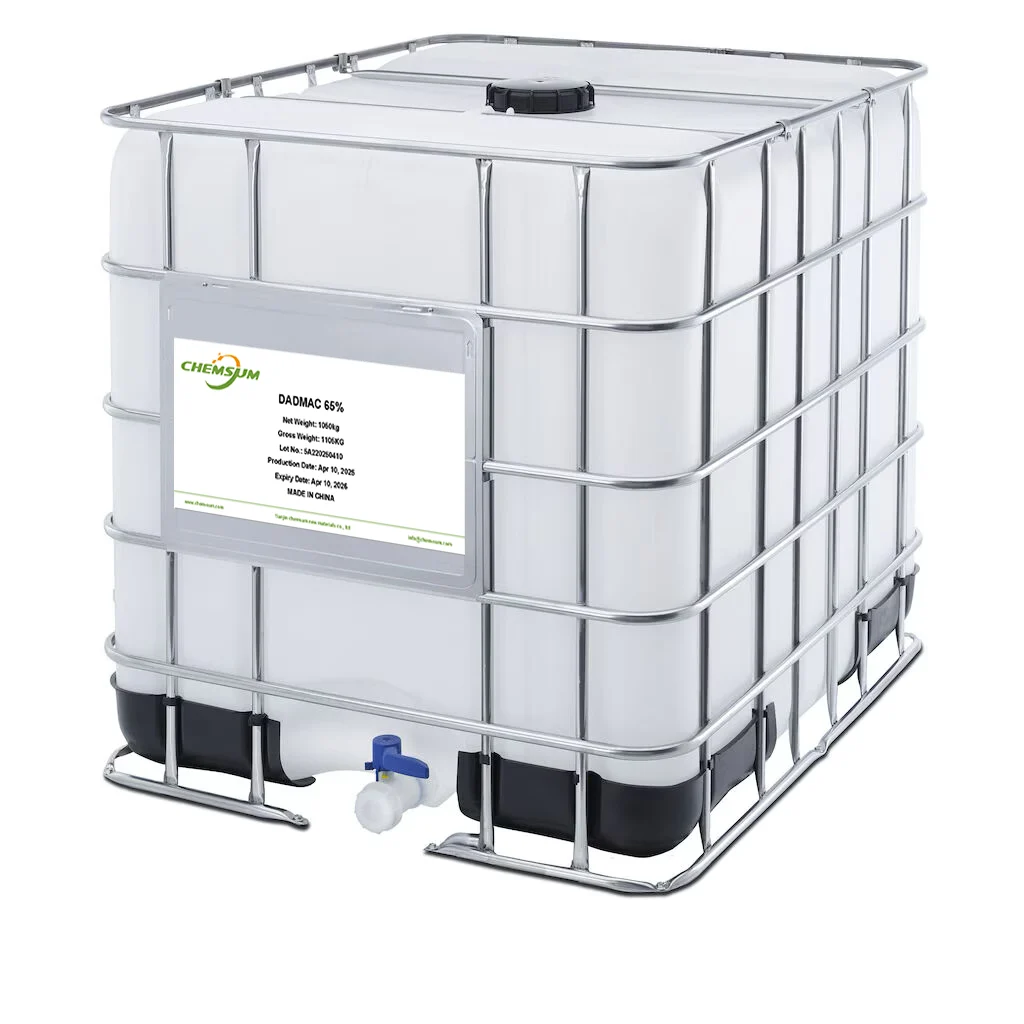
Mills and formulators polymerising cationic aids in-house need monomer with consistent concentration and low impurity.
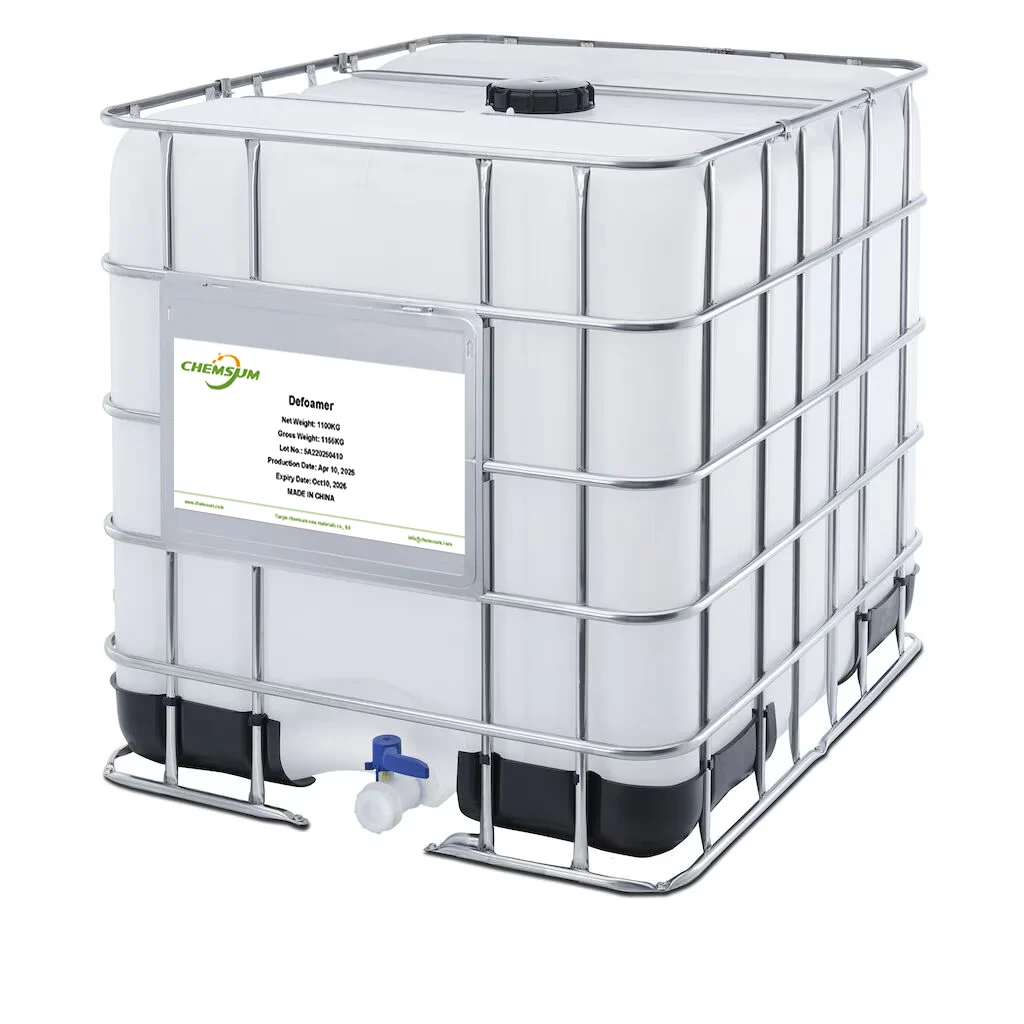
Foam in stock prep and white water becomes sheet defects and slower drainage.
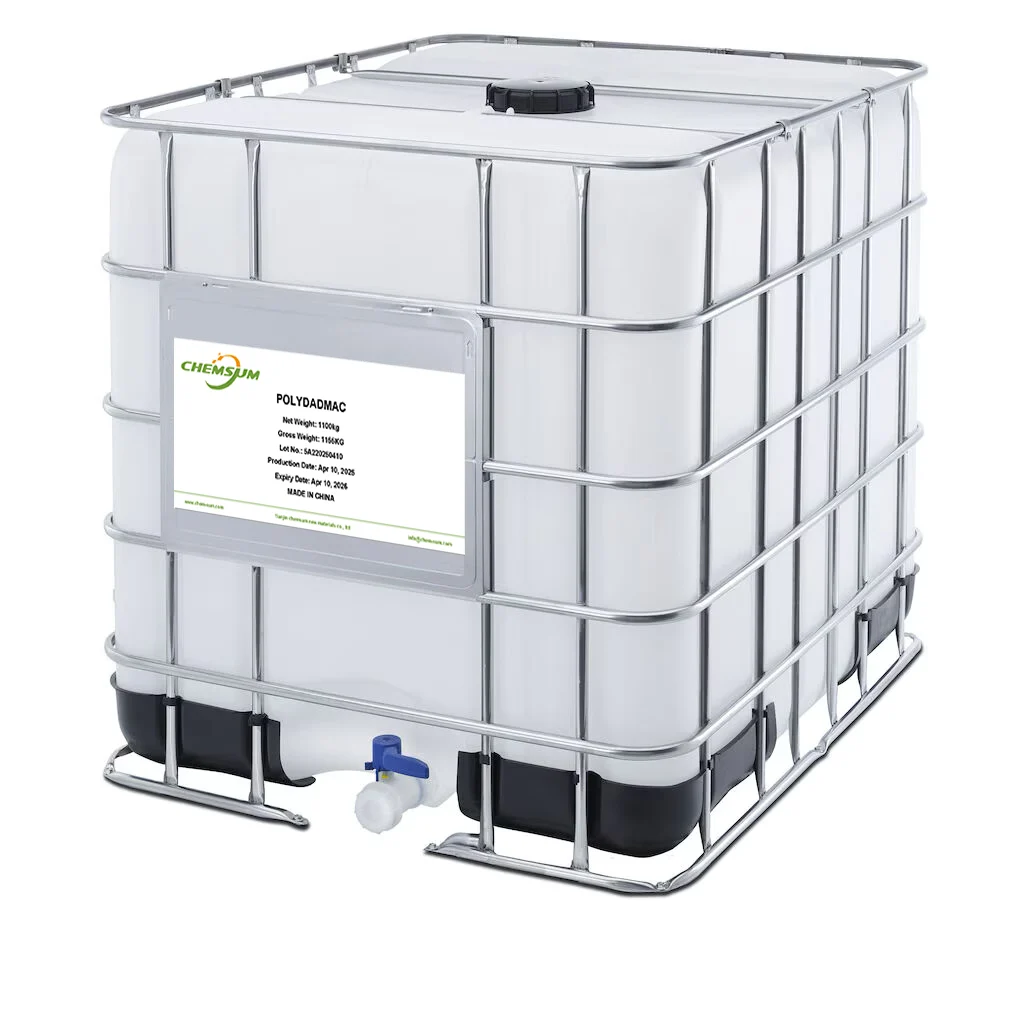
Anionic trash in a closed loop drags down retention and drainage at the same time.
Send the paper grade, the pulp type and the property you need. We will come back with a shortlist and a starting dosage range.