The two enamel routes behave differently in the hand, in the tooling and in the price. This is how to pick between them before the die is cut.
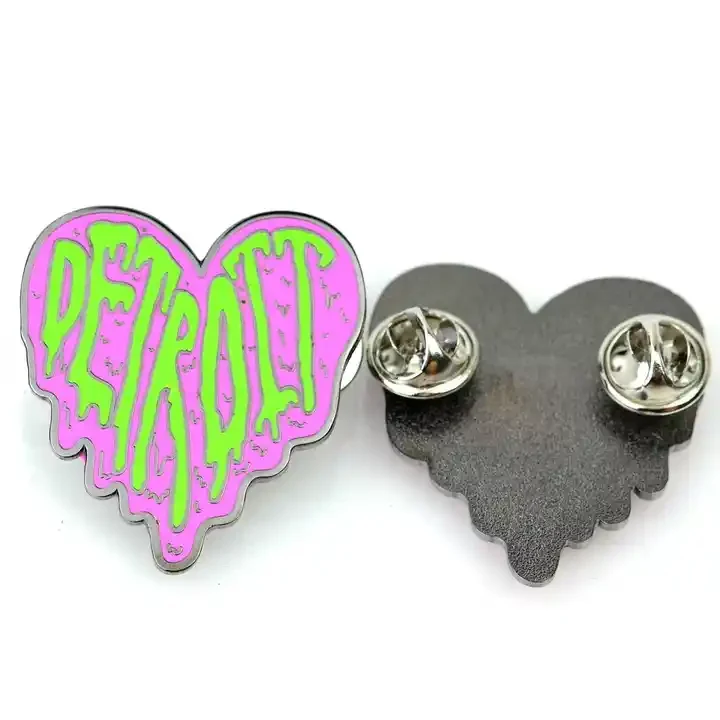
Soft enamel is colour filled into recesses that the die has pressed into the metal. The metal lines between the colours stay raised, so you can feel the design with a fingertip. It is produced in iron, brass or zinc alloy.
That raised metal line is not a styling choice, it is structural. It protects the colour: when the badge rubs against a coat or the inside of a bag, the metal takes the contact before the enamel does.
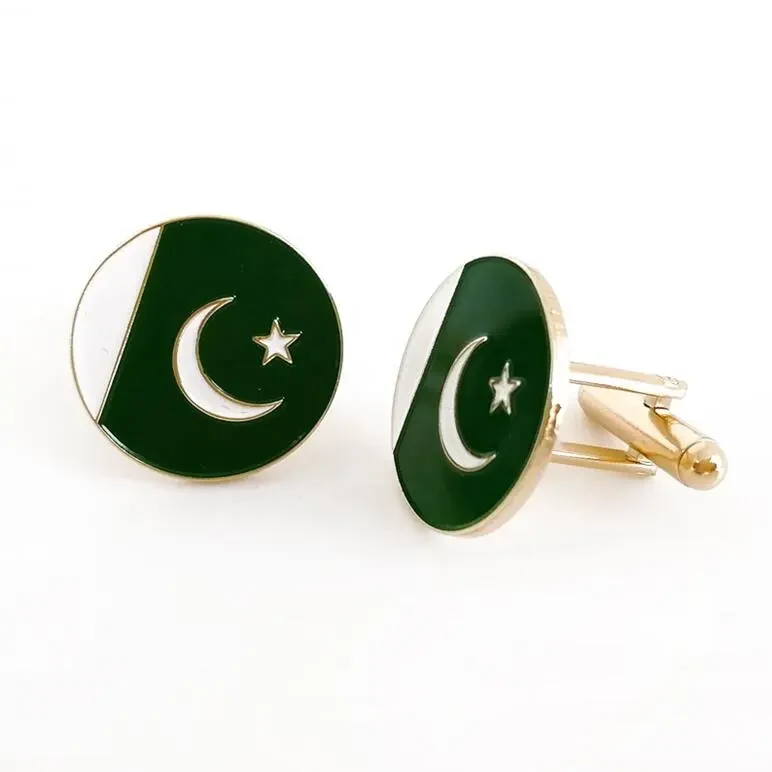
Cloisonne, usually called hard enamel, is fired at high temperature and then polished back flush with the metal. The result is a flat surface where colour and metal are level with each other.
It resists high temperature, it does not fade, and it is the route normally chosen for collectible pieces. It costs more and it takes longer.
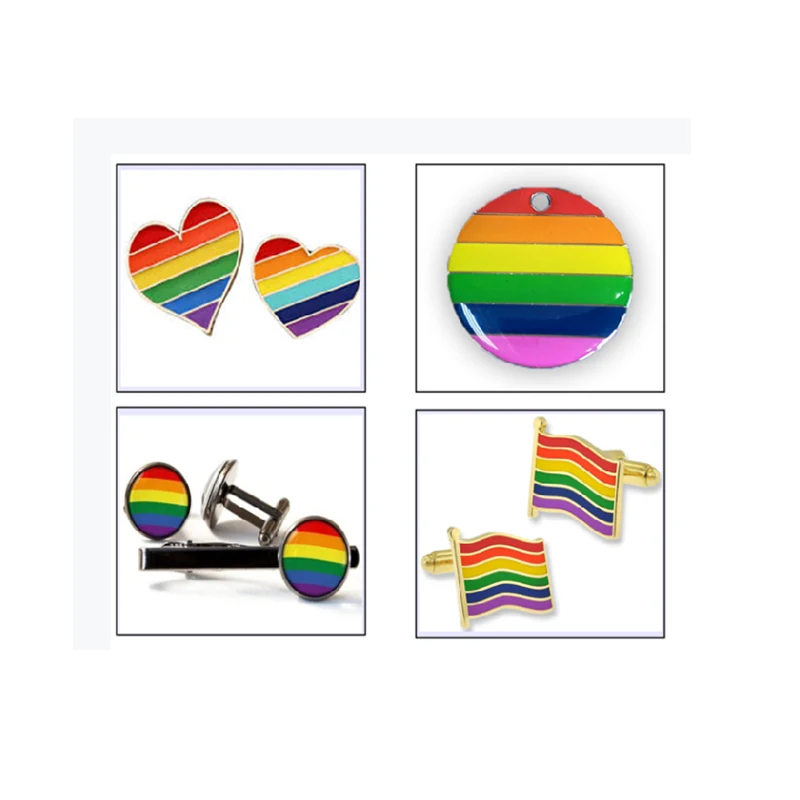
There is a third option between the two. Imitation hard enamel is produced in brass or zinc alloy, and the surface is finished so that the paint and the metal lines end up flat with each other without the high temperature firing.
It looks close to cloisonne at a lower cost. It does not have the same heat resistance.
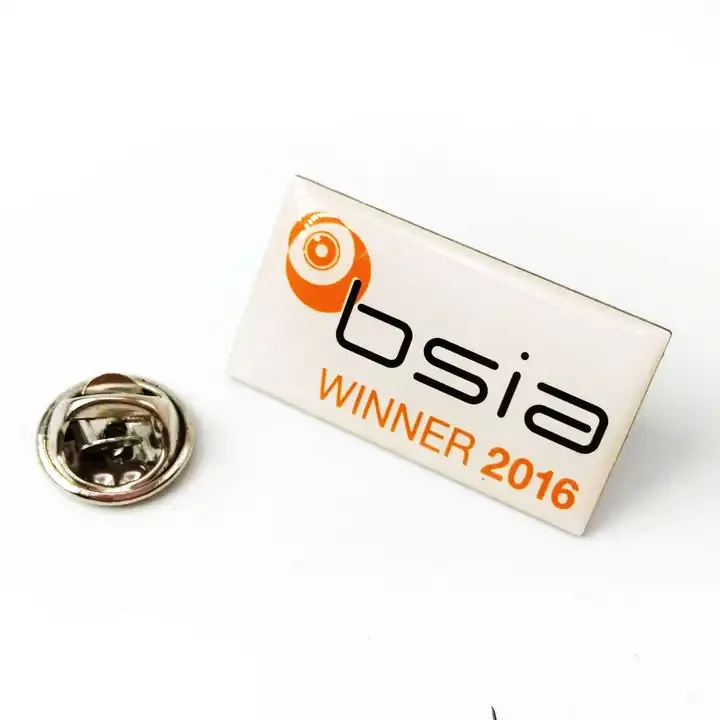
Adding an epoxy coat over soft enamel levels the surface with a clear dome. That is a different thing from hard enamel: the enamel is still recessed underneath, and the epoxy is a clear layer sitting on top of it.
Epoxy is the cheapest way to get a smooth badge, and it protects fine detail. It can yellow under long periods of direct sunlight, which hard enamel will not do.
If the piece is a keepsake that will be collected or displayed, choose cloisonne. If it is a badge that will be worn daily and the budget is normal, choose soft enamel. If the artwork has small text or fine detail that needs protecting, add epoxy over soft enamel.
All three are matched to the Pantone reference supplied with the artwork, so the choice is about surface and durability rather than about colour accuracy.
| Soft enamel | Recessed colour, raised metal lines, textured surface. Iron, brass or zinc alloy. |
|---|---|
| Soft enamel plus epoxy | Same construction with a clear dome on top. Flat, wipes clean, protects fine detail. |
| Imitation hard enamel | Brass or zinc alloy. Fine surface, paint and metal lines flat. |
| Cloisonne / hard enamel | High temperature resistance, never fades, high collectible value. |
Soft enamel. Adding epoxy costs a little more, and cloisonne costs the most.
The raised metal lines take the contact before the enamel does, which is why the colour is recessed in the first place. An epoxy coat adds further protection.
No. Hard enamel is fired and polished flush with the metal. Epoxy is a clear layer over recessed soft enamel.
Yes. Colour is mixed to the Pantone number supplied with the artwork in all of these routes.
Soft enamel, with epoxy if the artwork has small text or fine detail.
Send the artwork and the quantity. We will tell you which process suits it, and the first sample is free either way.