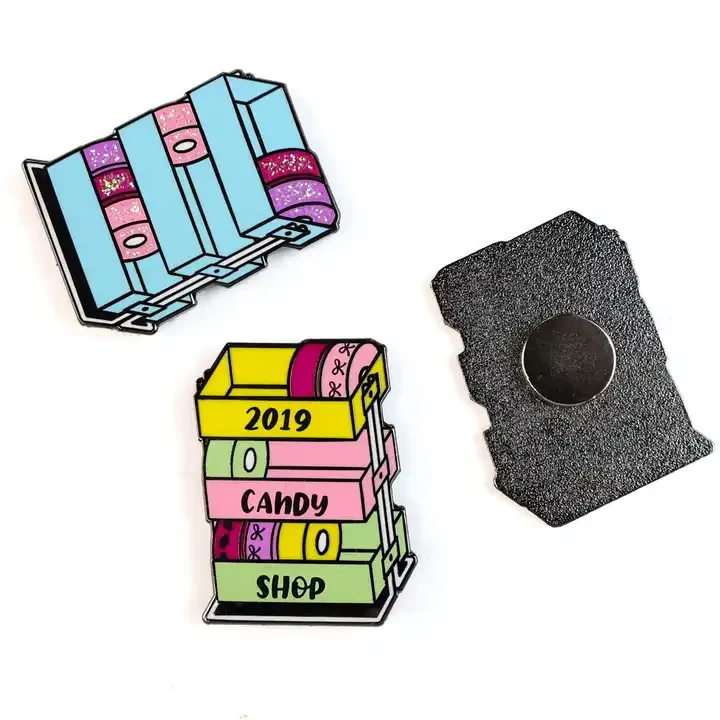
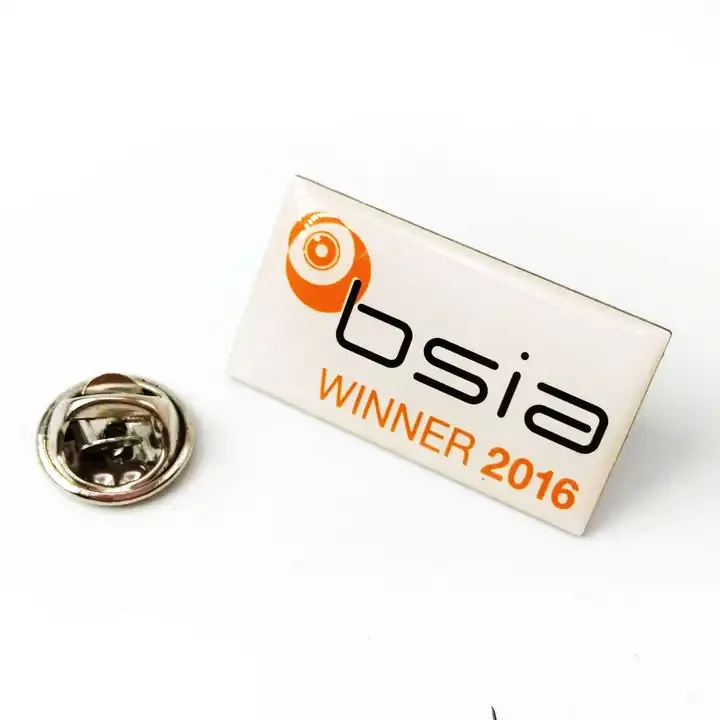
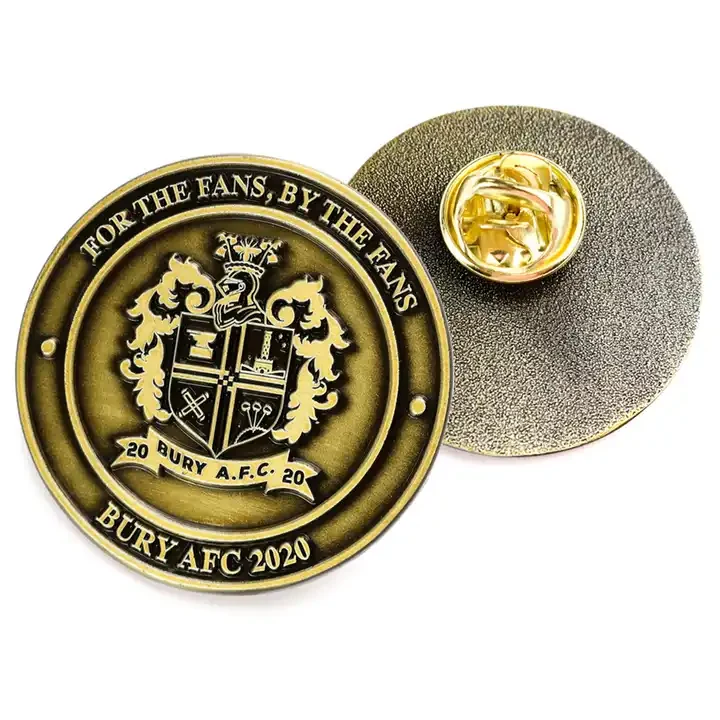
The fixing decides whether a pin is worn again. Butterfly, rubber, deluxe and magnet backs compared against the garment they go on.
Most badge complaints are not about the badge. They are about the fixing: a clutch that pulls a jumper, a pin that falls out during an event, or a fitting that leaves a hole in a uniform that cost real money.
Twelve standard attachments cover it, and the choice is made from the garment, not from the badge.
The butterfly clutch is the default. It is cheap, it holds well on shirts and jackets, and it is what most people expect on the back of a badge.
The rubber clutch grips the post with friction instead of a metal spring. It is gentler on knitwear and soft fabric and it does not mark the garment.
The deluxe clutch, sometimes called a locking clutch, holds more firmly than either and is the choice where a badge absolutely must not be lost. The jewelry clutch is the smallest and neatest of the four.
A magnet back holds the badge through the fabric with nothing pushed through it. It is the only option that leaves no hole at all, which is why it is used on tailored uniforms, silk and delicate fabrics.
Magnet strength has to be specified against the badge weight, and the magnet plate should be kept away from magnetic stripe cards.
A safety pin back suits fabric that a post would not pass through cleanly. A stick pin is used on hats and lapels where a long thin shaft is wanted. A tie pin and a tie tack with chain both hold a tie, with the chain adding security.
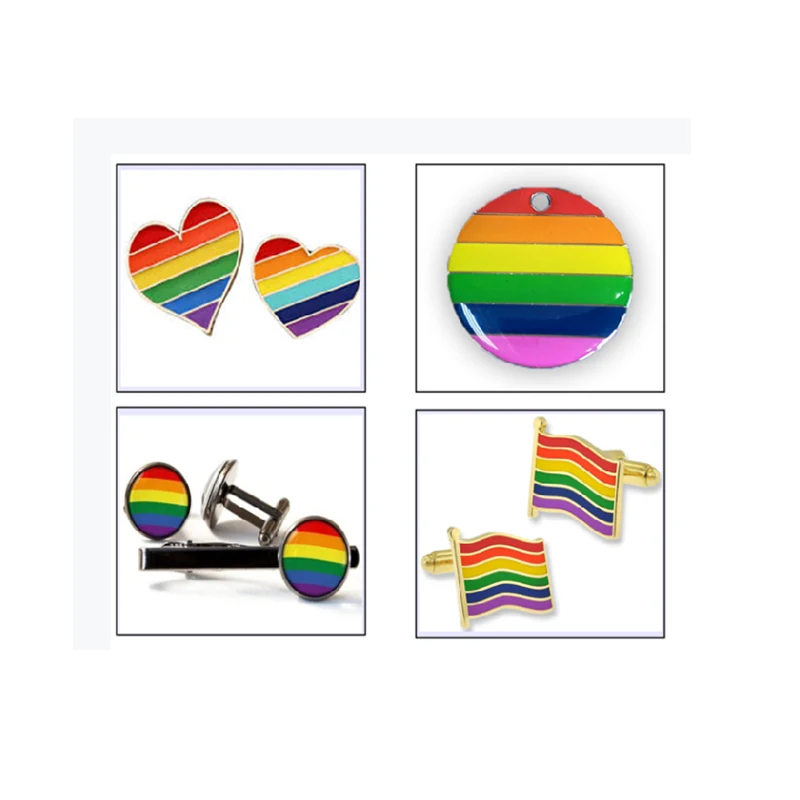
A key ring turns the same struck piece into a keychain, and a ball chain turns it into a pendant or a dog tag. A cuff link fitting turns it into a pair of cufflinks.
Shirts and jackets take a butterfly clutch. Knitwear, jersey and soft campaign clothing take a rubber or deluxe clutch. Tailored uniforms and delicate fabric take a magnet.
Anything that has to survive a full event day and cannot be replaced takes a deluxe clutch.
| Butterfly clutch | Default. Shirts, jackets, lanyards. |
|---|---|
| Rubber clutch | Knitwear and soft fabric. Does not mark the garment. |
| Deluxe clutch | Locking. For badges that must not be lost. |
| Jewelry clutch | Smallest and neatest of the clutch types. |
| Magnet back | No hole at all. Tailored uniforms and delicate fabric. |
| Cuff link | Converts the piece into cufflinks. |
| Key ring | Converts the piece into a keychain. |
| Tie tack with chain | Tie fixing with a security chain. |
| Safety pin | For fabric a post will not pass through cleanly. |
| Stick pin | Long shaft, used on hats and lapels. |
| Tie pin | Holds a tie without a chain. |
| Ball chain | Converts the piece into a pendant or dog tag. |
A rubber clutch, or a magnet back if the garment must not be pierced at all.
The deluxe locking clutch, for badges that cannot be replaced during an event.
Magnet strength is specified against the badge weight. State the fabric when you enquire.
Yes. The same struck piece can be fitted with different attachments across an order.
Butterfly clutches are the standard. Magnets and deluxe clutches cost more; confirm with the quotation.
Send the artwork and the quantity. We will tell you which process suits it, and the first sample is free either way.