Technological Advancement
Innovative Processing Technology
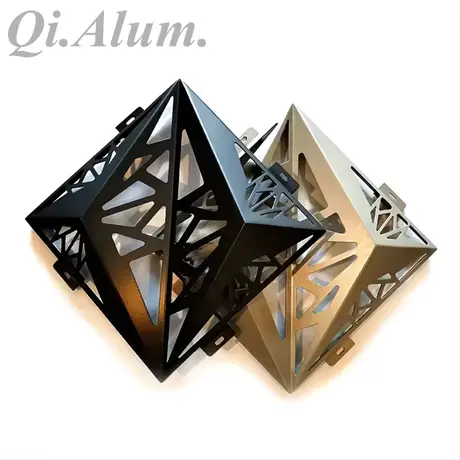
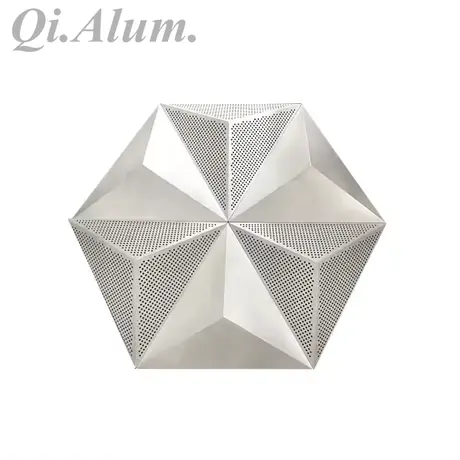
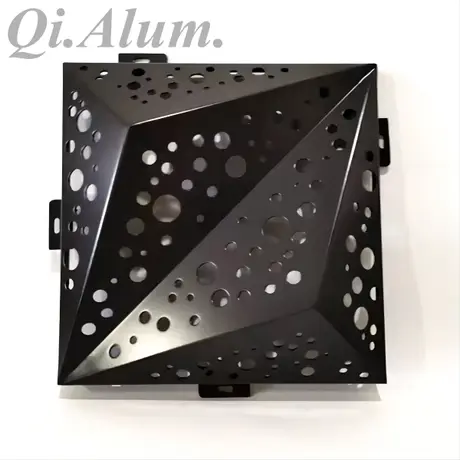
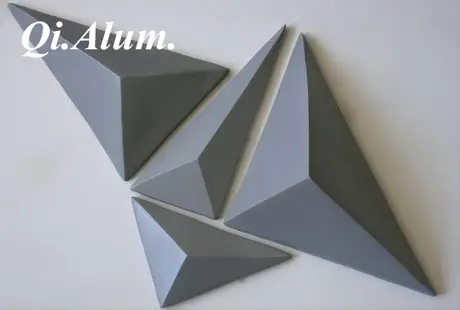
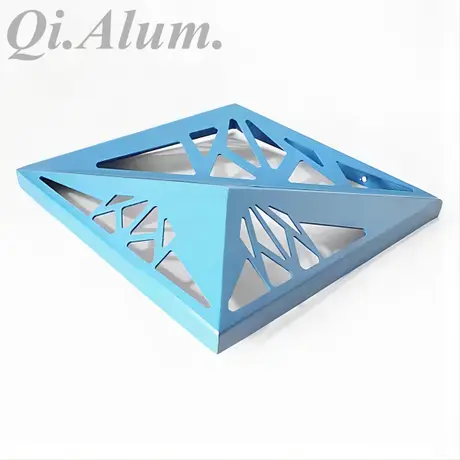
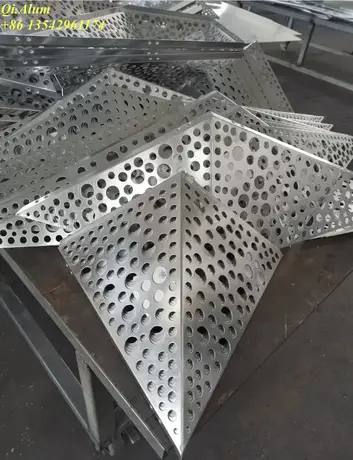
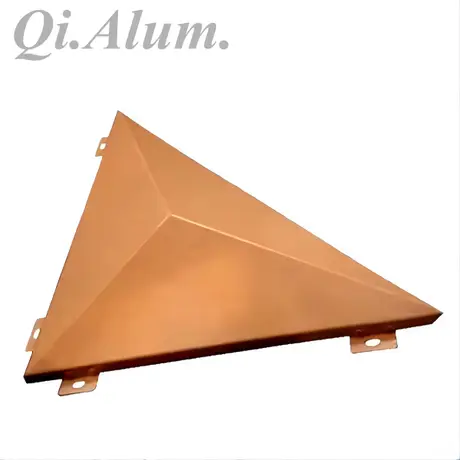
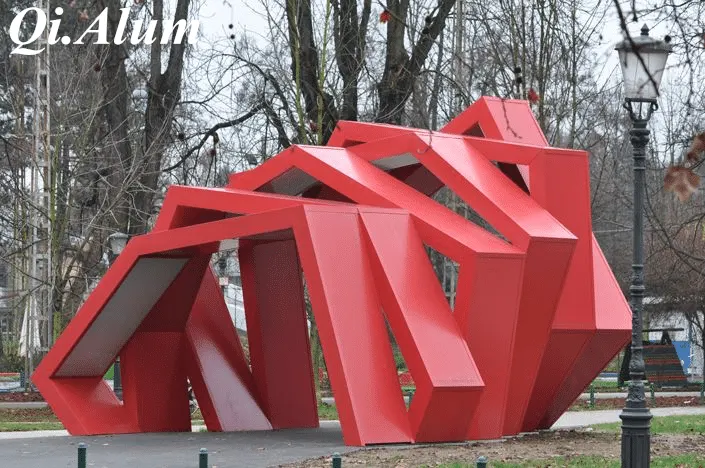
: Aluminum’s excellent ductility allows it to be easily extruded, rolled, and cast. It can be processed into various complex shapes and profiles through cold bending, embossing, wire drawing and other techniques, meeting diverse architectural design needs. For example, aluminum alloy curtain walls can be made into unique curved surfaces and undulating shapes.
Easy Installation and Assembly
: The lightweight nature of aluminum materials simplifies transportation and installation, reducing labor costs and construction time. In the construction of high-rise buildings, the use of lightweight aluminum components can reduce the difficulty of hoisting and improve construction efficiency. For instance, aluminum alloy window frames are easy to install and can be quickly assembled on site.
Design Freedom
Diverse Aesthetic Expression
: Aluminum materials have a sleek and modern appearance, and their surfaces can be treated in a variety of ways, such as anodizing and painting, to present a rich range of colors and textures. They can create both simple and grand styles and fashionable and dynamic atmospheres, offering architects broad creative space.
Flexible Space Design
: Due to its high strength-to-weight ratio, aluminum can be used to create large-span and open spaces. In the design of large public buildings such as exhibition halls and gymnasiums, aluminum structural systems can support large areas of roofs and facades without the need for too many columns, creating a spacious and transparent interior space.
Performance Improvement
Enhanced Durability
: Aluminum has good corrosion resistance and can withstand harsh environmental conditions such as humidity and salt spray. The aluminum oxide layer on its surface can protect the material from corrosion, prolonging the service life of buildings. For example, aluminum alloy roofing and wall materials can remain intact for many years in coastal areas.
Improved Energy Efficiency
: Although aluminum is a good thermal conductor, by using special insulation designs and materials, energy-efficient aluminum building components can be developed. For example, energy-saving aluminum alloy windows with thermal breaks can effectively reduce heat transfer and improve the energy efficiency of buildings.
Environmental Protection and Sustainability
High Recyclability
: Aluminum is a highly recyclable material that can be recycled repeatedly without losing its performance
2
. Recycling aluminum requires much less energy than primary production, which helps conserve resources and reduce energy consumption and carbon emissions.
Reduced Environmental Impact
: In the production and use of aluminum building materials, the amount of waste and harmful substances generated is relatively small
2
. Moreover, their long service life reduces the frequency of material replacement, thereby reducing construction waste and having a positive impact on the environment.
Market Expansion
Increased Market Share
: Due to their many advantages, aluminum building materials are increasingly favored by the market and have gradually expanded their share in the construction materials market. They are widely used in various fields of the construction industry, from residential to commercial and public buildings.
Driving Related Industries
: The development of aluminum building materials has driven the growth of related industries, such as the aluminum processing industry, surface treatment industry, and building hardware industry. It has created a large industrial chain and promoted the coordinated development of the entire industry.