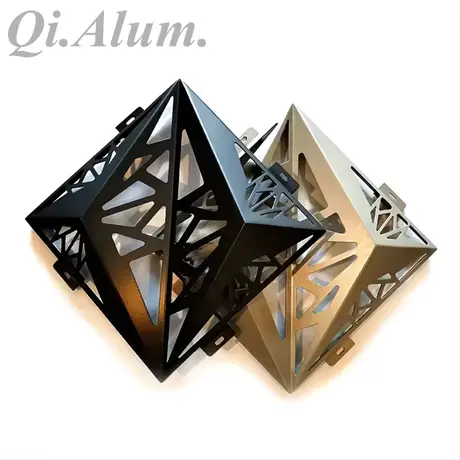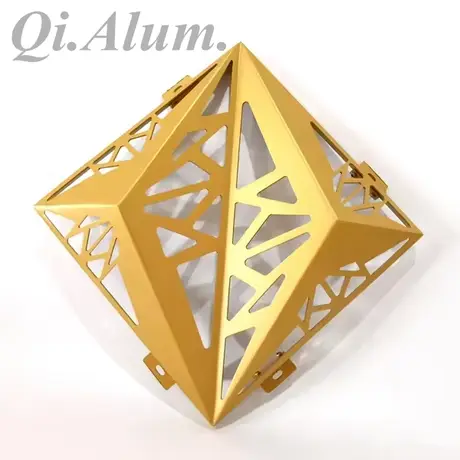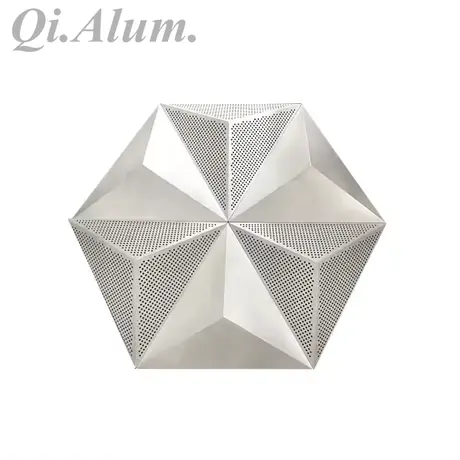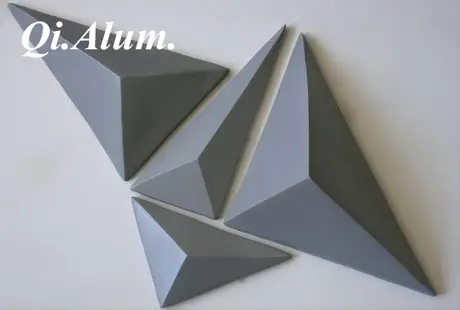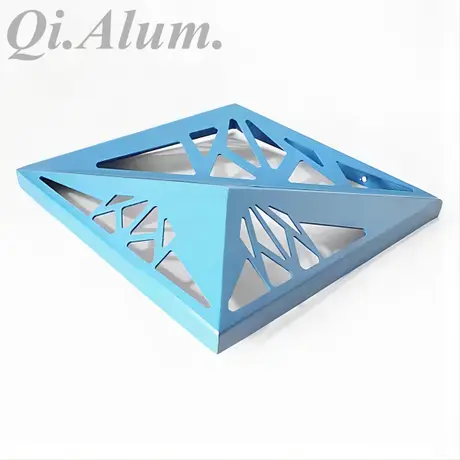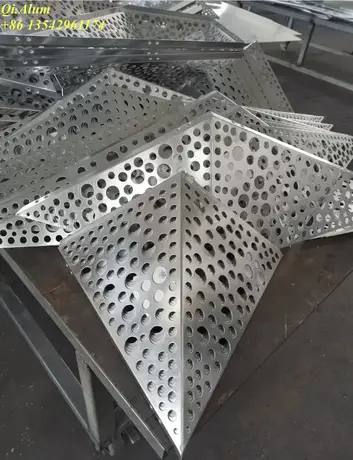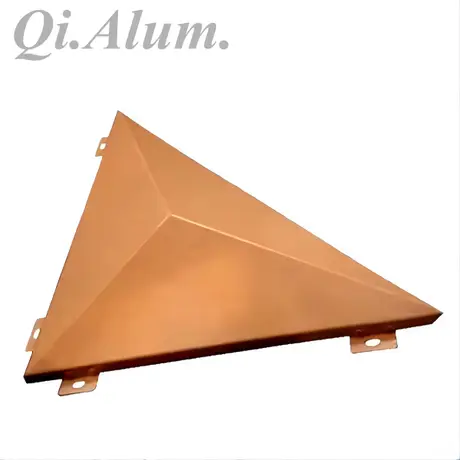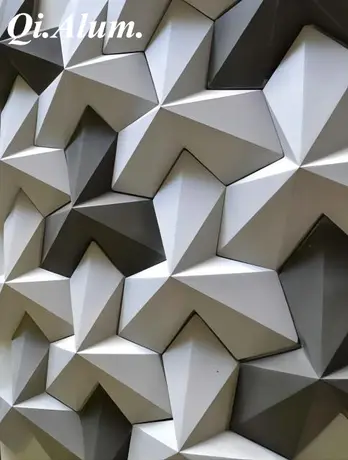
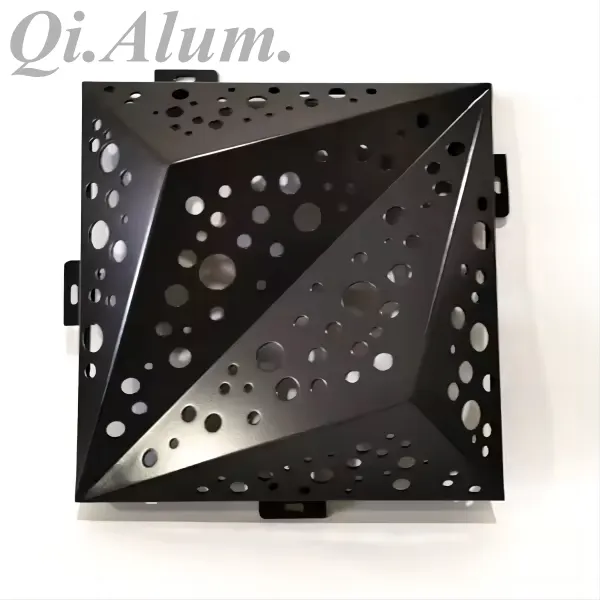
Secondly, aluminum panels possess excellent formability and processability. They can be easily shaped through processes such as die casting, stretching, and bending, making them versatile in various manufacturing industries. This flexibility allows for creative and complex designs, enhancing the usability of 3D aluminum panels.
Another noteworthy feature of aluminum panels is their corrosion resistance. With superior resistance to corrosion, aluminum panels can withstand long-term exposure to humid and corrosive environments. This characteristic ensures prolonged service life, making them suitable for outdoor and marine engineering applications.
Moreover, aluminum is an excellent conductor of heat and electricity. It exhibits exceptional thermal conductivity and electrical conductivity, making 3D aluminum panels crucial in fields like electronic products and heat sinks.
Furthermore, aluminum panels have a convenient surface treatment process. Their surfaces can be easily subjected to various treatments like anodization, spraying, and electroplating, enhancing corrosion resistance, aesthetics, and mechanical performance.
Lastly, aluminum is a highly recyclable material, and the same applies to 3D aluminum panels. Their recyclability aligns with environmental requirements, contributing to resource conservation and reducing environmental pollution.
In conclusion, 3D aluminum panels possess unique features such as lightweight high strength, excellent processability, corrosion resistance, good thermal and electrical conductivity, convenient surface treatment, and recyclability. These distinctive qualities make them indispensable in a wide range of industries.