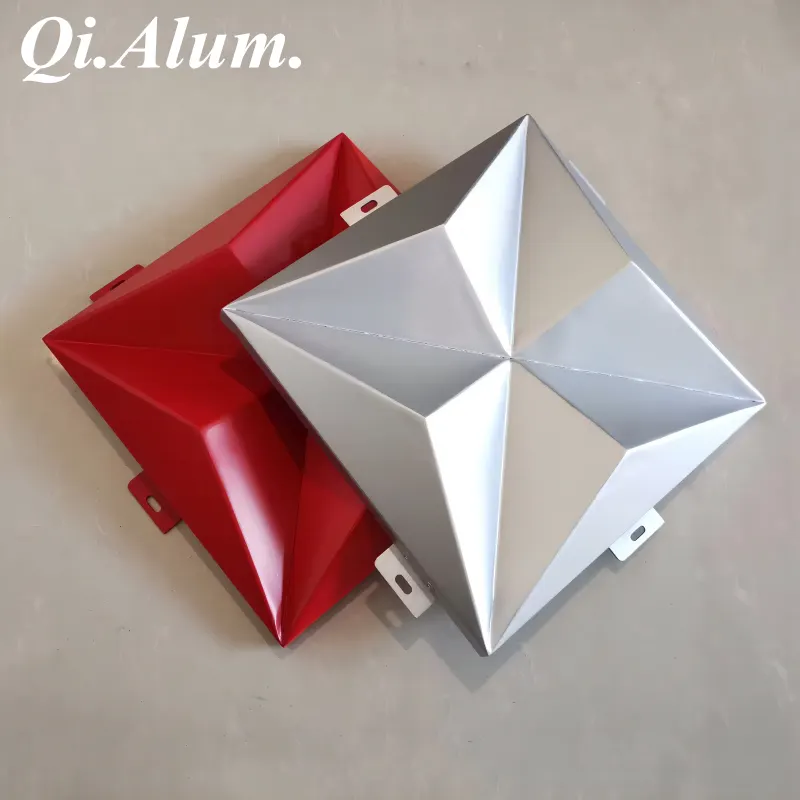
1. Lightweight and High Strength: Unlike other metal materials such as steel, aluminum panels have a lower density while maintaining a relatively high strength. This characteristic gives 3D aluminum panels an advantage in applications where strength is crucial, but lightweight materials are required.
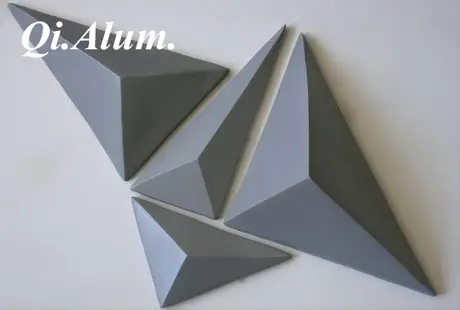
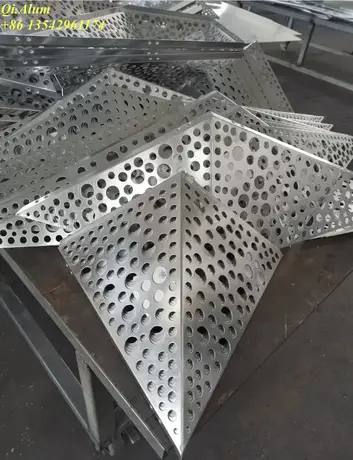
2. Excellent Machinability: Aluminum panels exhibit exceptional malleability and machining properties, enabling them to be processed into various shapes and forms through processes like casting, stretching, and bending. This versatility makes 3D aluminum panels widely used in the manufacturing industry.
3. Corrosion Resistance: Aluminum has excellent resistance to corrosion, allowing it to withstand prolonged exposure to humid and corrosive environments. As a result, 3D aluminum panels are highly durable and suitable for outdoor applications and marine engineering projects.
4. Good Thermal and Electrical Conductivity: Aluminum is known for its exceptional thermal and electrical conductivity, making it an ideal choice for applications such as electronic products and heat sinks. 3D aluminum panels play a significant role in these fields due to their excellent thermal management and electrical properties.
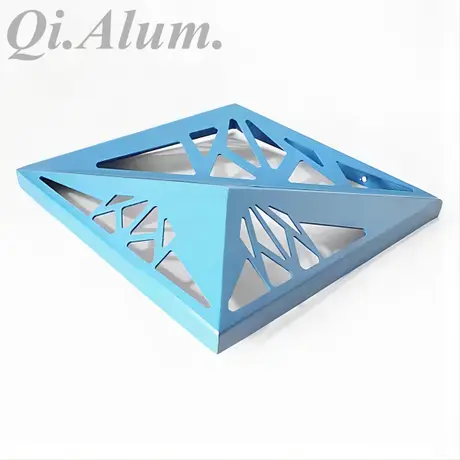
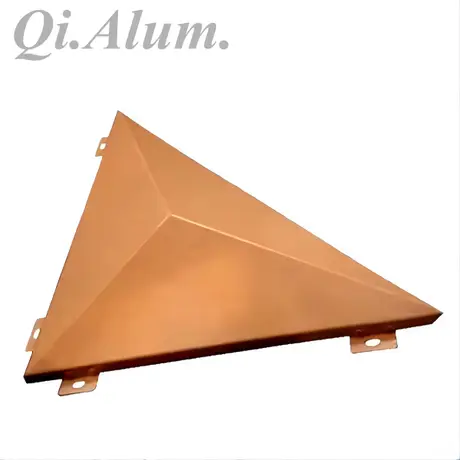
5. Convenient Surface Treatment: Aluminum panels offer ease in various surface treatments such as anodizing, spraying, and electroplating. These treatments enhance the corrosion resistance, aesthetics, and mechanical performance of the panels, making them highly versatile and adaptable for different industrial needs.
6. Recyclability: Aluminum is a recyclable material, and 3D aluminum panels can be easily recycled and repurposed. This not only complies with environmental requirements but also contributes to resource conservation and reduces environmental pollution.
In conclusion, 3D aluminum panels possess the unique characteristics of being lightweight yet strong, having excellent machinability, corrosion resistance, thermal and electrical conductivity, convenient surface treatment options, and recyclability. These panels have found extensive applications in industries such as manufacturing, construction, electronics, and many others.