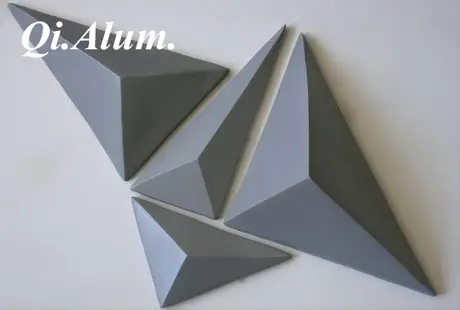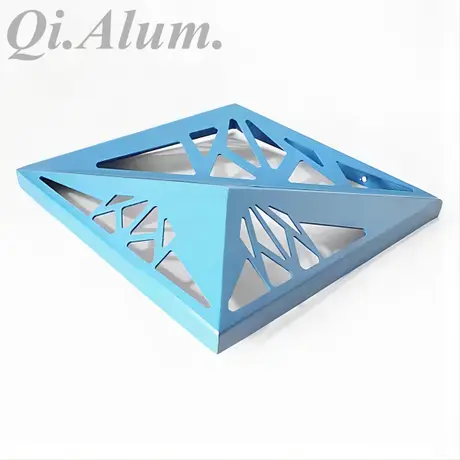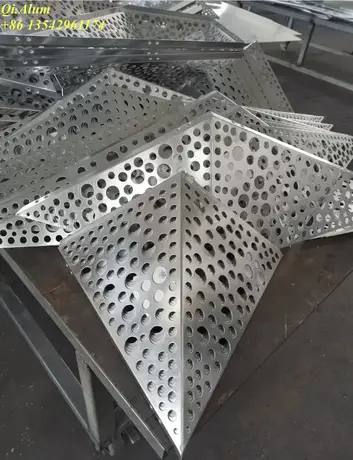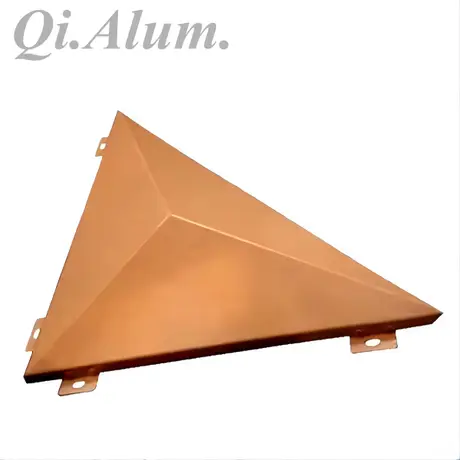
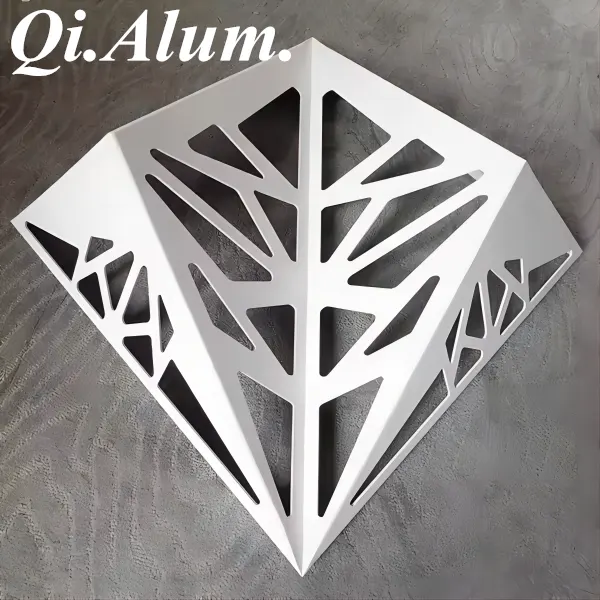
2. Excellent Processability: Aluminum panels exhibit excellent plasticity and processability, allowing them to be easily molded into different shapes through methods such as die-casting, stretching, and bending. This versatility in manufacturing makes 3D aluminum panels widely used in the industrial sector.
3. Corrosion Resistance: Aluminum naturally possesses exceptional resistance to corrosion, enabling it to withstand prolonged exposure to humid or corrosive environments. This makes 3D aluminum panels suitable for outdoor and marine engineering applications, offering a longer lifespan and durability.
4. Good Thermal and Electrical Conductivity: With its excellent thermal and electrical conductivity, aluminum is an ideal material for applications in the electronics industry and heat sinks. The unique properties of 3D aluminum panels contribute significantly to their use in electronic products, ensuring efficient heat dissipation and electrical conductivity.
5. Convenient Surface Treatment: Aluminum panels are easily subjected to various surface treatments such as anodization, spray coating, and electroplating. These treatments enhance the panels’ resistance to corrosion, improve their aesthetics, and enhance their mechanical properties.
6. Recyclability: One of the most significant advantages of aluminum is its recyclability. 3D aluminum panels can be easily recycled and reused, aligning with environmental protection requirements and contributing to resource conservation while reducing environmental pollution.
To summarize, 3D aluminum panels offer a range of benefits such as lightweight strength, excellent processability, corrosion resistance, good thermal and electrical conductivity, convenient surface treatment, and recyclability. These unique characteristics make them an ideal choice for various industries and applications.