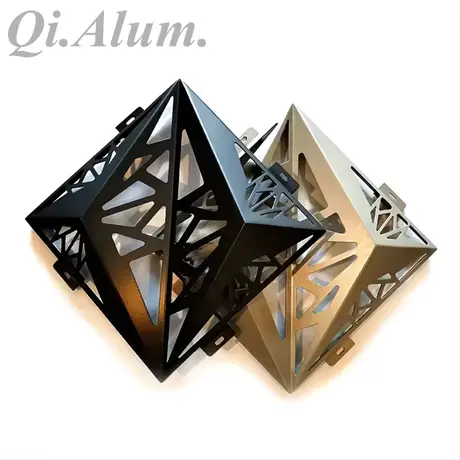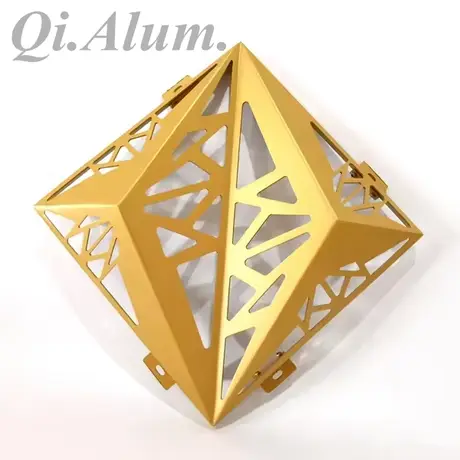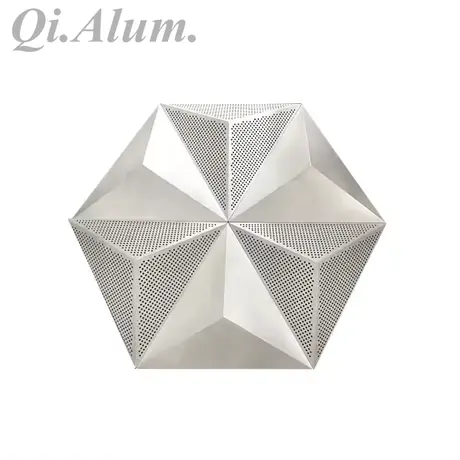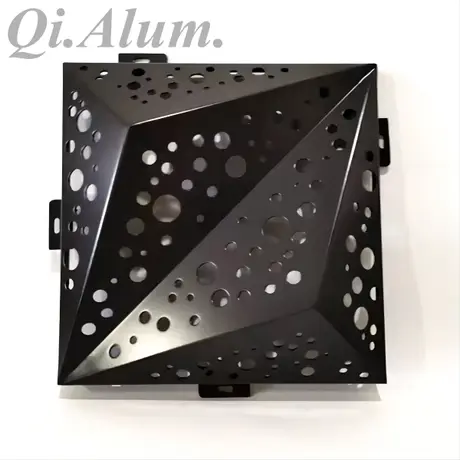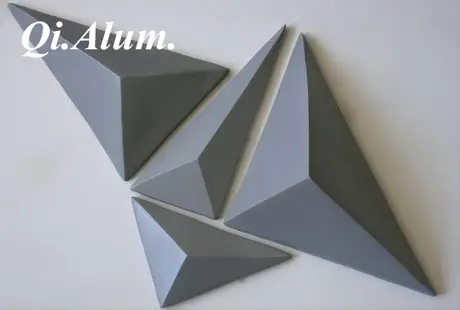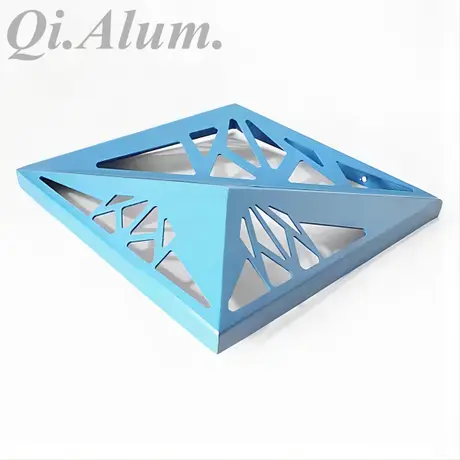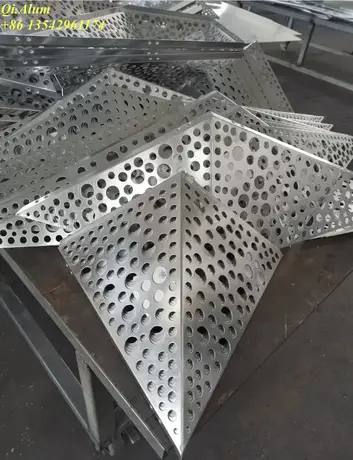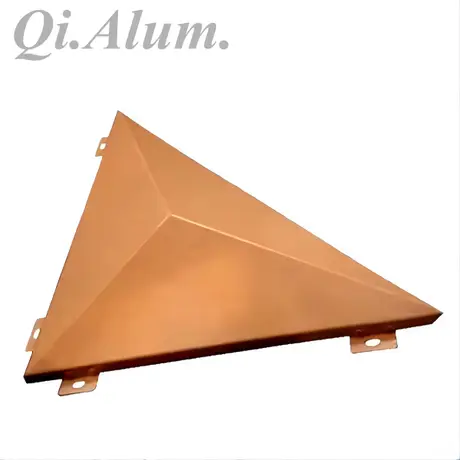
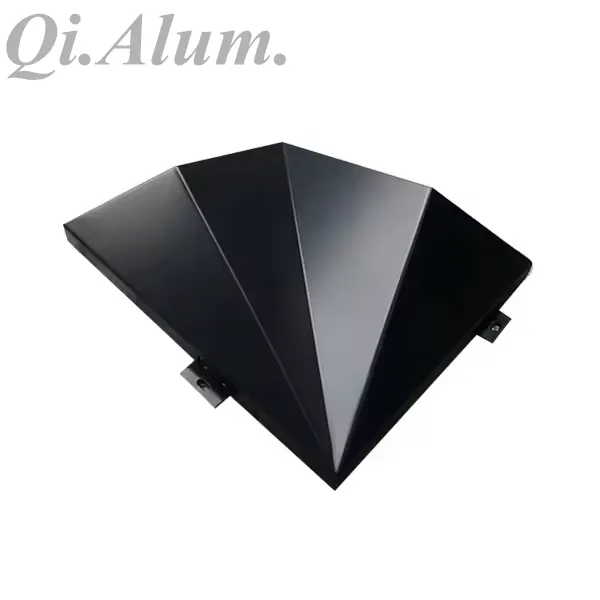
2. Excellent Processing Performance: Aluminum panels demonstrate great plasticity and processing capabilities. They can be shaped into various forms through processes like die casting, stretching, and bending, making 3D aluminum panels widely used in manufacturing industries.
3. Corrosion Resistance: Aluminum exhibits excellent resistance to corrosion and can withstand harsh, corrosive environments, even when exposed to moisture. This characteristic imparts a longer lifespan to 3D aluminum panels, allowing them to thrive in outdoor and marine engineering applications.
4. Good Thermal and Electrical Conductivity: Aluminum is known for its excellent thermal and electrical conductivity. Therefore, 3D aluminum panels find significant applications in the fields of electronics and heat dissipation systems.
5. Convenient Surface Treatment: Aluminum panels offer a surface that can be easily treated through processes such as anodization, spray coating, and electroplating. These treatments enhance the panels’ corrosion resistance, aesthetics, and mechanical properties.
6. Recyclability: Aluminum is a highly recyclable material, and 3D aluminum panels can be recycled and reused, aligning with environmental requirements. This promotes resource conservation and reduces environmental pollution.
To sum up, 3D aluminum panels possess the unique qualities of lightweight and strength, excellent processing performance, corrosion resistance, good thermal and electrical conductivity, convenient surface treatment, and recyclability. These features make them an ideal choice for a wide range of applications.