Mercedes-Benz
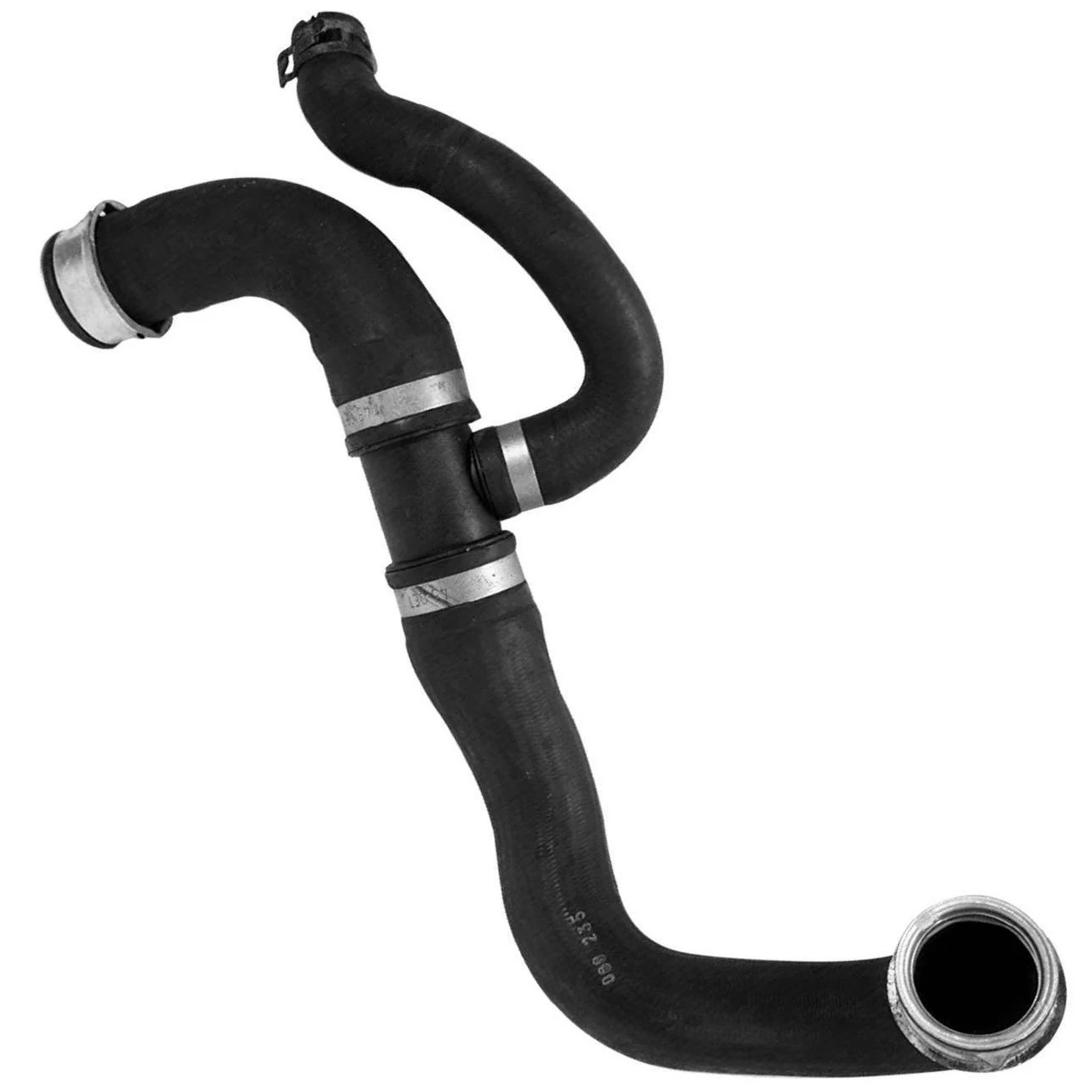
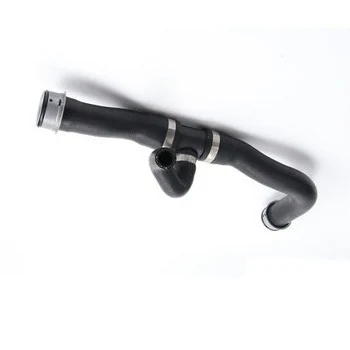
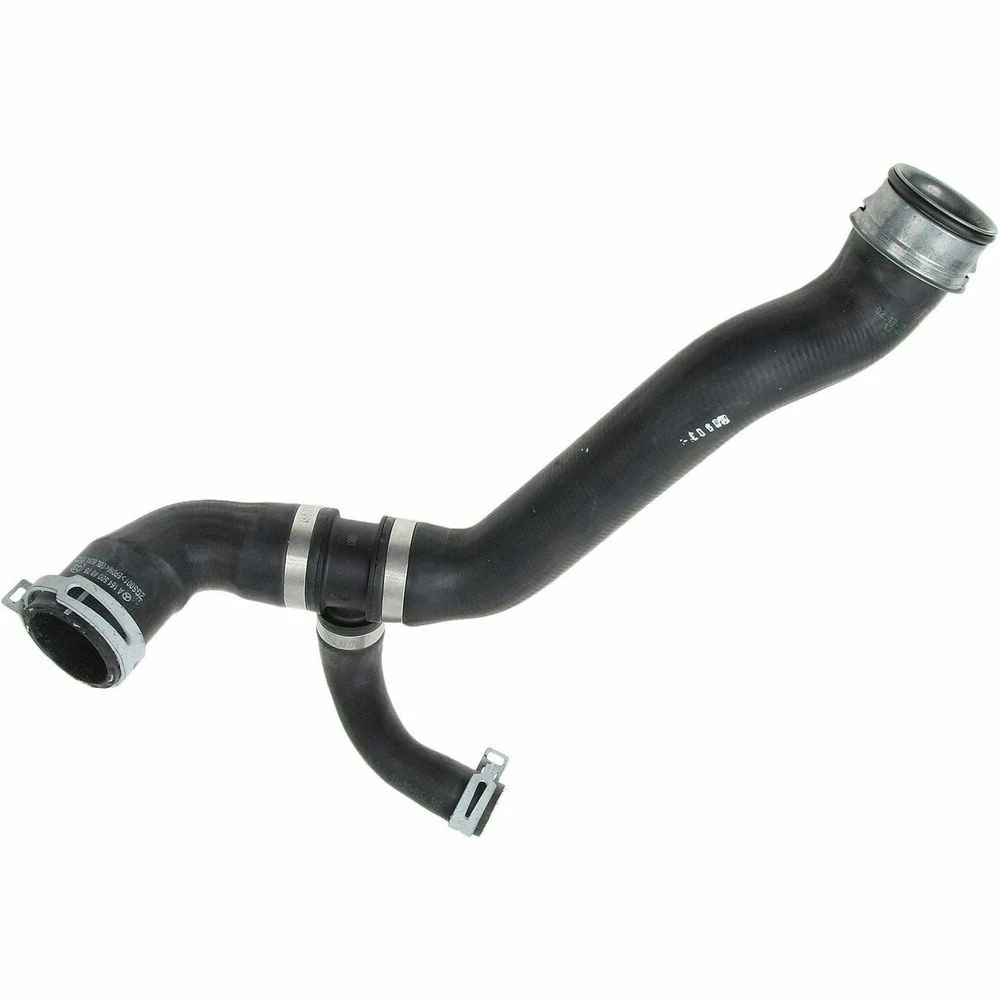
Radiator Hose Foe Mercedes-Benz OEM 2115017582

Coolant hoses rarely burst without warning. They tell you what is wrong first, if you know what the symptoms mean.
Coolant hoses and radiator hoses live under pressure, heat cycling and vibration, and they fail progressively. Reading the failure correctly matters because the same symptom can point at the hose, at the clamp or at the part on the other end of it.
A quick-connect collar that weeps is usually a seal problem, not a hose problem. Replacing the hose without replacing the seal moves the leak rather than fixing it. On references that ship with a seal, use the new one.
A hose that swells when the system is hot has lost its reinforcement. It is on borrowed time and will fail at the worst moment. This is the failure mode that strands vehicles, and it is visible ten minutes before it happens if anybody looks.
The lower radiator hose sees suction at high rpm. A hose that has softened collapses under that suction, which starves the pump and produces overheating that comes and goes with load. Squeeze it cold: a hose that does not spring back is finished.
Where a hose runs close to a hot casting, one side of the wall ages faster than the other. The hose looks fine from above and cracks the moment it is flexed for removal.
Any hose crossing a shroud or a bracket wears from the outside. This is a routing problem as much as a hose problem —fit the new hose in the original path and check the clearance before closing the bonnet.
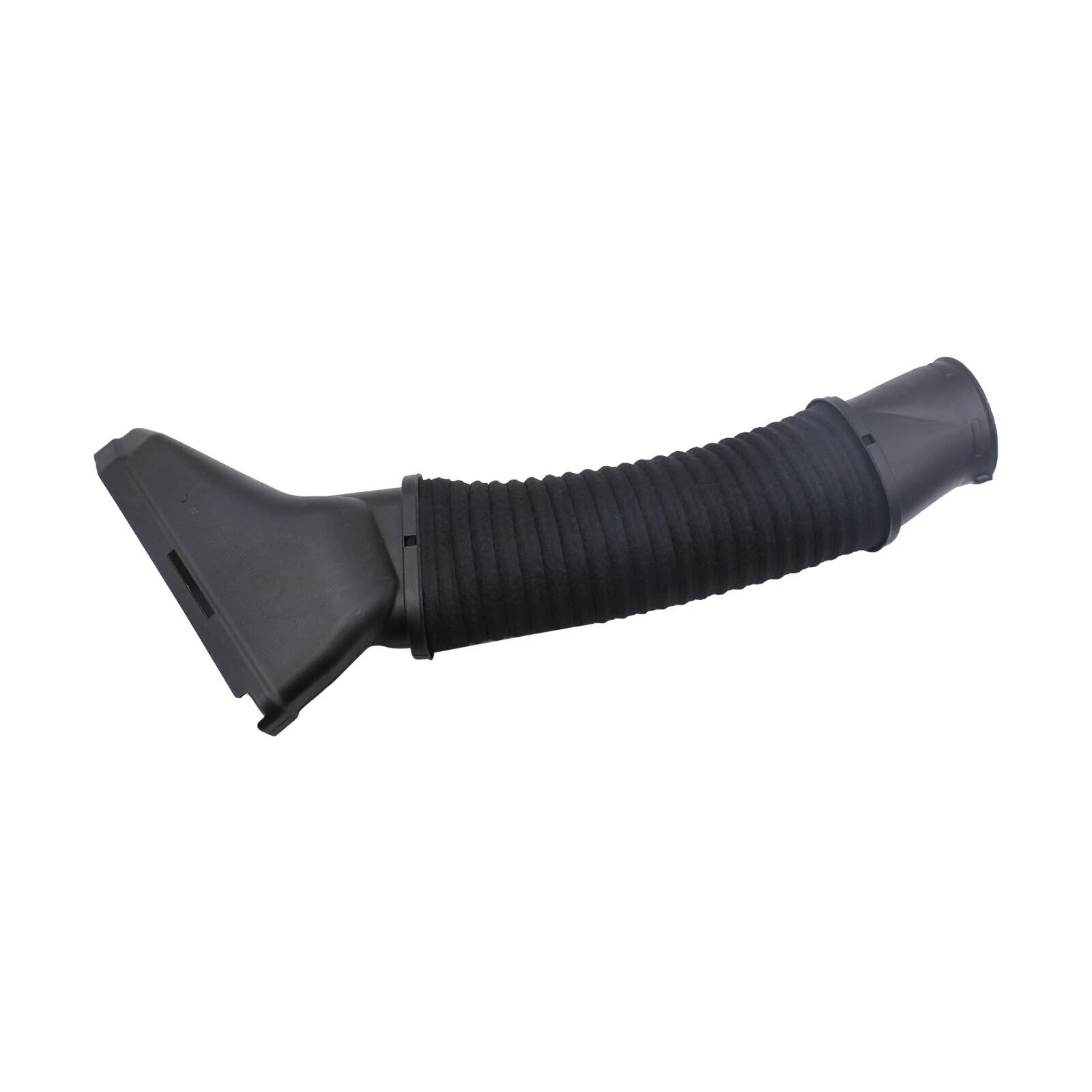
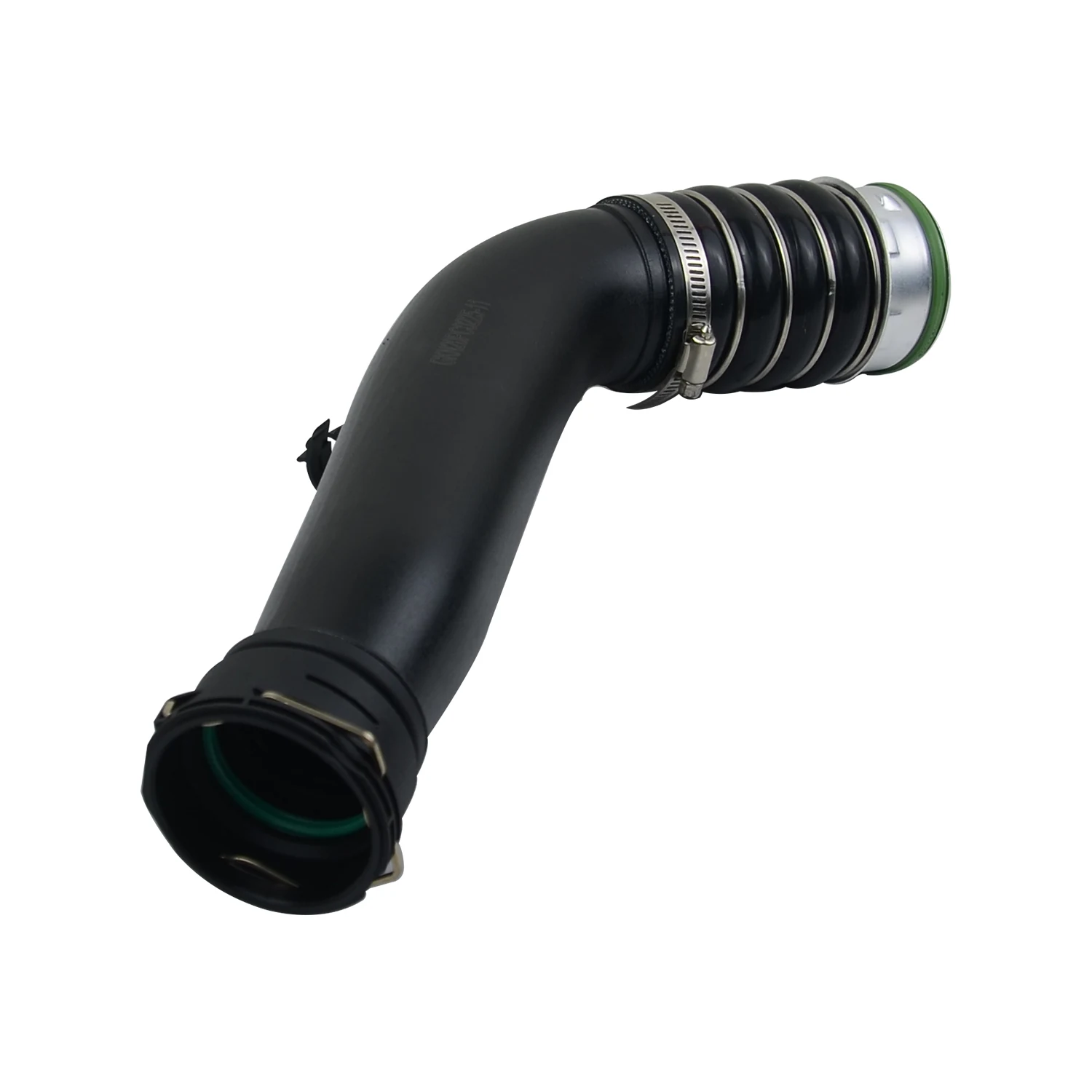
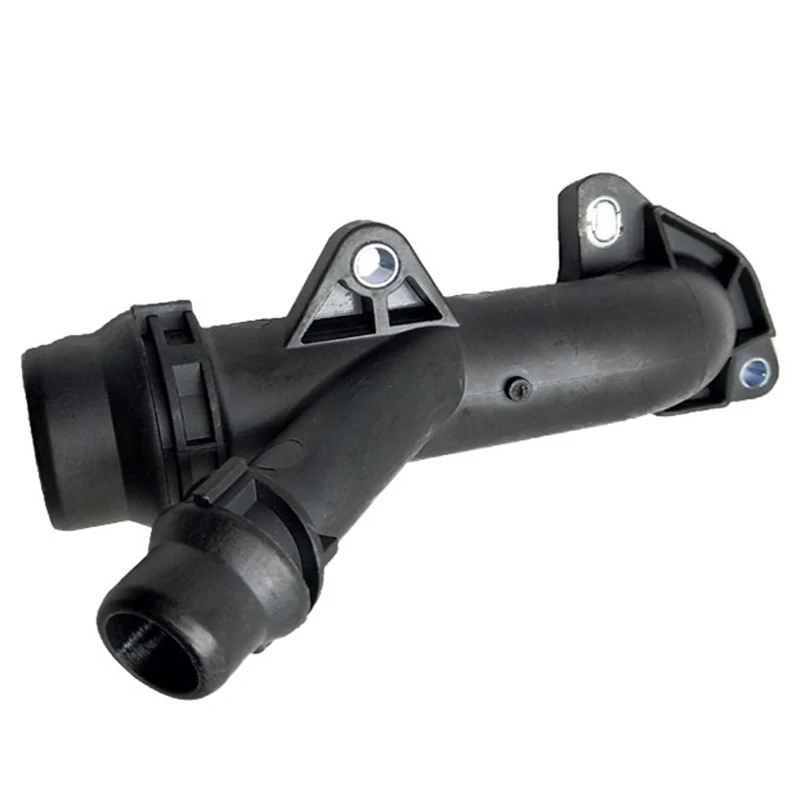
Cooling repairs that stop at one part usually come back. The branch that failed is the same age as its neighbours, which is the practical reason buyers order Radiator Hoses, Coolant Hoses and Thermostat Assemblies references on one order. Radiator Hose Foe Mercedes-Benz OEM 2115017582 is a representative reference from the published range.
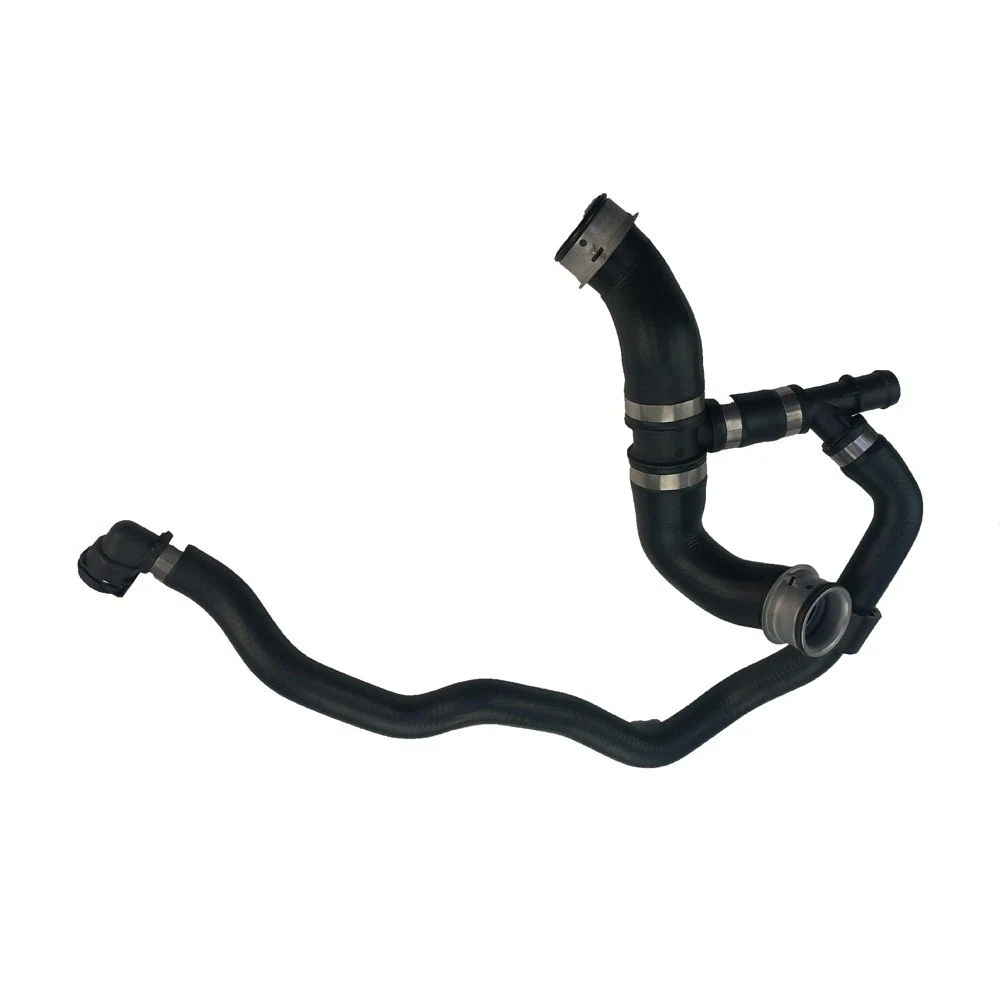
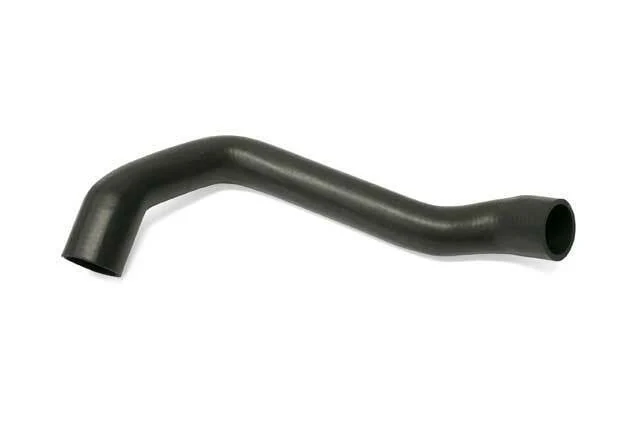
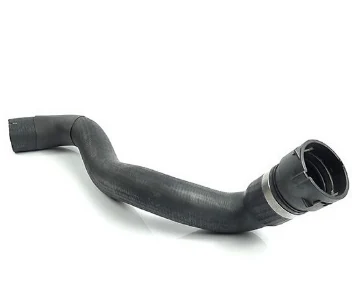
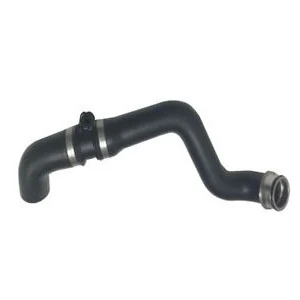
Long enough that nobody replaces them on schedule, and not long enough to ignore. Heat cycles rather than mileage drive the ageing.
Reuse the clamp style the platform was designed around and replace any clamp that has distorted. Over-torquing a new clamp on a new hose causes its own leak.
Topping up hides a failure that is still progressing, and on modern engines it also dilutes the corrosion package in the coolant.
Because the system is only pressurised when hot. A cold pressure test finds what a visual check misses.
That is the normal way this range is bought —the hoses, the flange and the thermostat housing on one order and one packing list.
Email the number with the vehicle details and you get an answer rather than a catalogue link.