Nitrile, latex or vinyl: choosing an examination glove
Three materials, three different failure modes. The right answer depends on what the glove has to survive and who has to wear it.
Start from the hazard, not the price
A glove is a barrier with a service life measured in minutes. Ask what it has to keep out — blood, solvent, food residue, static — and how long it stays on. A glove that is changed every three minutes in a kitchen is solving a completely different problem from one worn through a forty-minute procedure.
Nitrile
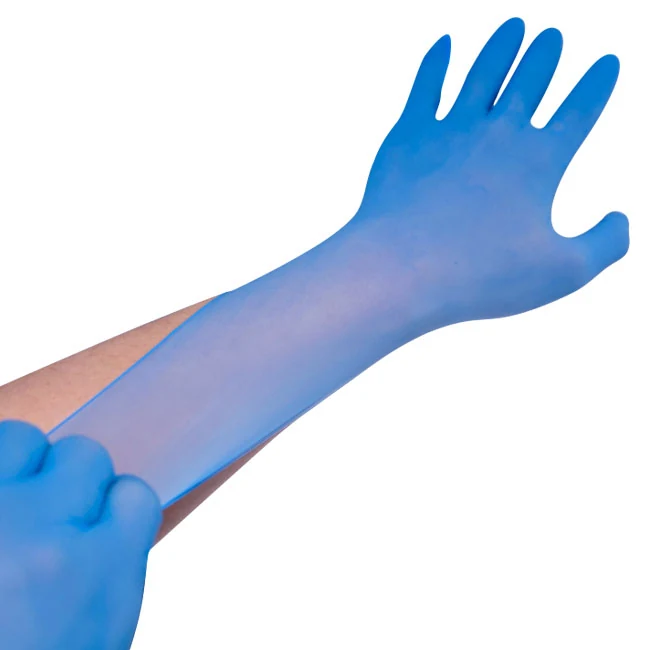
Synthetic, latex-protein free, and the strongest of the three on puncture and chemical resistance. It has become the clinical default for exactly that reason. Textured and finger-textured finishes give grip on wet instruments. It costs more than vinyl and, historically, more than latex.
Latex
Natural rubber. Still the best on elasticity, fit and tactile feedback, and usually the cheapest to make. The problem is type I allergy to residual latex proteins, in wearers and in patients, which is why many organisations have removed it entirely regardless of performance.
Vinyl
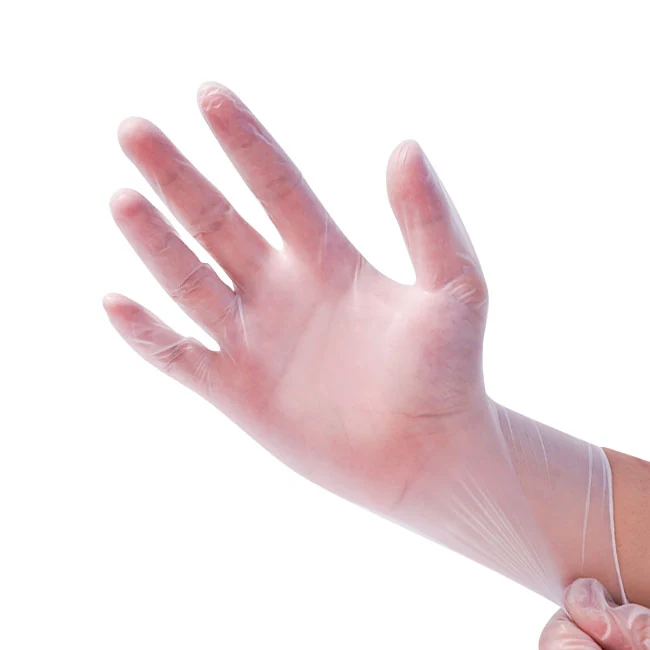
Synthetic polymer, inelastic, lowest cost. Right for short, low-risk, high-turnover tasks — food handling, retail, light assembly. Wrong wherever the glove is stretched, stressed or relied on as a serious barrier, because it tears rather than stretching.
Powdered or powder-free
Powder was used to make donning easier. It also carries latex proteins into the air and contaminates work surfaces, and powdered surgical gloves are banned in several markets. Unless you have a specific reason, specify powder-free.
Where this applies in the catalogue
The guidance above is general. Applied here, it lands hardest on the disposable gloves family.