
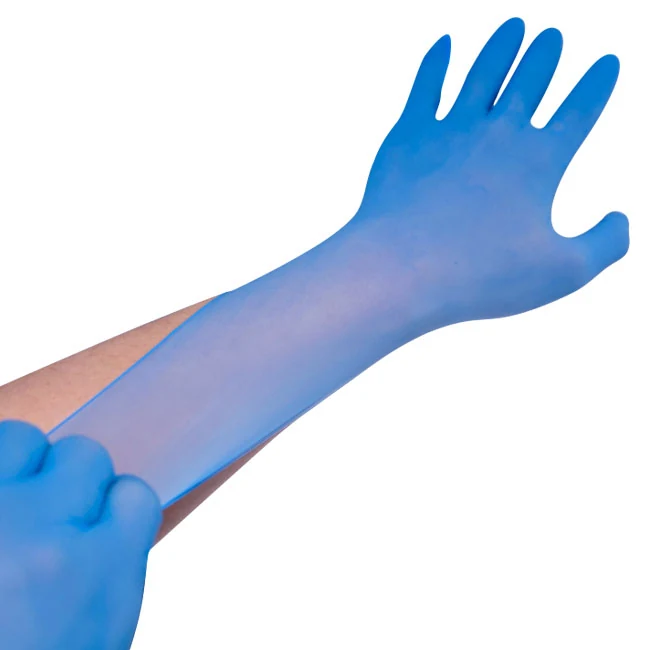
Dental & Laboratory
Dentistry needs tactile feedback and barrier performance together; laboratories often need the glove to be silicon-free.
What usually goes wrong
Dental and laboratory work asks two opposite things of a glove: enough sensitivity to work by feel, and enough barrier to handle blood, solvents and reagents. A glove chosen for one usually disappoints on the other.
How this range answers it
Nitrile is the usual compromise: the published lines here describe good stretch and tactile sensitivity close to latex, with textured and finger-textured surfaces available for grip on wet instruments. Latex still has the edge on pure feel and is the cheaper material, which is why it survives in practices whose allergy policy allows it.
Vinyl has a specific laboratory use the old site calls out directly: silicon-free, with antistatic properties, which is why it appears in electronics production as well as in examination. It is also the least elastic of the three, so it is the wrong choice where the glove has to stretch and stay intact.
Where to start
Products that fit this buyer
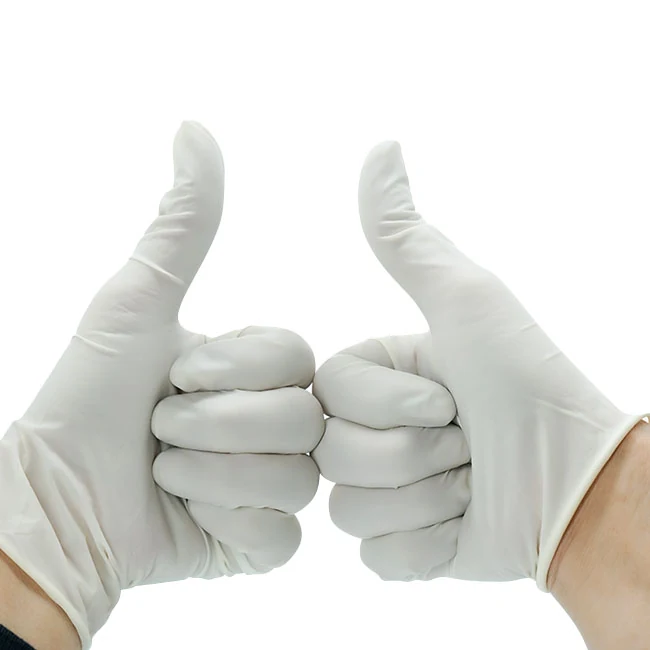
Disposable Latex Exam Glove
Natural latex, CE marked — best fit and feel, at the allergy trade-off
View product →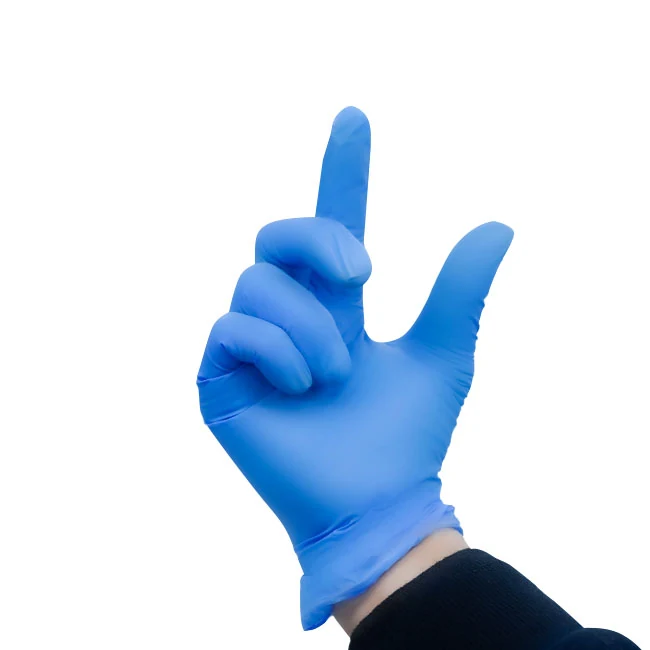
Disposable Nitrile Examination Glove
The clinical default — FDA-510K, ASTM D6319 and EN455 on one glove
View product →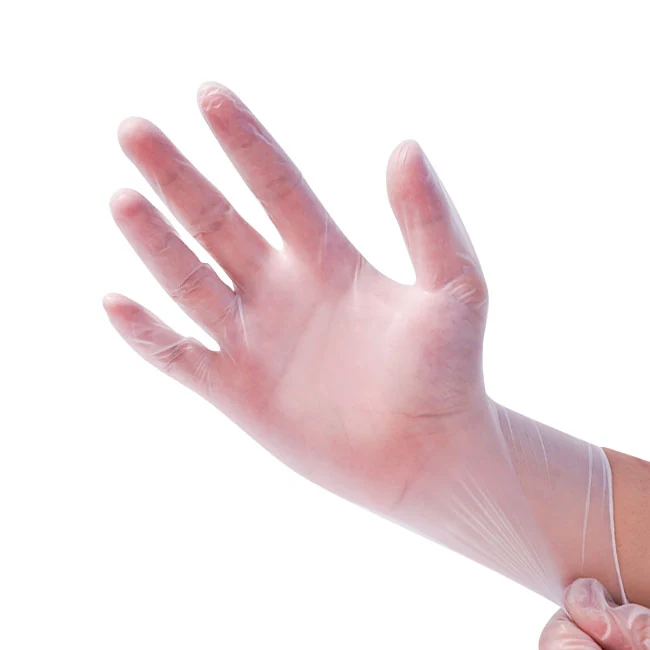
Disposable Vinyl Exam Glove
The low-cost, silicon-free, antistatic option
View product →Powder Free Disposable Nitrile Glove
The volume nitrile line, and the one held in US stock
View product →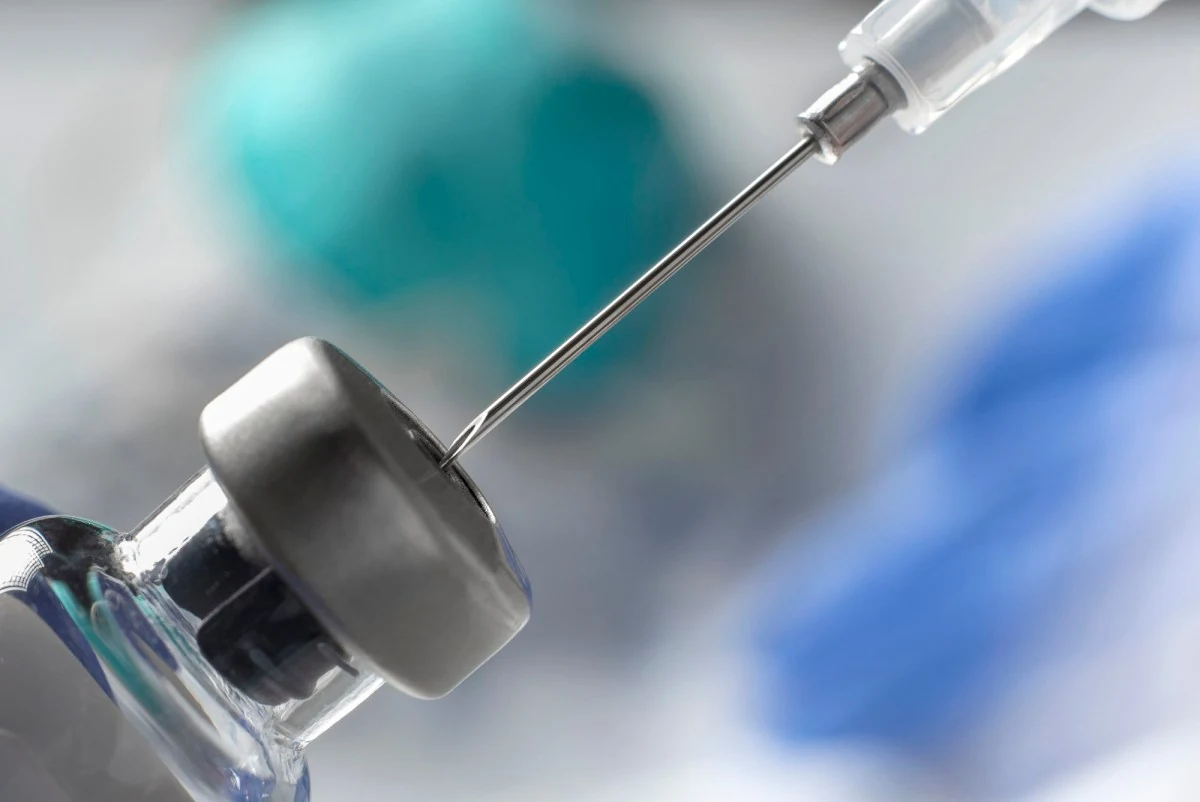
Disposable Syringe Needle
The only sterile line here — CE, FDA and ANVISA
View product →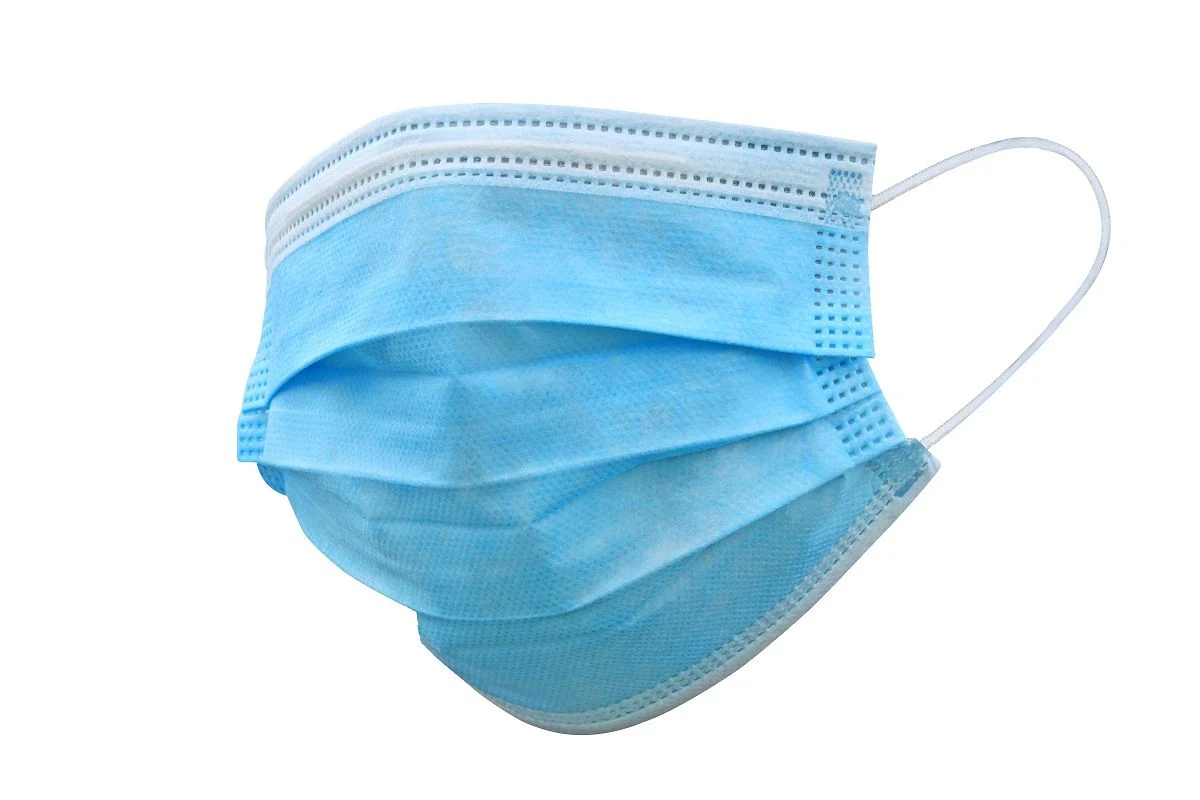
Disposable Medical Face Masks (3-ply, non-sterile)
Medical grade — YY/T 0969-2013 and CE EN 14683
View product →Other buyers we supply
Tell us what you are buying for
Name the setting and the standard your policy or tender requires, and we will point you at the line that actually meets it.