
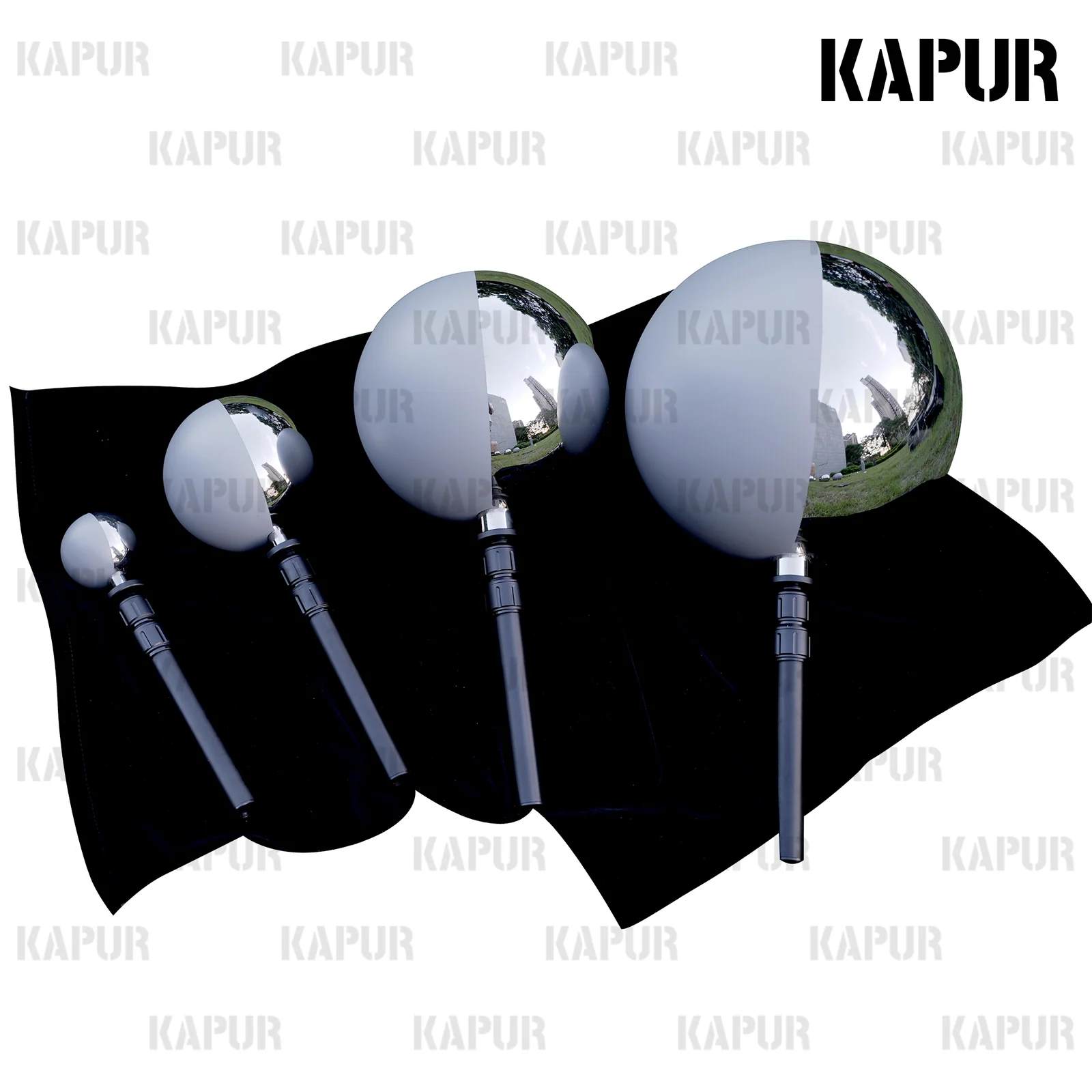
How Large Sculptures Are Crated for Sea Freight
Why Inner Lining Matters on Polished Surfaces
Mirror-polished stainless steel and glass-like finishes show every scratch. Inner plastic or foam padding prevents contact between the sculpture and crate walls during transit. Without it, even minor movement can leave marks that require on-site repolishing.
How Oversize Pieces Are Handled in Crates
Large sculptures exceeding standard shipping dimensions are built in sections if needed. The crate is designed to hold each part securely, with internal bracing to prevent shifting. This allows safe transport of pieces that cannot fit in a standard container.
Sectional Shipping and Onsite Reassembly
For sculptures too large to ship whole, Kapur fabricates them in modular sections. Each part is crated separately with alignment markers and connection details. Onsite reassembly is straightforward when the parts are clearly labelled and the joints are pre-fitted.
Total Programme from Order to Site Arrival
The total timeline is 25 to 30 days for production, followed by 15 to 20 days of sea transport. This gives a total lead time of 40 to 50 days from order confirmation to site arrival. Planning should begin at least two months before the installation date.
What to Check on Arrival Before Signing
Inspect the crate for visible damage before opening. Check the sculpture for dents, scratches, or finish changes. Verify that all sections are present and that the internal padding is intact. Document any issues immediately with photos.
How Photo Records Before Loading Help Claims
Kapur takes digital photos of the sculpture at every stage, including final inspection and loading onto the vessel. These records are provided to the buyer and serve as proof of condition before shipment, which is essential for any damage claim.
Why Crate Integrity Is Part of the Quality Check
The wooden crate must be strong enough to withstand stacking, lifting, and long-term exposure to humidity. Kapur ensures the crate is built to standard export specifications and inspected before loading, so it protects the sculpture throughout the journey.
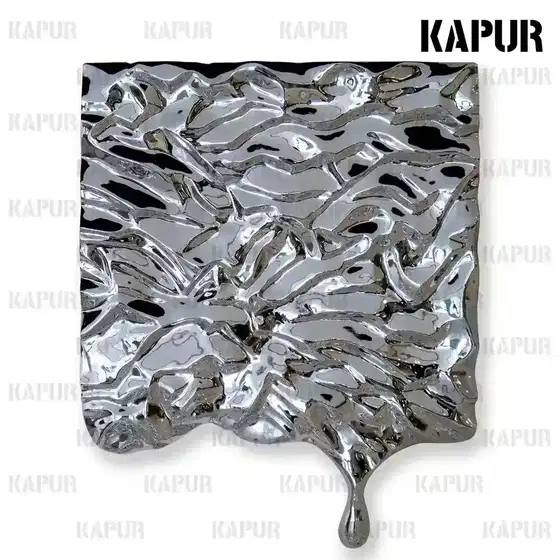
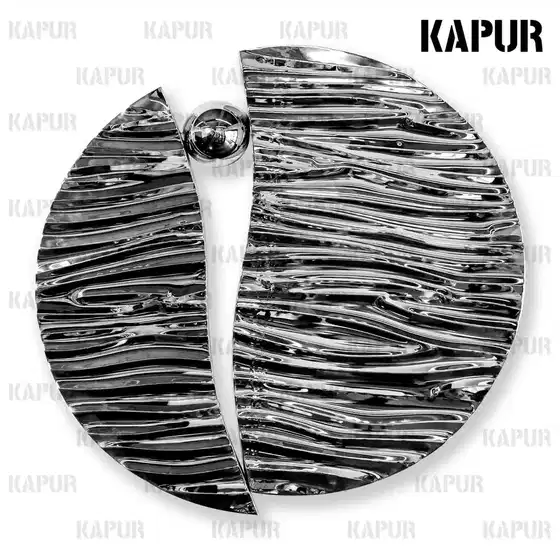
Sculpture Covered in This Guide






Related Reading
304 vs 316 Stainless Steel for Outdoor Sculpture
Read guideHow Corten Steel Sculpture Develops Its Patina
Read guideMirror Polished vs Brushed Stainless Steel Finish
Read guideFiberglass or Metal Which Sculpture Material to Specify
Read guideFoundations and Anchoring for Outdoor Sculpture
Read guideMaintaining a Stainless Steel Sculpture Outdoors
Read guideWhat to Send When Requesting a Sculpture Quote
Read guideQuestions on This Topic
Can the sculpture be shipped as one piece?
Yes, if it fits within standard shipping dimensions. Larger pieces may need to be shipped in sections for safety and compliance with freight regulations.
Is the inner padding reusable?
No. The plastic or foam is removed after uncrating and not returned. It is used solely to protect the sculpture during transit.
What happens if the crate is damaged on arrival?
Report the damage immediately. Kapur provides photo records from before loading, which support claims with the freight forwarder or insurer.
Do you provide crate diagrams or assembly instructions?
Yes. For sectional sculptures, we include alignment marks and connection details. Full assembly instructions are available on request.
Can I send my own packing materials?
No. Kapur uses standard export wooden crates with inner lining to ensure consistent protection. Custom packing is not accepted.
How long does it take to load the sculpture onto the vessel?
Loading is scheduled after final inspection. The process is coordinated with the shipping line and typically takes one day once the crate is ready.
Do you inspect the crate before loading?
Yes. The crate and its contents are inspected at the factory before loading. Digital photos are taken and shared with the buyer.
Ask Us About Your Own Project
A guide can only go so far. Send the site details and we will tell you what we would specify and why.