
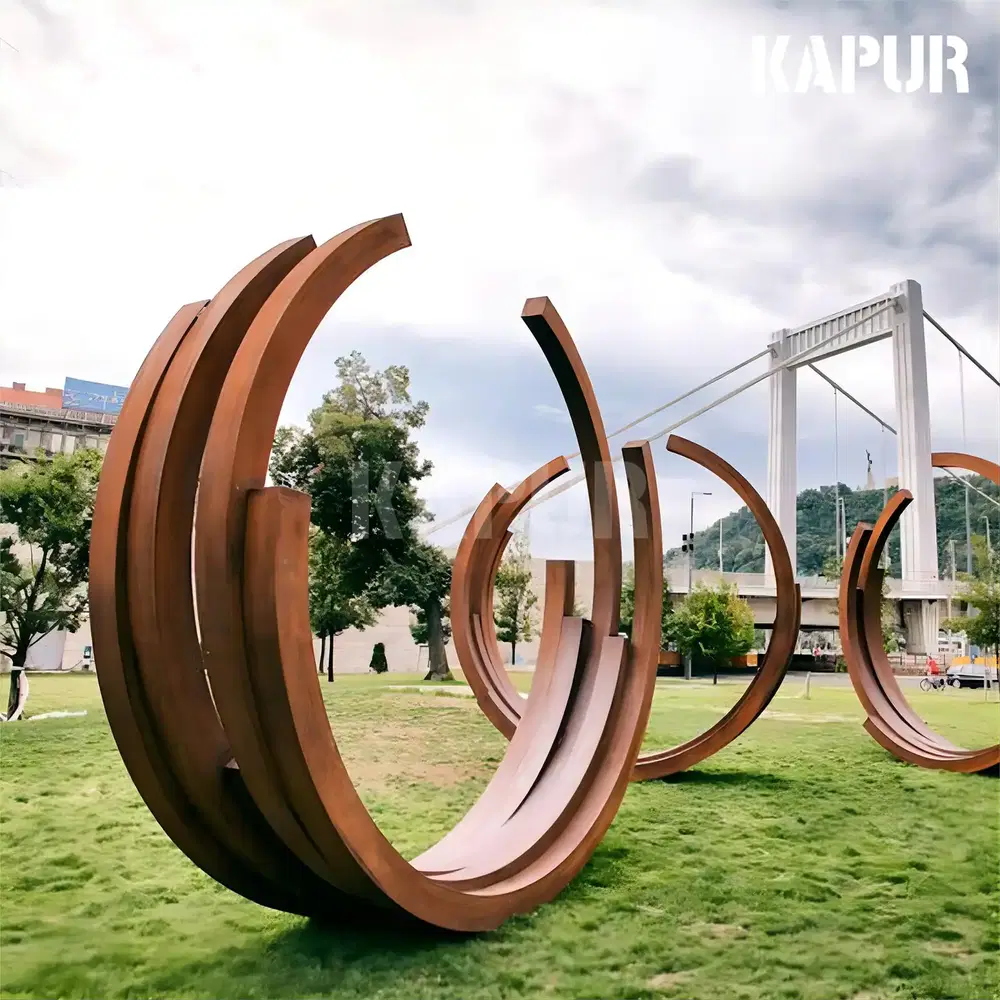
How Corten Steel Sculpture Develops Its Patina
What Happens During the Weathering Period
Corten steel begins to develop its characteristic patina after exposure to moisture and air. The initial surface rusts within days to weeks, depending on humidity and rainfall. This is not failure but the start of a stable protective layer forming over the steel.
How the Colour Changes Over Time
The surface evolves from raw steel grey to orange-brown, then to deep russet and eventually a stable dark brown. The change takes 6 to 12 months under normal outdoor conditions, with full patina development typically reached within 18 months.
Runoff Staining on Light Paving
During the first few months, wet corten steel can drip rust-coloured runoff. This may stain light-coloured concrete, stone, or paving. Plan for temporary protection under the sculpture or use a drip tray if the surface is near sensitive materials.
Why Sealing Is Not Recommended
Sealing the surface interrupts the natural weathering process and can trap moisture beneath the coating. This may lead to uneven rusting or premature failure. The patina forms only when the surface is exposed to the elements without barriers.
Siting Near Planting and Soil Contact
Corten steel can be placed near plants or in soil, but avoid direct contact with roots or wet soil for extended periods. The runoff from the sculpture may affect plant health, especially in small containers or shallow beds.
What to Expect After the Patina Stabilises
Once the patina is stable, the surface stops flaking and the colour becomes consistent. The sculpture will no longer drip rust, and the appearance will remain unchanged for years, provided it is not cleaned with abrasive methods.
How to Prepare for Installation
Confirm the site is dry and well-drained. Avoid placing the sculpture in a permanently shaded or enclosed area where moisture cannot escape. Provide space around the base for air circulation and runoff.
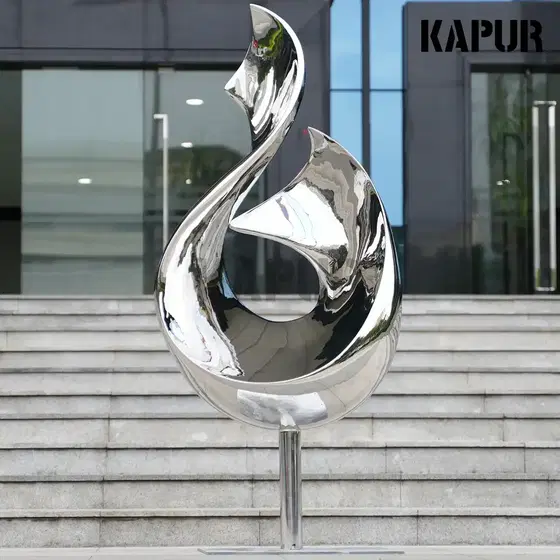
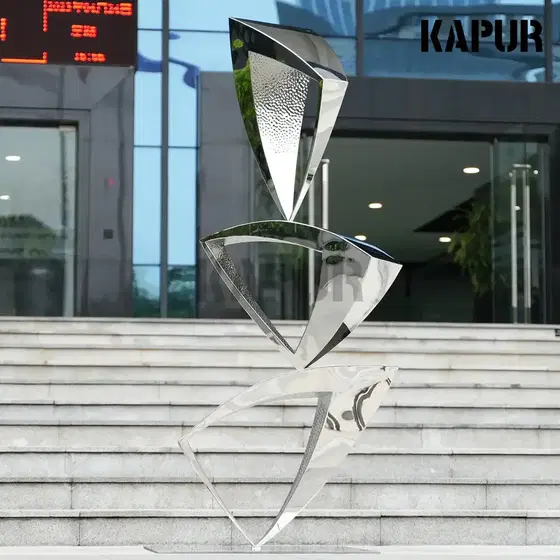
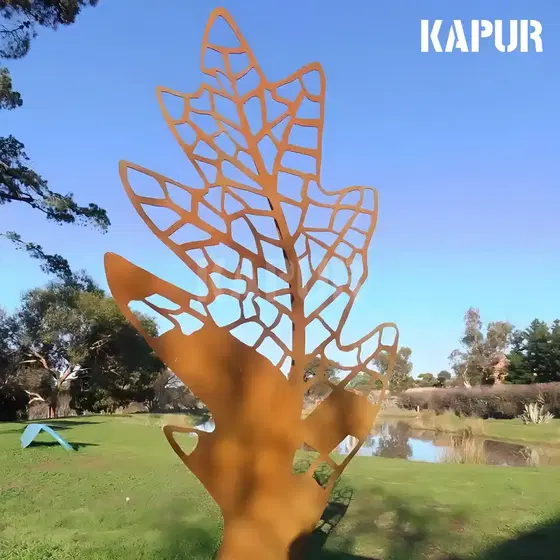
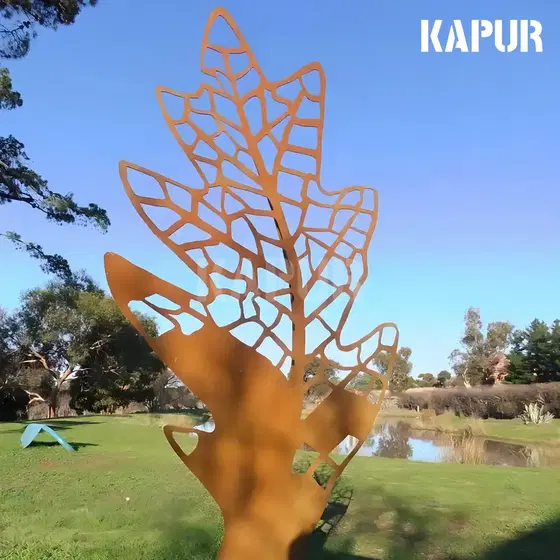
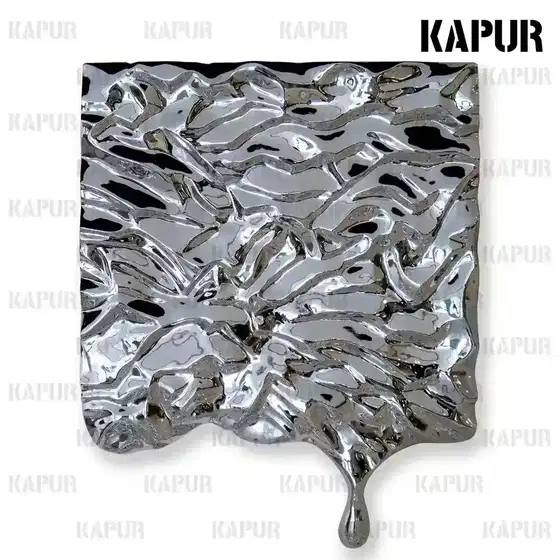
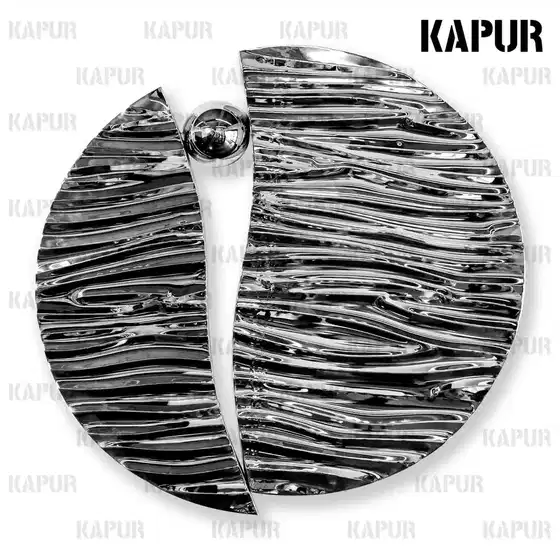
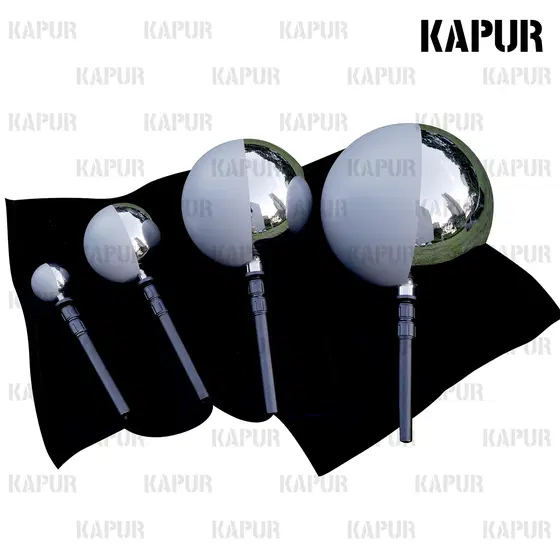
Sculpture Covered in This Guide
Related Reading
304 vs 316 Stainless Steel for Outdoor Sculpture
Read guideMirror Polished vs Brushed Stainless Steel Finish
Read guideHow Large Sculptures Are Crated for Sea Freight
Read guideFiberglass or Metal Which Sculpture Material to Specify
Read guideFoundations and Anchoring for Outdoor Sculpture
Read guideMaintaining a Stainless Steel Sculpture Outdoors
Read guideWhat to Send When Requesting a Sculpture Quote
Read guideQuestions on This Topic
Does corten steel need maintenance?
It requires no maintenance beyond occasional cleaning of debris. Do not use abrasive cleaners or pressure washers, as they can remove the protective patina.
Can I speed up the patina development?
No. The process is chemical and depends on natural exposure. Accelerating it with water or chemicals disrupts the formation of the stable layer.
Will the sculpture stain nearby surfaces?
Yes, during the first 6 to 12 months, wet runoff can stain light paving. Use drip trays or temporary barriers during this period.
Should I seal the surface to prevent rust?
No. Sealing prevents the formation of the protective patina and can lead to trapped moisture and uneven corrosion.
Can corten steel be used indoors?
Yes, but only if the environment is dry and well-ventilated. Indoor exposure to moisture or humidity may trigger rusting without full weathering.
How long does it take for the patina to form?
The process begins within weeks and stabilises in 12 to 18 months under normal outdoor conditions.
Can I change the finish after weathering?
No. Once the patina forms, it cannot be removed without damaging the surface. The appearance is permanent after stabilisation.
Ask Us About Your Own Project
A guide can only go so far. Send the site details and we will tell you what we would specify and why.