
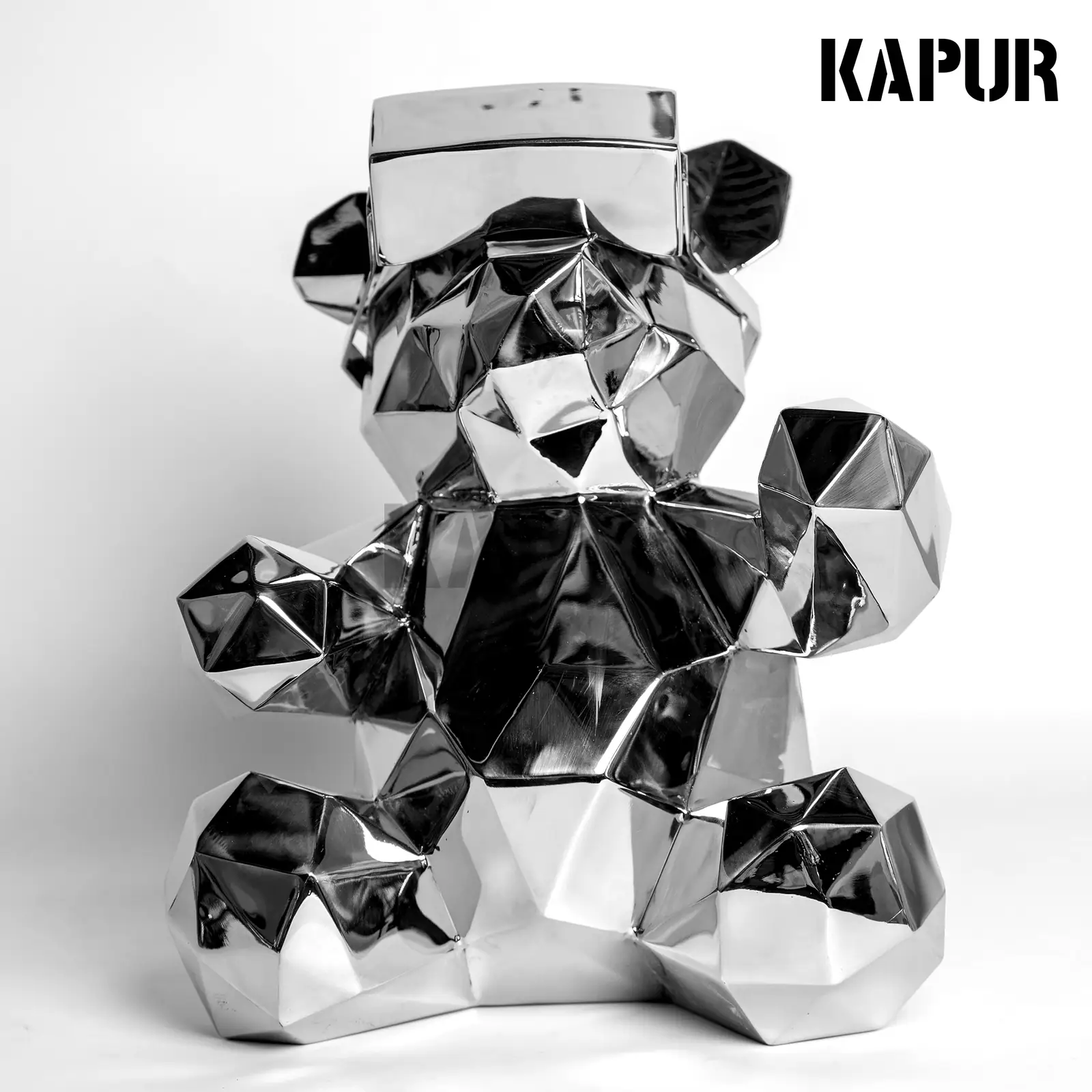
304 vs 316 Stainless Steel for Outdoor Sculpture
Why the Grade Question Comes Up Late
Most sculpture enquiries settle the form first and the material second, which is the wrong order for anything going outdoors. The source of nearly every disappointing outdoor finish is a grade chosen on price rather than on where the piece will actually stand. Kapur works in both 304 and 316 stainless steel and picks between them against the installation environment, so it is worth understanding the difference before the drawing is signed off.
What Separates 304 From 316 in Practice
Both grades resist corrosion far better than painted carbon steel, and both take the same mirror or brushed finishes. The practical difference shows up where chlorides are present. Sea air carries them, and so does road salt in a cold climate. On an inland plaza the two grades will look the same for years. Within sight of the sea, 304 is the one that starts showing surface spotting first.
Tea Staining and Why Buyers Notice It
The brown discolouration that appears on coastal stainless steel is usually surface staining rather than structural corrosion. It does not weaken the piece, but on a mirror finish it is immediately visible and clients read it as rust. This is the single most common complaint on coastal installations, and it is the strongest argument for specifying 316 when the site is near water.
Cost and How to Weigh It
316 carries a material premium over 304. On a small wall panel the difference is modest. On a large welded sculpture it becomes a real line in the budget, which is why the decision deserves a proper conversation rather than a default. Weigh it against the cost of repolishing a stained piece in place, which requires access equipment and a specialist.
How to Decide for Your Site
Ask three questions. How far is the piece from salt water. Does the local authority salt the roads in winter. Is the finish mirror polished, where staining shows most, or brushed, where it shows less. Two yes answers point to 316. An inland interior lobby with a brushed finish is comfortably 304 territory.
What to Tell Your Supplier
Send the installation address or at least the distance to the coast, the intended finish, and whether the piece is sheltered or fully exposed. Kapur selects the most suitable stainless steel according to your needs, but that selection is only as good as the site information it is based on.
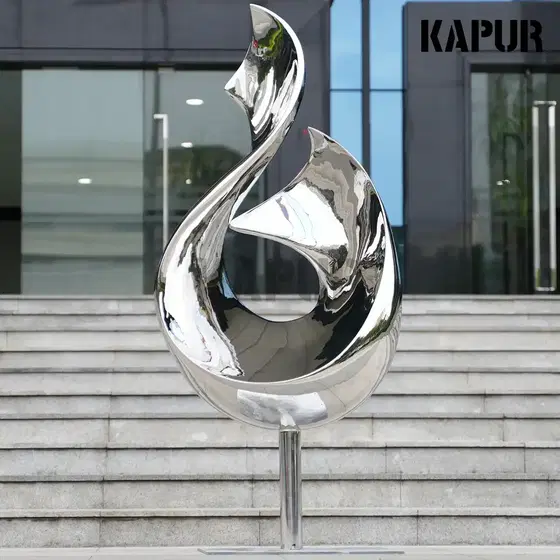
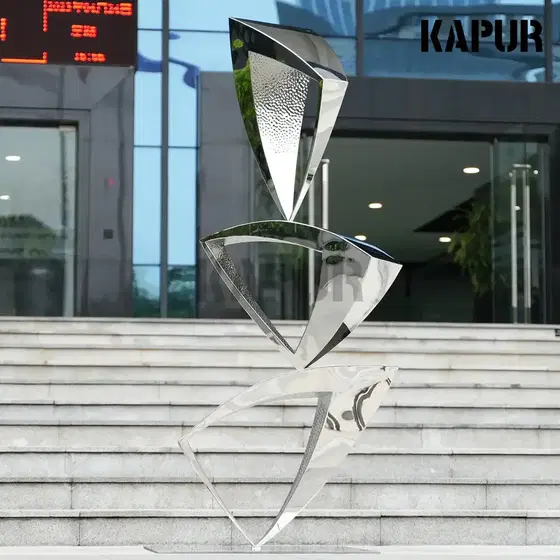
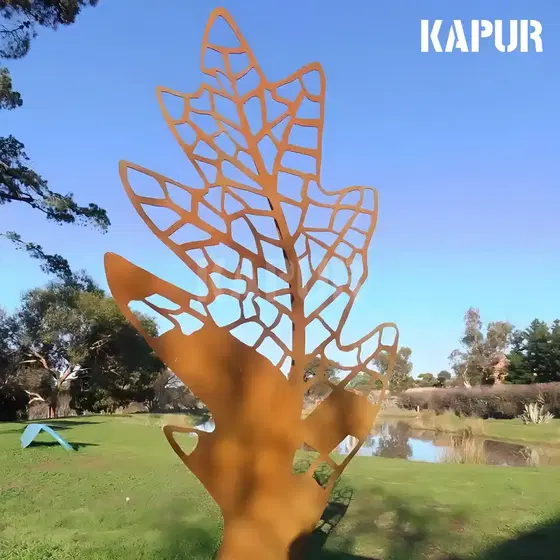
Sculpture Covered in This Guide
Related Reading
How Corten Steel Sculpture Develops Its Patina
Read guideMirror Polished vs Brushed Stainless Steel Finish
Read guideHow Large Sculptures Are Crated for Sea Freight
Read guideFiberglass or Metal Which Sculpture Material to Specify
Read guideFoundations and Anchoring for Outdoor Sculpture
Read guideMaintaining a Stainless Steel Sculpture Outdoors
Read guideWhat to Send When Requesting a Sculpture Quote
Read guideQuestions on This Topic
Is 316 always the safer choice?
It is the safer choice where chlorides are present, from sea air or de-icing salt. Inland and interior installations are normally well served by 304.
Does the grade change how the sculpture looks?
No. Both grades take the same mirror or brushed finishes and look identical when new.
Can tea staining be removed?
Surface staining can usually be polished out, but it needs access equipment and a specialist on a large piece, which is why grade choice matters up front.
Which grade does Kapur use?
Both. The common stainless steels available are 304 and 316, and the most suitable material is chosen according to your needs.
Will you tell me which grade to choose?
Yes, if you tell us where the piece will stand. Send the location, exposure and intended finish with your enquiry.
Ask Us About Your Own Project
A guide can only go so far. Send the site details and we will tell you what we would specify and why.