







Weight And Comfort
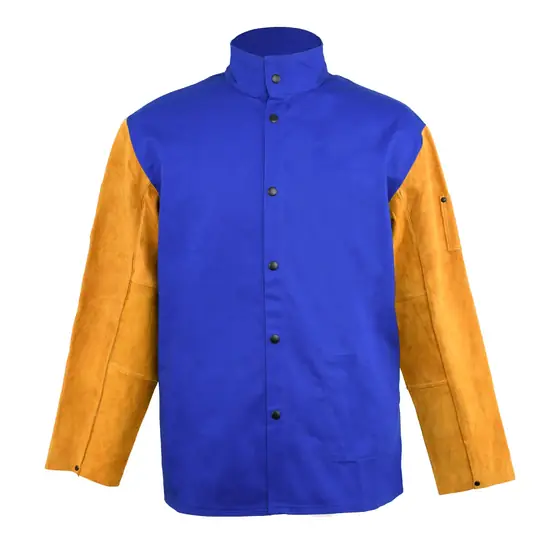
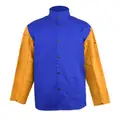
Leather is heavier than FR cotton, and the weight shows up as fatigue over a long shift. It also restricts movement in work that needs flexibility. The practical answer is to put leather only where spatter lands: the MS-1260 uses a 9 oz FR cotton body with split cowhide sleeves for exactly this reason.
See the MS-1260 FR Cotton Leather Sleeve Welding Jacket
Heat Retention
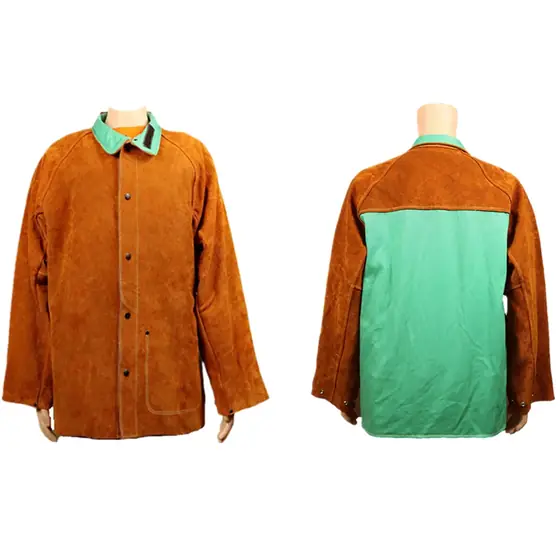
The same property that makes leather protective also makes it hold heat. In an already hot shop that leads to sweating, dehydration and, eventually, welders working with the jacket open. Hybrid jackets with an FR cotton back panel, such as the MS-285, vent heat while keeping leather on the front and sleeves.
See the MS-285 30 inch Split Cowhide Welding Jacket
Limited Breathability
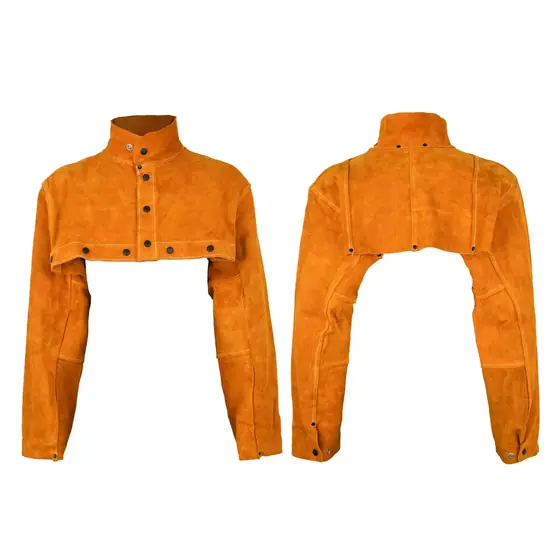
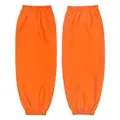
A jacket built to stop sparks does not ventilate. Cape sleeves are the alternative where the torso does not need enclosing: they cover the shoulders, upper back and arms and leave the front open.
See the MS-210 Split Cowhide Cape Sleeves
Maintenance And Durability
Leather needs different care from fabric. It should not be machine washed, it should be brushed clean and dried away from direct heat, and it should be stored flat rather than crushed. Inconsistent leather quality also shortens service life, which is why raw material inspection is the first stage in our quality process.
Cost
Good leather costs more to produce and treat, and that shows in the unit price. For a shop buying in bulk the useful comparison is not unit price but cost per week of service, which usually favours leather where spatter volume is high and favours FR cotton where it is not.
Flexibility And Fit
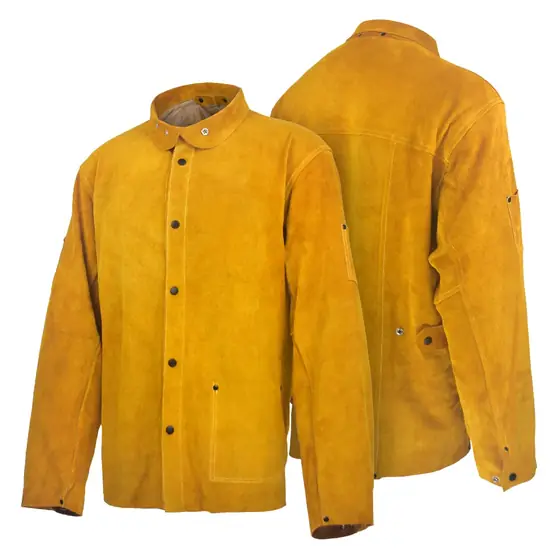
New leather jackets are stiff, and leather does not stretch to accommodate different body shapes the way fabric does. A wide size range matters more here than in cotton garments, which is why the main leather jackets run to 5XL.
See the MS-386 30 inch Split Cowhide Welding Jacket
Chemical And Water Exposure
Leather is not inherently resistant to chemicals and water. Water makes it heavy and stiff, and chemicals degrade it faster than expected. Where garments will get wet or oily regularly, FR cotton workwear is often the better specification.
Choosing Between Leather And FR Cotton
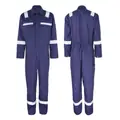
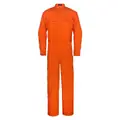
Use full leather for heavy plate, structural and out-of-position welding. Use a hybrid jacket for daily bench and MIG work. Use FR cotton work suits and coveralls where the hazard is flash fire and general heat rather than sustained spatter.