
Fountain Sculpture
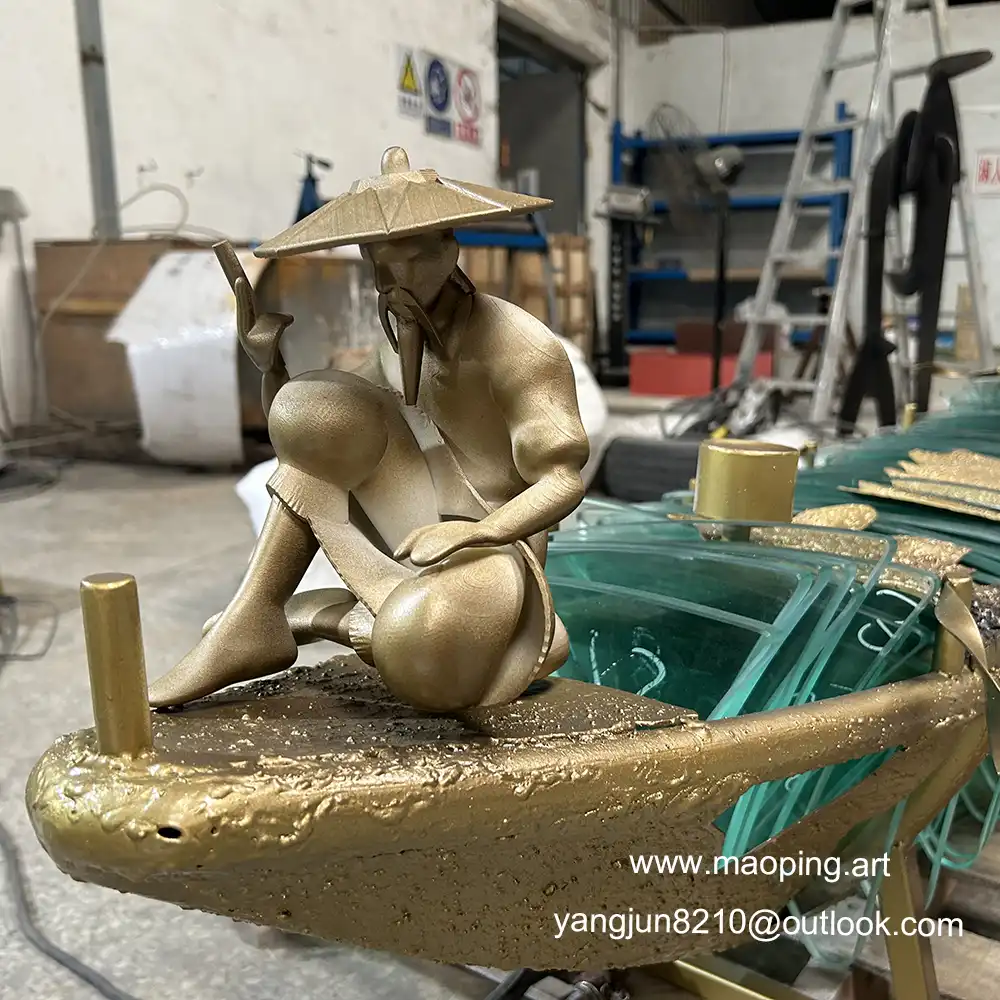
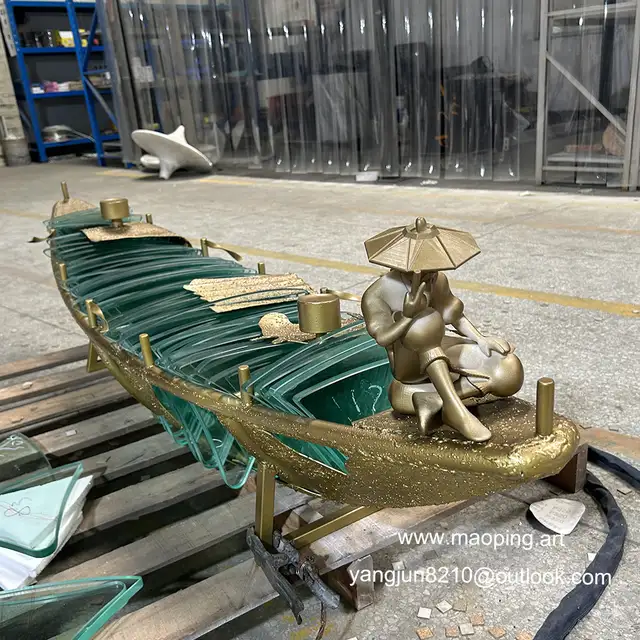
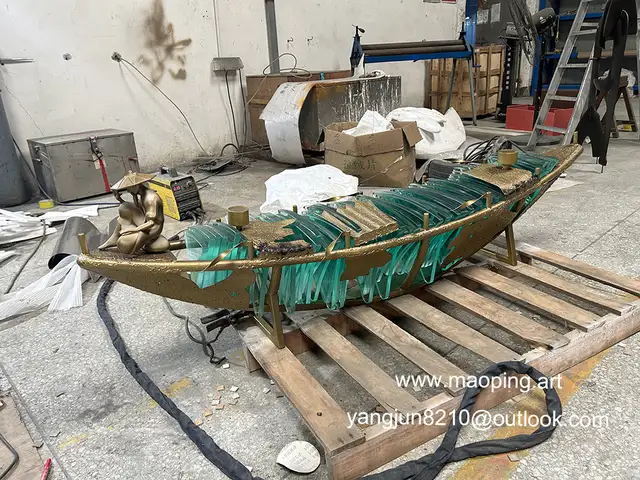
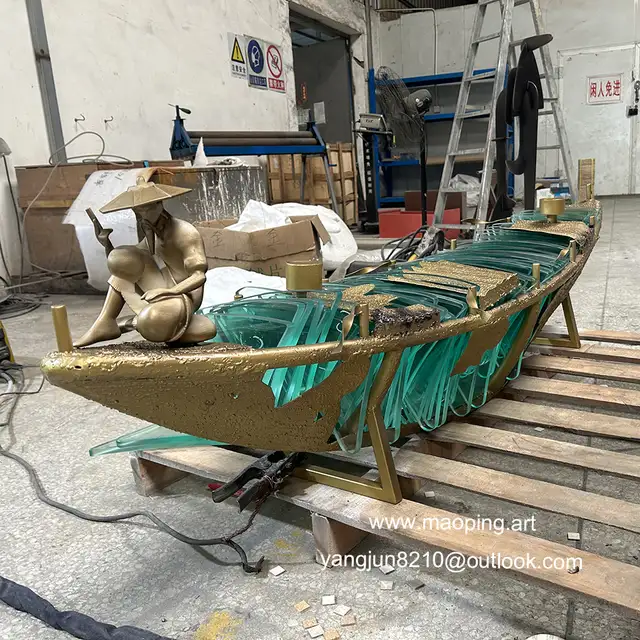
Indoor hospital subway bar museum school airport art museum decorations glass stainless steel boat sculpture
A stainless steel boat sculpture is designed for indoor spaces such as hospitals, subway stations, bars, museums, schools, and airports, where it functions as a sculptural element that draws attention without dominating the environment. Made from #304 or #316 stainless steel, the piece is available in any size to specification and finished in mirror, brushed, or painted surface. The hollow construction keeps weight manageable for indoor installation, and the surface finish reflects the surrounding architecture, lighting, and movement of people. The listed production time is 35 days, and the piece is delivered Factory Direct with Door to Door service in a wooden case.
| Material | #304 / #316 Stainless steel |
|---|---|
| Size | Custom size |
| Surface | Mirror / brushed Finishing / painting |
| Production Time | 35days |
| Packing | wooden case |
| Delivery | Factory Direct, Door to Door Delivery |
Dimensions and materials outside this table are confirmed against your duty sheet before quotation.
Key Benefits
What This Nozzle Gives You
- Hollow construction reduces weight for safe indoor installation
- Mirror, brushed or painted finish allows the sculpture to match or contrast with interior design schemes
- Custom size means the piece fits precisely into the intended space, not the other way around
- 304 for general indoor use or 316 where humidity or cleaning chemicals are present
- Factory Direct and Door to Door Delivery ensures the polished surface arrives intact
- The boat form adds a subtle narrative or symbolic presence without being figurative
Application Scenarios
Where It Is Installed
- A hospital atrium where a quiet sculptural element provides a calming focal point for patients and staff
- A subway station concourse where the sculpture reflects light and movement, adding visual interest to a transit space
- A museum lobby where the boat form introduces a modern, abstract motif that complements contemporary exhibits
- An airport terminal where the piece reflects the ceiling, signage, and passing travelers, creating a dynamic visual layer
- A school corridor or library where the sculpture serves as a subtle art intervention in a functional space
Who It Is For
Buyers Who Specify It
- Hospital design teams integrating art into healing environments
- Transit authority architects specifying interior features for subway stations
- Museum curators sourcing abstract sculptures for public galleries
- Airport planners commissioning art that works within strict safety and space constraints
- School or university facilities managers adding visual interest to long corridors or lobbies
Problems It Solves
What It Fixes on the Line
- A blank wall or open corridor with no visual anchor or design interest
- A space that needs art but has no room for large figurative or freestanding pieces
- A client who has a reference image but no technical drawing for a custom sculpture
- A project requiring a durable indoor sculpture that won’t degrade from cleaning or touch
- An installation where the size must match a specific architectural dimension, not a standard catalogue size
Technical Features
How It Is Built
- Hollow shell formed from two hemispheres welded together over a mould
- Weld joint ground and polished to be invisible on the finished surface
- 304 or 316 stainless steel body selected based on environmental exposure
- Surface finish applied after forming: mirror, brushed, or painted from the same base shell
- Custom diameter as standard, not as a special order, with no fixed size listed
Materials
Body Materials and Where Each One Suits
- 304 stainless steel suitable for general indoor environments with normal humidity
- 316 stainless steel recommended for high-moisture areas or where frequent cleaning with chemicals occurs
- Mirror finish reflects light, architecture, and movement, enhancing spatial perception
- Brushed finishing reduces glare and hides minor handling marks
- Painting allows for colour integration into the interior design scheme
Manufacturing Process
How the Part Is Made
- Scheme design developed against the indoor space, including form, scale, and finish
- Small model created and scaled up with internal support structure designed in parallel
- Plaster mould taken from the model to shape the steel shell
- Steel plate forged to the mould and ground repeatedly to form the shell
- Surface treated with mirror polish, brushed finish, or paint after forming
- Welded assembly completed on site, allowing the joint to be finished out
Quality Control
What Is Checked Before It Ships
- The company states it runs its own professional QC team
- Weld between hemispheres is ground and polished to be invisible on the finished surface
- Repeated grinding before surface treatment is part of the published method
- Wooden case packing protects the polished surface during transit
Customization
What Can Be Changed to Suit You
- Mirror, brushed, or painted finish available
- 304 or 316 body selected based on the indoor environment
- Ordered from a photograph or a drawing supplied by the customer
- Base and fixing detail designed to suit the installation site
Comparison
How It Compares With the Alternatives
| A painted mild steel sculpture | Painted mild steel is cheaper initially but requires repainting; stainless steel maintains its finish permanently, which is essential in high-traffic indoor spaces |
|---|---|
| A fiberglass boat form | Fiberglass is lighter and less expensive at large sizes but cannot be mirror polished and is more prone to damage in high-traffic areas |
| A corten steel sculpture | Corten is chosen for its weathering effect; this piece is intended to remain unchanged, so stainless steel is the correct material for a stable indoor appearance |
| A solid metal sculpture | Solid construction increases weight and cost; the hollow form reduces weight for easier indoor installation without sacrificing visual impact |
Use Guide
Fitting and Running It
- Choose the size based on the space it will occupy, not on a standard catalogue dimension
- Position the sculpture where it has something to reflect: ceiling, lighting, or movement of people
- Specify 316 stainless steel if the space has high humidity or frequent chemical cleaning
- Plan for 35 days production time plus delivery lead time from the installation date
- Ensure the fixing detail is designed to handle the weight and wind load, even indoors
- Clean the surface with water and a soft cloth; avoid abrasives that damage the polish
Questions Buyers Ask
Indoor hospital subway bar museum school airport art museum decorations glass stainless steel boat sculpture Questions
What size is this boat sculpture and can it be made larger?
This boat sculpture is made to custom size.
Which stainless grade will I get?
This boat sculpture is made in #304 or #316 stainless steel. If the space is in a hospital, airport, or school with high humidity or frequent cleaning, we recommend #316.
Mirror, brushed or painted?
All three finishes are available for this boat sculpture. Mirror gives the strongest reflection, brushed reduces glare, and painting allows for colour integration into the interior design.
How long from order to delivery for this sculpture?
The listing states a production time of 35 days. Add sea freight and local delivery time to the installation date.
How is this sculpture packed?
It is packed in a wooden case, which protects the polished surface during transit. The delivery is Factory Direct and Door to Door.
Can you build one from a picture I have?
Yes. The workshop takes orders according to a photograph or a drawing from the customer. Send the reference image, the desired size, and the installation location.
Related Products
Others in the Fountain Sculpture
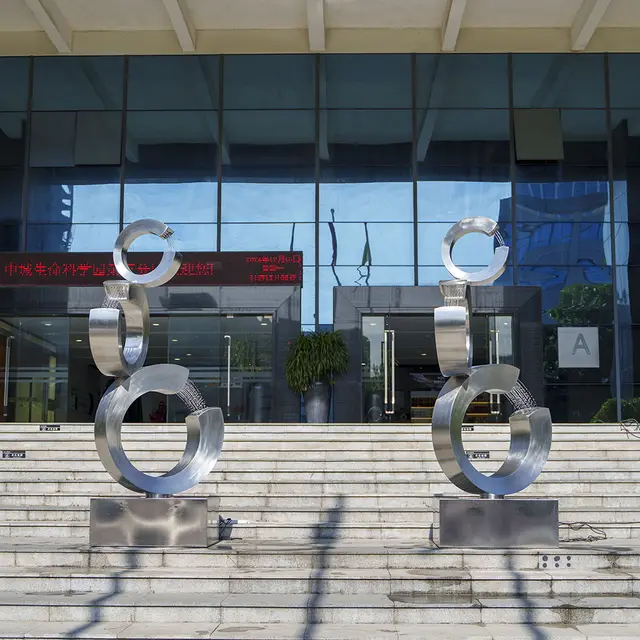
280cm Outdoor square courtyard stainless steel “3C”fountain sculpture
View specification
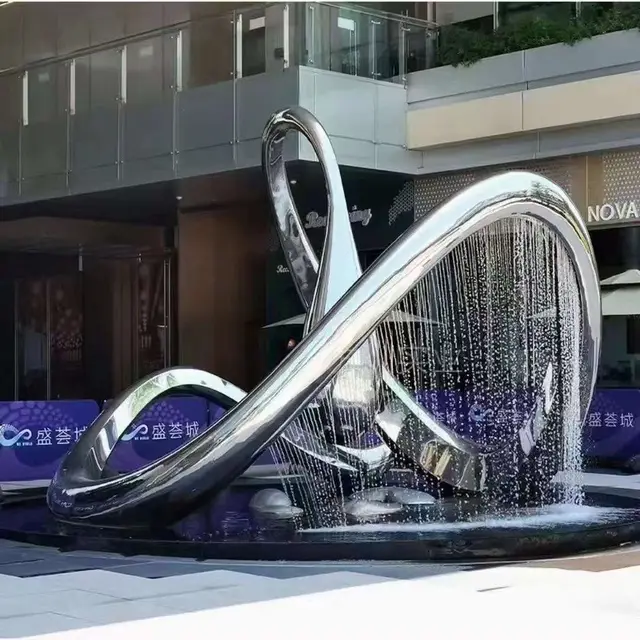
Outdoor water fountain sculpture modern abstract line art decorative metal sculpture
View specification
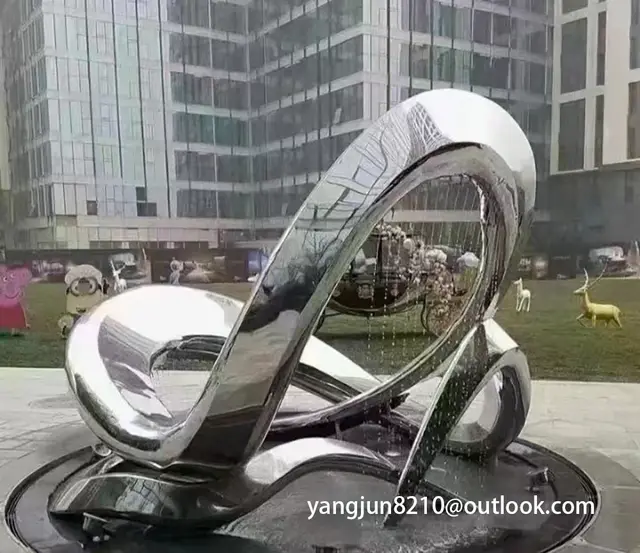
Outdoor square park playground museum architectural landscape artwork stainless steel ribbon water curtain sculpture
View specification
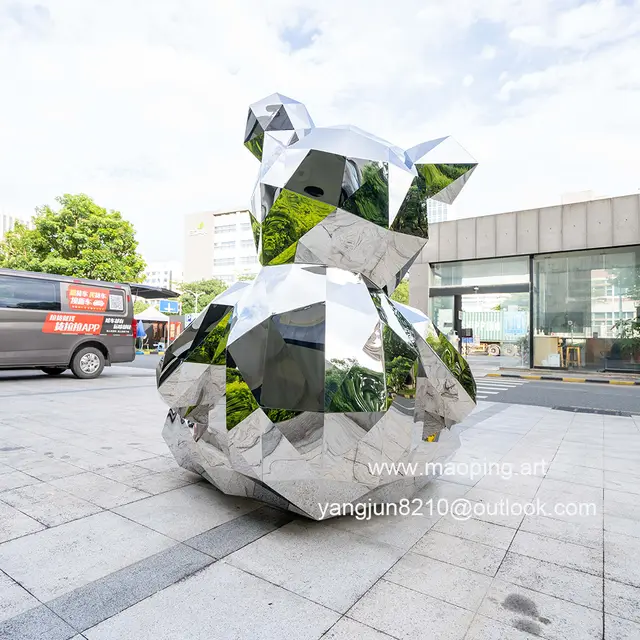
Outdoor airport park square school library cinema museum mirror polished stainless steel bear sculpture
View specification
Go Deeper
Industries Guides and Ways to Order
Ask About Indoor hospital subway bar museum school airport art museum decorations glass stainless steel boat sculpture
Send the liquid, the pressure at the nozzle and the thread on your header. Trial samples can be sent free of charge and samples can be ready within 10 days.