



How to Make Aluminum Foil Interleaving Sheets – Machine and Production Guide
Learn how to start an aluminum foil interleaving sheet production line, including raw materials, machines, folding, production capacity, factory setup, and costs.
Unlike conventional aluminum foil rolls, pop-up foil sheets are pre-cut and folded so users can pull out one sheet at a time from a dispensing box. This makes them convenient for food preparation and commercial kitchens.
However, starting this type of production line is not simply a matter of buying a machine. Sheet size, foil thickness, mother roll width, folding method, production speed, packaging, and raw material supply all need to be considered before placing an order.
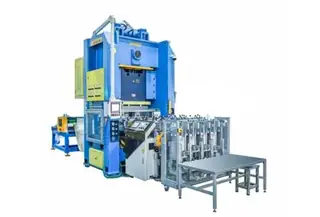
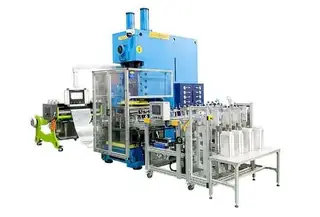
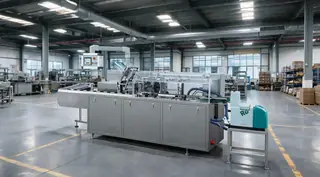
This guide explains the main steps involved in setting up an aluminum foil interleaving sheet production line , using the standard pop-up foil sheets machine as a practical equipment example.
What Are Aluminum Foil Interleaving Sheets?
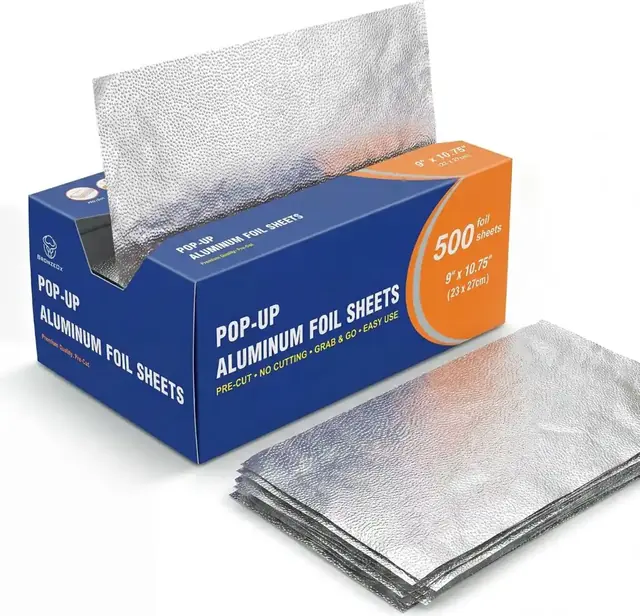
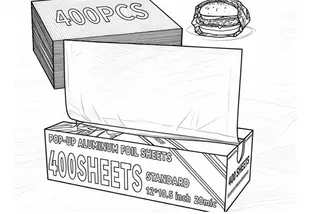
Aluminum foil interleaving sheets, also commonly called pop-up aluminum foil sheets , are individual pieces of aluminum foil that are pre-cut and folded before being packed into a dispensing box.
The sheets are normally designed with an interlocking V- or Z-fold. When the user pulls one sheet from the box, the folding arrangement helps bring the next sheet into position.
These products are commonly used for:
Food preparation
Restaurants and commercial kitchens
Catering and foodservice
Household kitchens
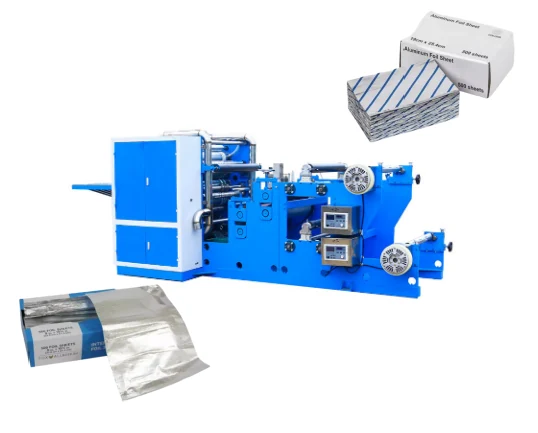
For a manufacturer, the main advantage is that the product is sold as a finished, convenient packaging item rather than simply as an aluminum foil roll.
How Does an Aluminum Foil Interleaving Sheet Production Line Work?
The basic production process is relatively straightforward:
Aluminum Foil Mother Roll → Feeding → Sheet Cutting → Interleaving → Counting → Stacking → Packing → Finished Pop-Up Foil Sheets
The exact line configuration depends on the finished product and the level of automation required.
In practice, the most important part is the sheet folding process. The machine needs to maintain stable foil tension while cutting and folding thin aluminum foil at high speed.
For this reason, buyers should confirm the final sheet dimensions and folding pattern before selecting the machine.
Step 1 – Choose the Right Aluminum Foil Raw Material
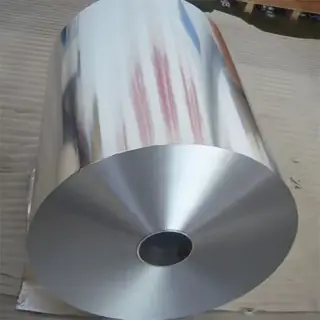
The first step is selecting suitable aluminum foil mother rolls.
The reference specifications include:
Parameter
Specification
Raw Material
8011 H22 Aluminum Foil
Foil Thickness
9–20 micron
Mother Roll Core Diameter
76 mm
Maximum Mother Roll Diameter
800 mm
Available Mother Roll Width
Max. 635 mm & 950 mm
From a buyer's point of view, it is better to test the actual raw material before finalizing the machine. The same machine can behave differently depending on foil thickness, hardness, surface condition, and roll quality.
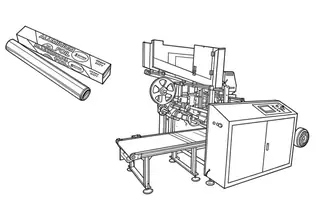
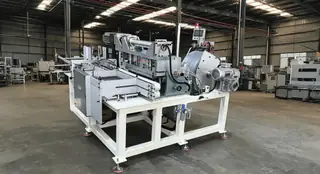
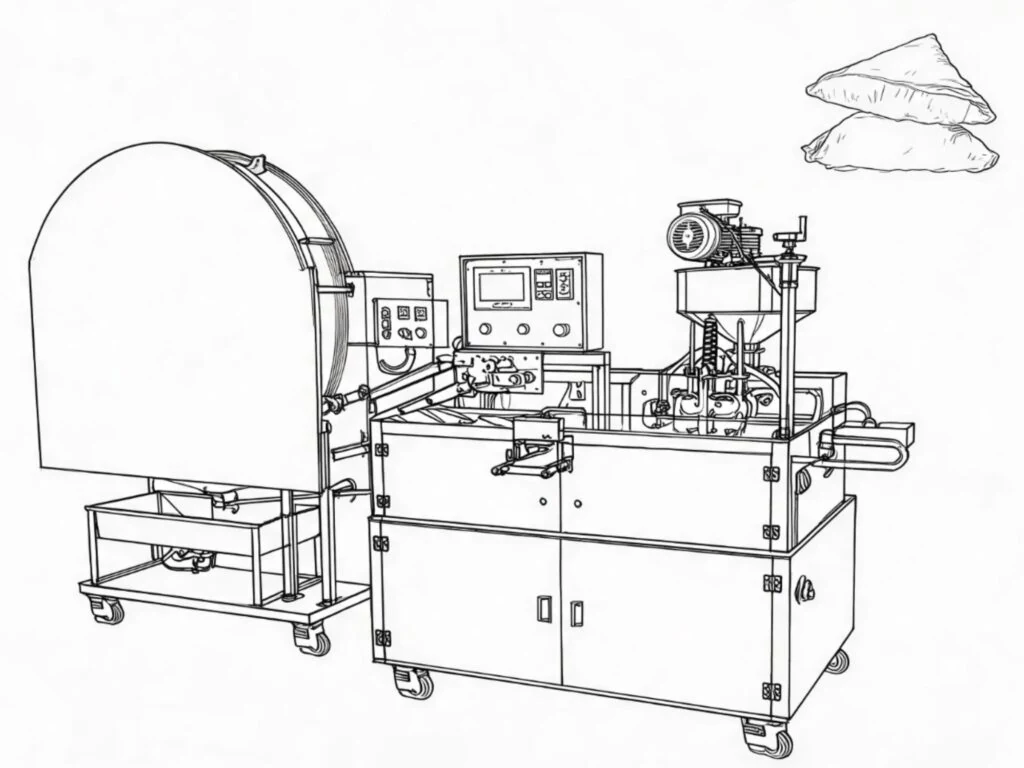
Step 2 – Select the Pop-Up Foil Sheets Machine
Standard foil sheet machine specifications include:
Open sheet size:
273 × 304.8 mm
Folded sheet size:
135 × 304.8 mm
Folding method:
V/Z shape interlocking
Folding angle:
3–5 mm
Production speed:
400–500 pcs/min × 2 or 3 lanes
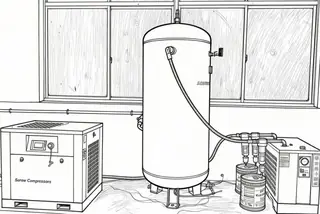
The machine also uses a vacuum system and requires compressed air during operation.
The machine specification is only one part of the purchasing decision. A suitable machine should match the buyer's target products, raw materials, packaging requirements, and expected production volume.
Step 3 – Confirm the Finished Sheet Size
One of the most important decisions should be made before purchasing the machine :
what size of foil sheet will you sell?
The length size is fixed on machine.but the width is within 635mm or 950mm range based on machine size.
For example:
Open sheet size: L273 × W304.8 mm
After folding:
Folded sheet size: L135 × W304.8 mm
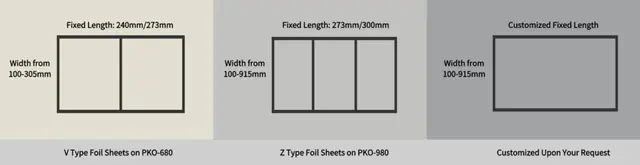
Sheet dimensions should be selected according to the target market and dispensing box.Before requesting a final quotation, prepare the following information:
Open sheet size
Folded sheet size
Foil thickness
Folding way,z or V type
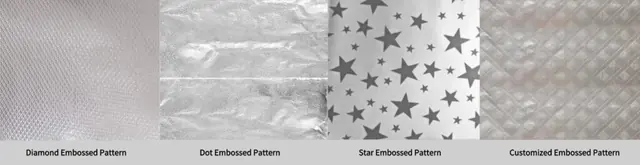
Embossing Pattern
Number of sheets per box
This makes it much easier for the machine supplier to recommend the correct configuration.
Step 4 – Choose the Folding and Interleaving Method
Flat aluminum foil sheets are relatively simple to produce. Pop-up sheets require an additional folding and interlocking process.
It uses a
V/Z shape interlocking folding method with a specified
3–5 mm fold angle
The purpose of the interlocking design is to make the sheets easier to dispense from a paper box.
The folding pattern can affect:
Dispensing performance
Sheet stacking
Box design
Finished product appearance
One point that is often overlooked is that the machine and packaging box need to be considered together. A sheet may look acceptable when stacked manually but may not dispense smoothly from the final retail box.
For this reason, testing the finished sheets inside the actual packaging box is recommended.
Step 5 – Calculate Production Capacity
Production capacity is another important factor when planning the investment.
Generally,
400–500 pieces/minute × 2 or 3 lanes
For example, at 400 pieces per minute:
400 × 60 = 24,000 sheets/hour per lane
With two lanes:
24,000 × 2 = 48,000 sheets/hour
With three lanes:
24,000 × 3 = 72,000 sheets/hour
These are theoretical production calculations. Actual output can be lower because of material changes, machine adjustments, maintenance, operator breaks, startup waste, and other downtime.
Therefore, buyers should not calculate their business plan based only on the maximum machine speed.
A better approach is to estimate production using a realistic operating efficiency and then compare the output with expected market demand.
Step 6 – Prepare the Factory and Utilities
The production line also requires sufficient factory space and utilities.
Generally:
Machine dimensions:
5000 × 2000 × 1700 mm
Net weight:
4,000 kg
Installed power:
27 kW
Power supply:
380 V, 50 Hz, 3Ph + N + E
Air pressure:
0.5–0.8 MPa
The installed power includes a
22 kW Roots vacuum pump, 4 kW main motor, and 1 kW tension system
The machine footprint should not be treated as the total space required for the project.
You also need space for:
Aluminum foil mother rolls
Finished products
Packaging materials
Operator access
Material handling
Cartons and packaging
Before installation, it is a good idea to prepare a factory layout and confirm the required installation space with the machine supplier.
Step 7 – Plan the Packaging Process
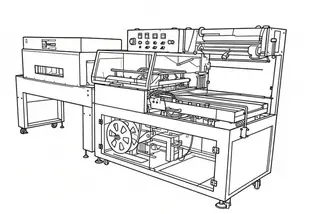
After the aluminum foil sheets are produced and interlocked, they need to be counted, stacked, and packed.
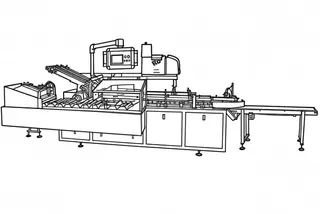
If you wanna a fully automatic working process,you can add aluminum foil sheet cartoning machine to automate this process.
A typical process is:
Production → Counting → Stacking → Box Packing → Carton Packing
The number of sheets per box depends on the target market and product positioning.
The packaging box should be designed together with the sheet dimensions. The internal box dimensions need to provide enough space for the folded sheets without making dispensing difficult.
Step 8 – Estimate the Initial Investment
There is no single fixed cost for starting an aluminum foil interleaving sheet production line.
The total investment normally includes:
Pop-up foil sheets machine
Aluminum foil mother rolls
Packaging boxes
Cartons
Air compressor
Electrical installation
Factory preparation
Spare parts
Shipping
Customs and import costs
Installation and commissioning
Labor
Working capital
The machine price is only one part of the project cost.
For example, a buyer may find a lower-priced machine but later spend more on installation, spare parts, packaging, or unsuitable raw materials.
From a project planning perspective, it is better to compare the total production setup rather than simply comparing machine quotations.
Step 9 – Estimate Aluminum Foil Consumption
Raw material is usually one of the largest ongoing costs in aluminum foil sheet production.
A basic material consumption calculation can be based on:
Sheet Size × Foil Thickness × Aluminum Density × Production Quantity
The actual consumption will also be affected by:
Startup waste
Production scrap
Rejected sheets
Material changes
For example, if the target product is a 273 × 304.8 mm sheet made from 15-micron aluminum foil, the theoretical aluminum weight can be calculated first. The actual production cost should then include the expected production waste.
It is better to run a production test with the actual foil material before making a detailed profit calculation.
Step 10 – Test the Machine Before Shipment
Before the machine is shipped, buyers should conduct a proper factory acceptance test whenever possible.
Important items to check include:
Foil thickness compatibility
Sheet dimensions
Folding accuracy
V/Z interlocking performance
Lane synchronization
Sheet counting
Stacking quality
Electrical components
Safety protection
Finished product quality
Ideally, the supplier should run the machine using the buyer's actual aluminum foil or an equivale
Have a project like this?
We source the machinery, audit the factory and inspect the goods before they ship.
Ask a question Email usMore on Machinery & Production
- The Importance of Air Compressor in Aluminum Foil Food Package Factory Setup
- Alibaba Machinery Suppliers: Are They Reliable and Genuine?
- What Should You Know About The Aluminum Foil Container Machine Price Before Investing
- What Determines Aluminum Foil Container Scrap Rate? A Practical Guide for Manufacturers
Related equipment and products
Full Automatic Rewinding Machine
Unwinds jumbo rolls, controls tension, slits, rewinds onto cores, cuts and discharges finished rolls automatically.
View details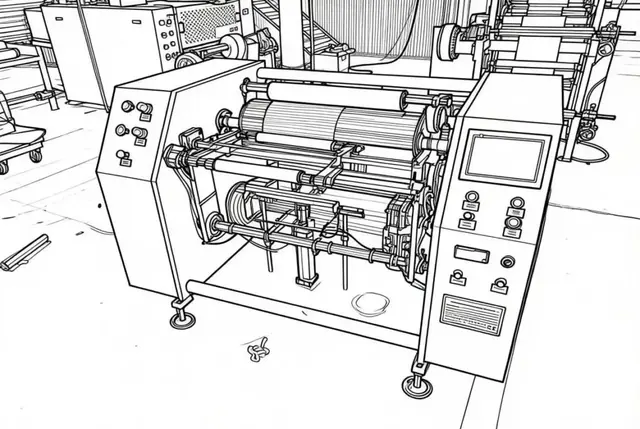
Semi Automatic Rewinding Machine
Two-spindle rewinder for aluminum foil and baking paper, 100-500 mm rewinding roll width.
View details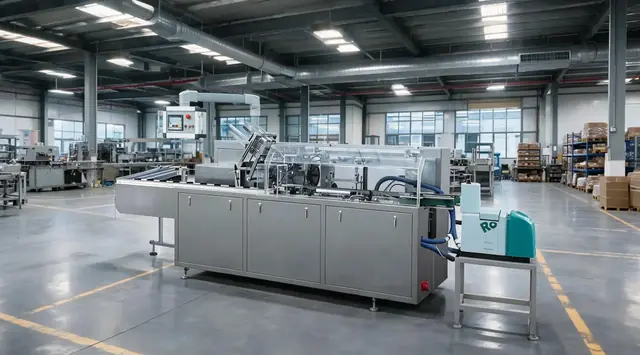
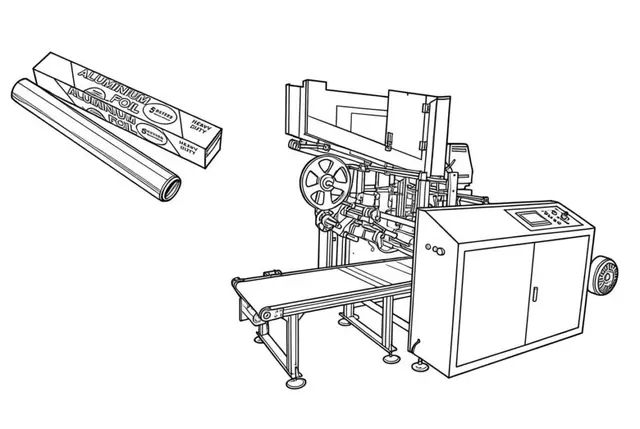
Aluminum Foil Small Roll Cartoning Machine
Automatically feeds foil rolls, opens boxes, loads product, sprays glue, seals boxes and removes waste.
View detailsTurn this into a project
Send us your target product and market. We come back with the factory shortlist and what it costs to verify them.