


How to Set Up a Household Aluminum Foil Roll Manufacturing Business?
Learn how to start a household aluminum foil roll production line, from choosing jumbo rolls and rewinding machines to quality control and packaging.
The basic production process is relatively straightforward:
Aluminum Foil Jumbo Roll → Rewinding → Cutting → Finished Roll → Packaging
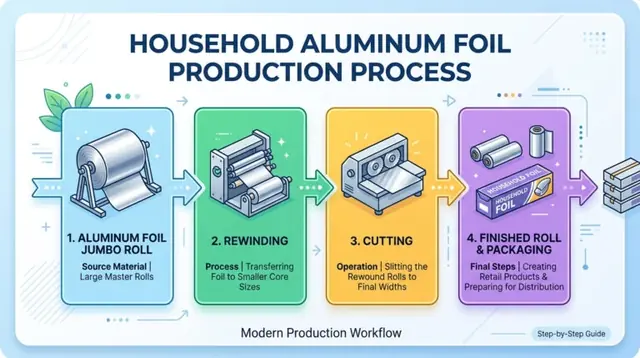
The challenge is choosing the right raw material, rewinding equipment, finished roll specifications, and packaging method. These decisions should be made before you buy the machinery.
This guide explains the main steps involved in setting up a household aluminum foil roll production line and the points that first-time buyers should pay attention to.
What Is a Household Aluminum Foil Roll Production Line?
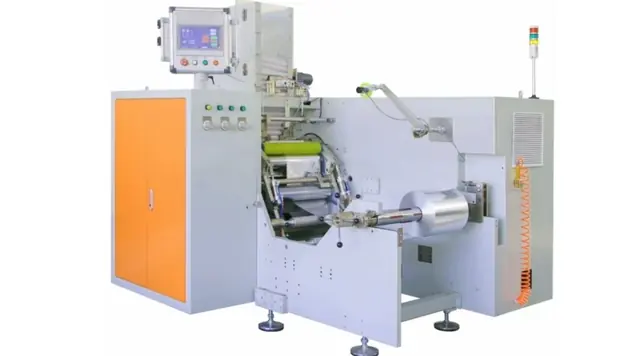
A household aluminum foil roll production line is a converting system used to turn large aluminum foil mother rolls into smaller rolls for household, retail, catering, and foodservice applications.
For example, a large jumbo roll can be rewound into smaller rolls with different widths and lengths according to the requirements of a supermarket or private-label brand.
A basic production setup may include:
Aluminum foil jumbo rolls
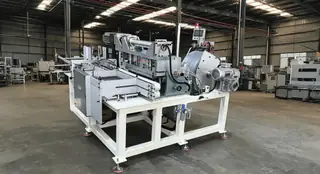
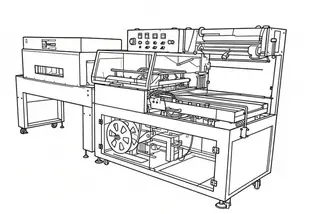
Rewinding machine
Cardboard cores
Air compressor
Packaging equipment
Cartons and other packaging materials
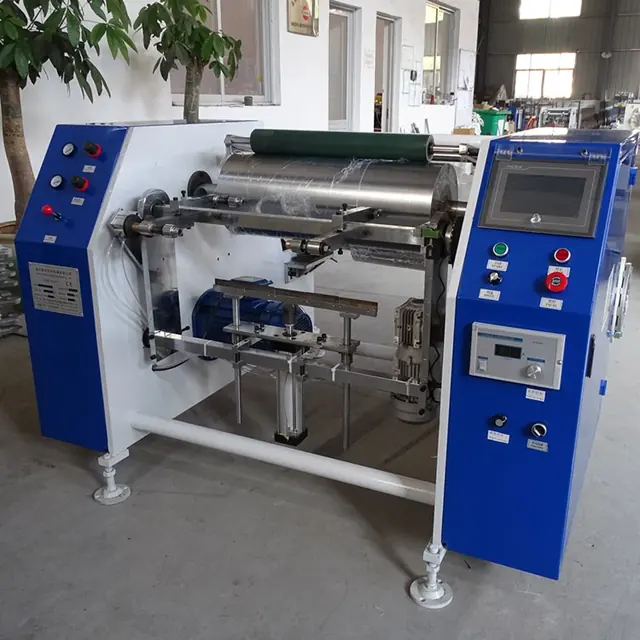
The actual configuration depends on the product you want to sell. A small workshop may use a semi automatic rewinding machine and manual packaging, while a larger factory may prefer a fully automatic production line.
Step 1: Choose the Right Aluminum Foil Jumbo Roll
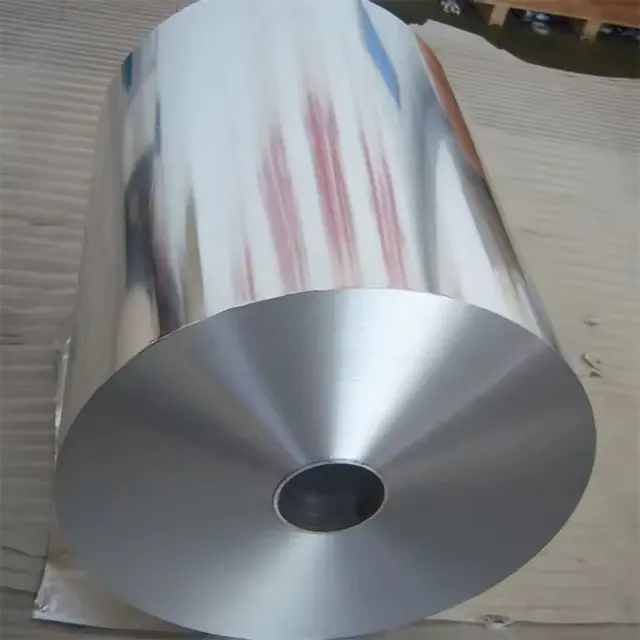
The first step is not buying the machine. It is deciding what aluminum foil raw material you will use.
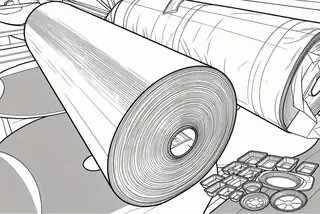
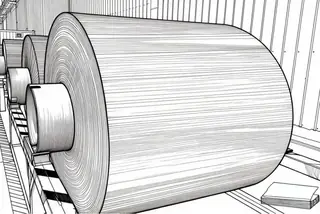
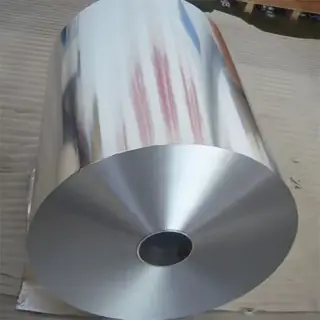
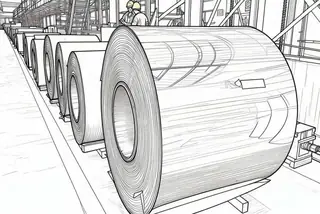
Most household foil rewinder purchase aluminum foil in large jumbo rolls and then process them into consumer-size rolls.
Before ordering the raw material, confirm several specifications.
Aluminum Foil Thickness
The required thickness depends on the target product and market.It also be compatible with the rewinding machine you plan to use.
Jumbo Roll Width
Jumbo Roll Diameter and Core
The maximum jumbo roll diameter and core diameter need to match the unwinding system of the rewinding machine.
Step 2: Choose an Aluminum Foil Rewinding Machine
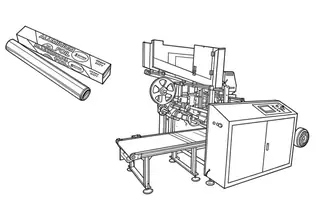
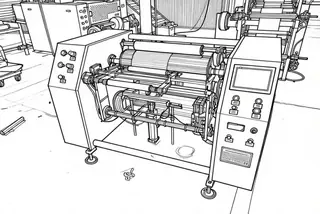
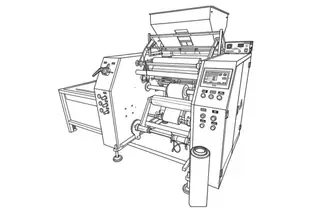
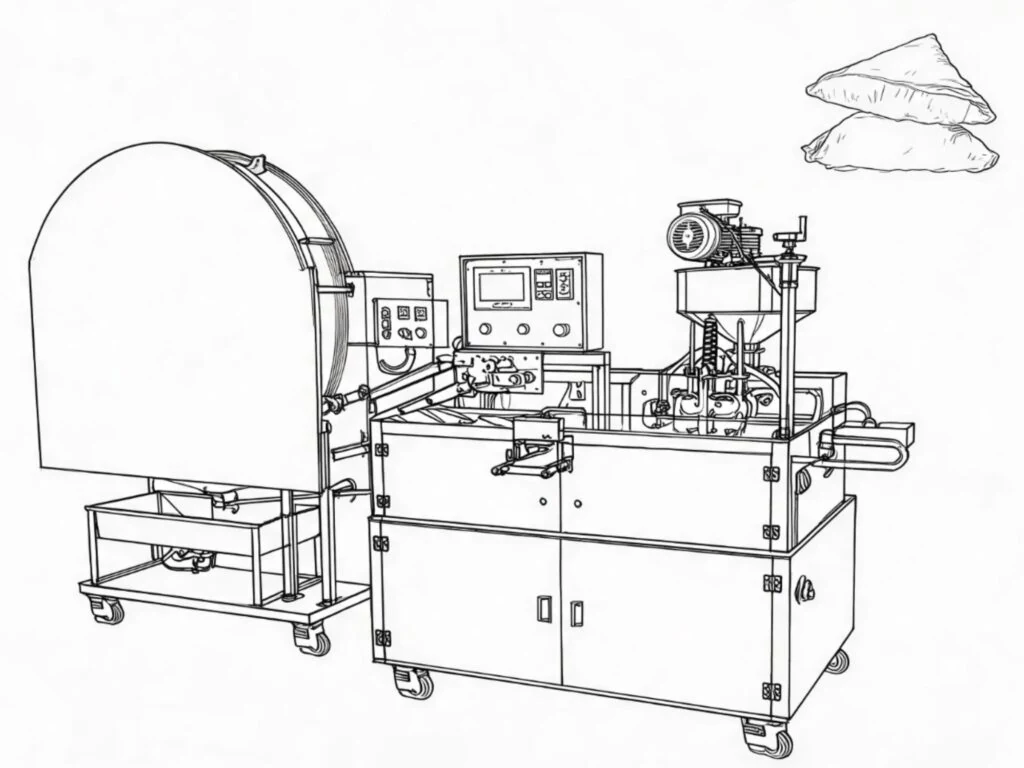
The aluminum foil rewinding machine is the core piece of equipment in a household foil roll production line.
Its main job is to take the large mother roll and rewind the foil onto smaller cardboard cores.
There are two common approaches.
Semi Automatic Rewinding Machine
A semi automatic machine requires the operator to participate in some production steps, such as core replacement, gluing, loading, unloading, or packaging.
This can be a practical choice for small and medium-sized businesses that want to control the initial investment.
Fully Automatic Rewinding Machine
A fully automatic system can reduce operator involvement and may integrate functions such as automatic core loading, gluing, cutting, roll discharge, and packaging.
It is generally more suitable for higher-volume production.
However, more automation does not automatically mean a better investment. If your production volume is still limited, a semi automatic system may be enough.
Step 3: Rewind the Jumbo Roll into Household Foil Rolls
Once the raw material and machine are ready, the jumbo roll is loaded onto the unwinding section.
The foil is then fed through the machine and wound onto smaller cardboard cores.
During this process, several factors affect the final roll quality:
Foil thickness
Finished roll width
Finished roll length
Core diameter
Winding speed
The goal is to produce rolls with consistent winding and clean edges.
Step 4: Cut and Finish the Aluminum Foil Rolls
After the foil reaches the required roll length or diameter, it needs to be cut.
Depending on the machine configuration, cutting can be automatic.
The finished roll is then removed from the machine and prepared for the next production cycle.
For a semi automatic production line, the operator may still need to:
Remove finished rolls
Replace cardboard cores
Apply glue
Check the roll
Transfer rolls to packaging
Some of these functions can be automated if production requirements justify the additional investment.
For example, automatic gluing can be added to some rewinding machine.
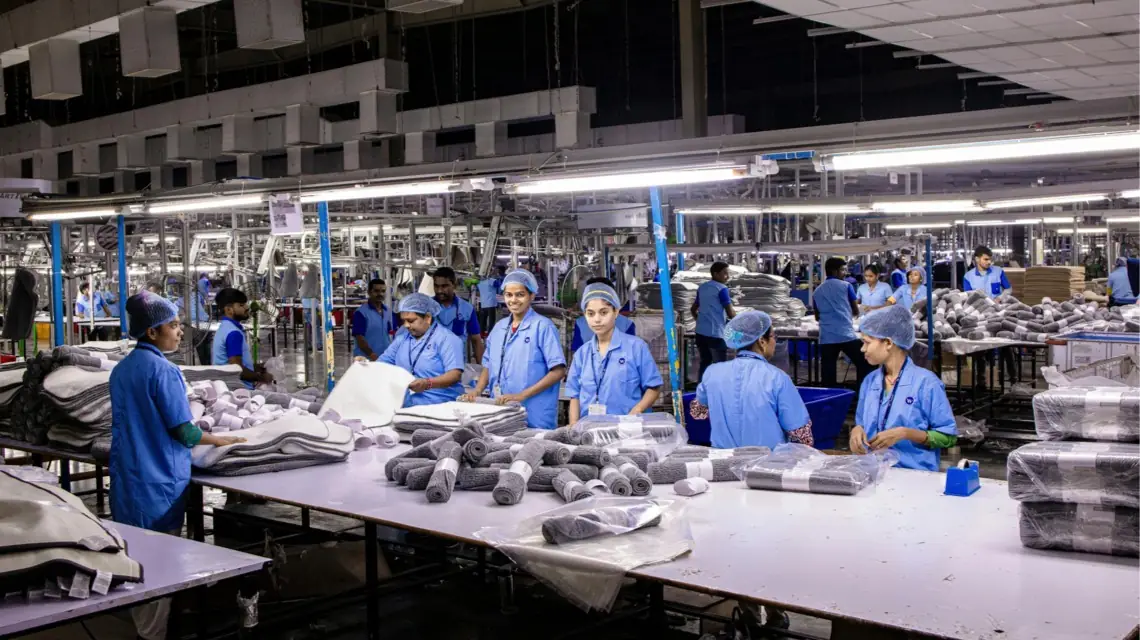
Step 5: Package the Finished Household Aluminum Foil Roll
Producing the foil roll is only part of the process. If the product is intended for supermarkets or retail stores, packaging becomes equally important.
A typical process is:
Finished Foil Roll → Consumer Packaging → Carton → Shipment
For private-label products, the packaging may need to include the customer's brand, product dimensions, barcode, instructions, and other market-specific information.
This is why it is better to decide on the target market before purchasing packaging equipment.
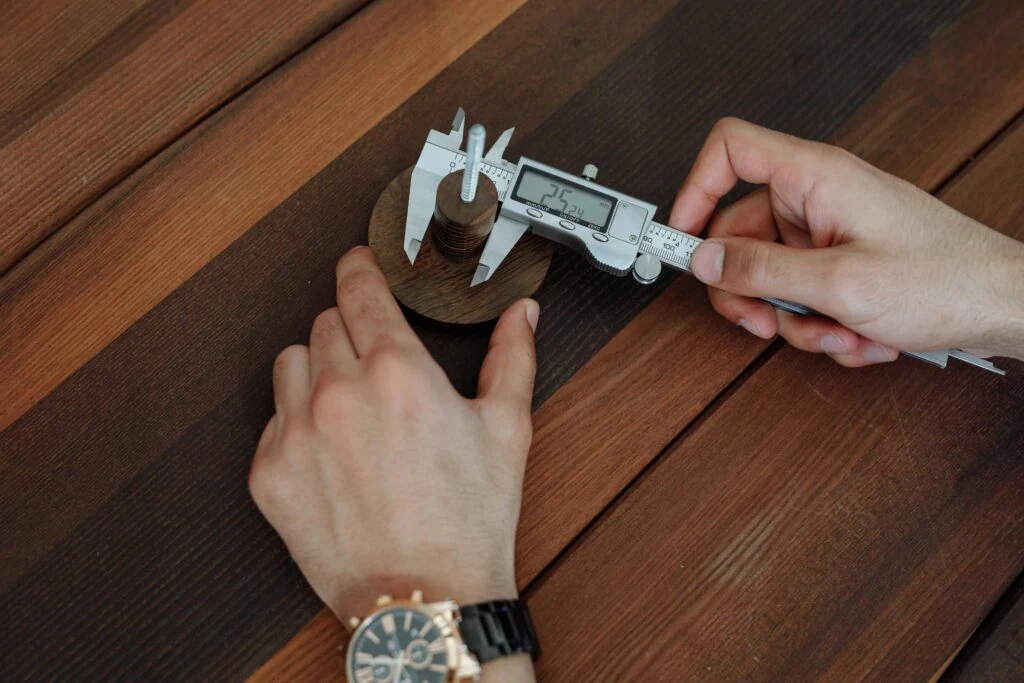
Step 6: Set Up Quality Control
Quality control should not wait until the finished products are packed.
During production, regularly check the finished rolls for:
Foil thickness
Roll width
Roll length
Core diameter
Outer diameter
Edge condition
Winding tightness
Surface appearance
Packaging quality
The exact quality requirements should be based on your product specification and target market.
What Equipment Do You Need?
A basic household aluminum foil production line does not have to be extremely complicated.
A typical setup includes:
Aluminum foil jumbo rolls
the main raw material.
Aluminum foil rewinding machine
converts jumbo rolls into smaller rolls.
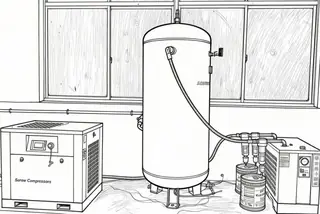
Air Compressor
Provide pneumatic system for the jumbo roll material loading on the rewinding machine.
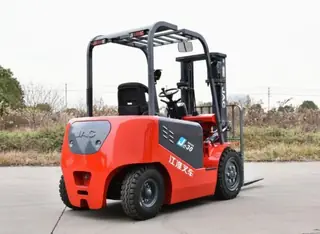
Forklift-Load the jumbo roll raw material to the rewinding machine.
Cardboard cores
used as the center of the finished rolls.
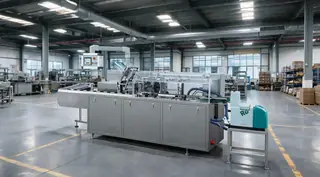
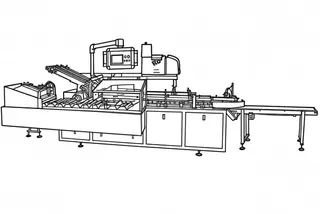
Packaging equipment
packs the finished rolls manually or by a cartonning machine automaticly.
Cartons and packaging materials
for final shipment.
For a new business, it is often sensible to start with the equipment that directly affects production and add more automation later as sales volume increases.
How Much Automation Do You Need?
There is no need to automate everything from day one.
Small-Scale Production
A typical setup could be:
Semi Automatic Rewinding + Manual Packaging
This keeps the equipment relatively simple and allows operators to handle packaging manually.
Medium-Scale Production
A business with higher demand might choose:
Semi/Automatic Rewinding + Semi Automatic Packaging
This reduces some repetitive labor while keeping the investment under control.
High-Volume Production
For larger manufacturers, the line could include:
Fully Automatic Rewinding + Automatic Discharge + Automatic Packaging/Cartoning
The best option depends on the relationship between machine investment, labor cost, and production volume
What Should You Confirm Before Buying?
Before asking a supplier for a quotation, prepare your product specifications.
At minimum, confirm:
Aluminum foil thickness
Jumbo roll width
Jumbo roll diameter
Jumbo roll core diameter
Finished roll width
Finished roll length
Finished roll core diameter
Finished roll outer diameter
Expected production volume
Number of operators
Packaging requirements
Factory power supply
You should also ask the supplier whether they can test your actual aluminum foil material.
This is particularly useful if you have already found a raw material supplier. The machine should be designed around the material you can actually purchase, not just a theoretical specification.
Common Mistakes Beginners Should Avoid
Buying the Machine Before Defining the Product
This is probably the most common mistake.
Start with the finished roll. Decide the width, length, core size, and packaging first. Then select the machine.
Focusing Only on Machine Speed
A machine advertised at a high speed does not necessarily produce that output under your actual working conditions.
Material thickness, roll size, tension, cutting, and operator efficiency all affect real production.
Ignoring Jumbo Roll Specifications
Your machine must be compatible with the jumbo rolls you can source.
If the raw material diameter or core does not match the machine, additional modifications may be necessary.
Underestimating Packaging
A finished foil roll is not necessarily a finished retail product.
If your target customers are supermarkets or distributors, packaging design and packing efficiency need to be considered from the beginning.
Buying Too Much Automation
A fully automatic line can be attractive, but it also requires a larger investment.
If you are starting with relatively small production volumes, a simpler semi automatic line may be more appropriate.
Conclusion
Starting a household aluminum foil roll production line is primarily a converting and packaging project if you purchase ready-made aluminum foil jumbo rolls.
The basic process is straightforward:
Choose Raw Material → Select Rewinding Machine → Produce Finished Rolls → Inspect Quality → Package → Ship
The more difficult pa
Have a project like this?
We source the machinery, audit the factory and inspect the goods before they ship.
Ask a question Email usMore on Machinery & Production
- The Importance of Air Compressor in Aluminum Foil Food Package Factory Setup
- Alibaba Machinery Suppliers: Are They Reliable and Genuine?
- What Should You Know About The Aluminum Foil Container Machine Price Before Investing
- What Determines Aluminum Foil Container Scrap Rate? A Practical Guide for Manufacturers
Related equipment and products
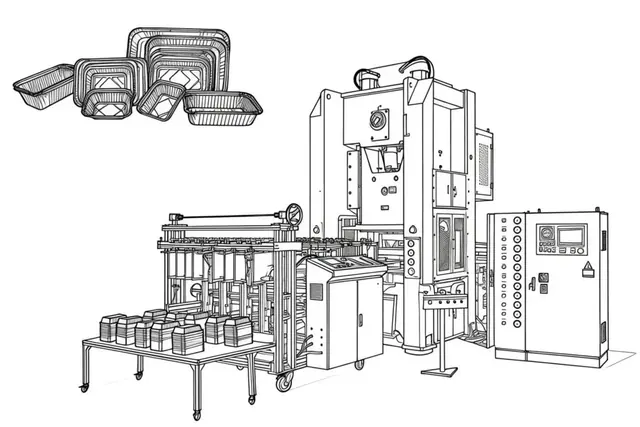
Aluminum Foil Container Making Machine
High-speed press line that converts aluminum foil jumbo rolls into finished food containers automatically.
View details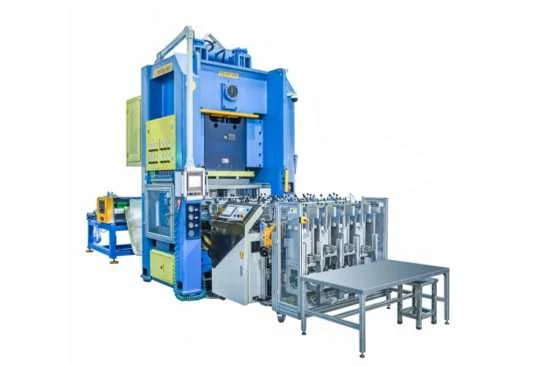
C-Frame Foil Container Machine
C-frame press configuration for aluminum foil container forming, with open access on three sides.
View details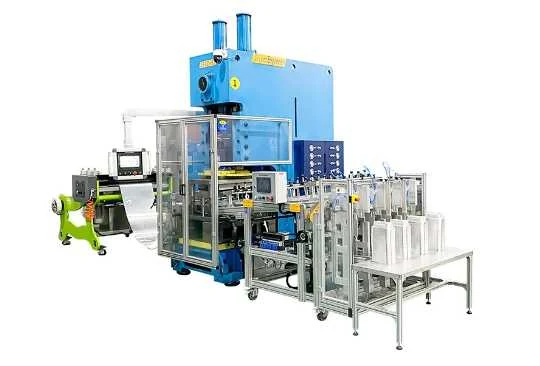
H-Frame Foil Container Press
Closed H-frame press built for heavier, higher-tonnage aluminum foil container forming.
View detailsTurn this into a project
Send us your target product and market. We come back with the factory shortlist and what it costs to verify them.