





Essential Lubricants Used in Aluminum Foil Container Manufacturing
Learn what lubricants are used in aluminum foil container production, including stamping oil, gear oil, hydraulic oil, lithium grease, and way oil. Discover their applications, consumption, and maintenance requirements.
In actual production, proper lubrication plays a significant role in machine performance, mold protection, and equipment lifespan. Even the best aluminum foil container machine can experience premature wear, unexpected downtime, or reduced efficiency if lubrication is neglected.
From what we've seen in many factories, a well-planned lubrication program can prevent many common equipment failures and significantly reduce maintenance costs.
In this article, we'll explain the main lubricants used in aluminum foil container manufacturing and why each one is important.
Why Lubrication Is Important in Aluminum Foil Container Production
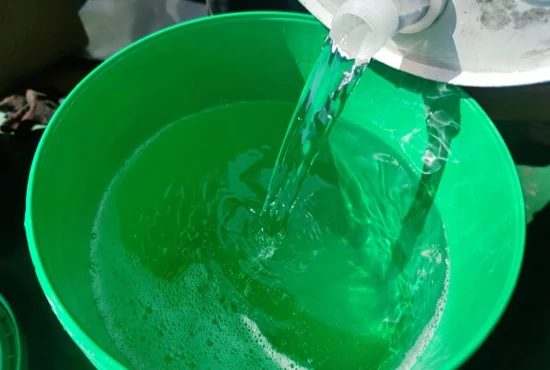
Aluminum foil container production is not gentle on machinery. Presses operate at high cycle rates, hydraulic systems generate intense pressure, and continuous reciprocating motion wears down guide rails, bearings and gears. Without proper lubrication, friction converts mechanical energy into heat and wear, and components fail prematurely.
Lubricants do five critical jobs:
Reduce friction between moving surfaces, lowering energy consumption and heat generation
Prevent wear by creating a protective film between metal components
Cool components by carrying away heat generated during operation
Protect against corrosion by sealing out moisture and contaminants
Improve performance by ensuring smooth, consistent motion across all moving parts
The cost of lubrication is very small compared to what you will spend on major repairs if lubrication is neglected. A single hydraulic pump replacement can cost more than an entire year's supply of hydraulic oil. A worn gearbox due to improper oil selection will set you back thousands.
Types of Lubricants You will Need in Production Work
Aluminum Foil Lubrication Oil
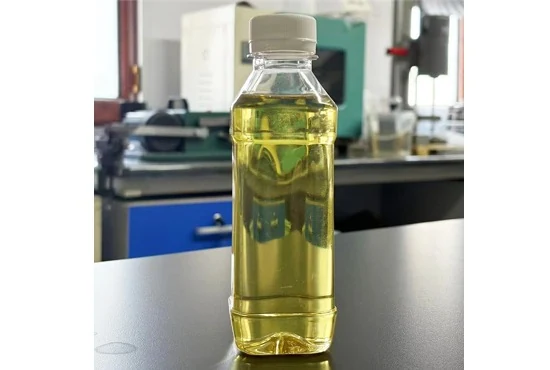
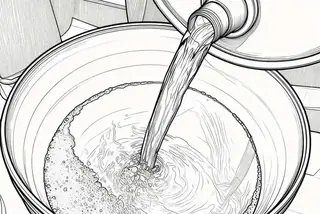
This is a highly specialized lubricant used exclusively during the aluminum foil container forming and stamping process. It is applied directly to the aluminum foil before it enters the press mold.
In aluminum foil container production, the average consumption of stamping oil is approximately
10 liters per ton of aluminum foil material
Gear Oil
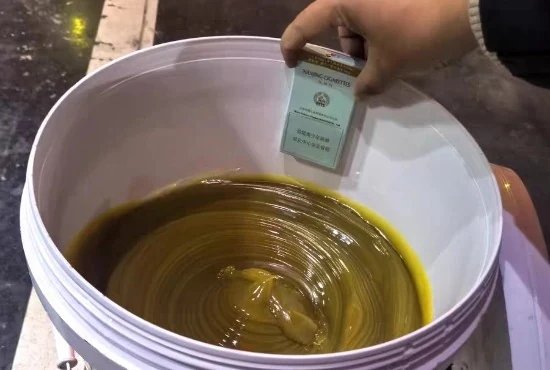
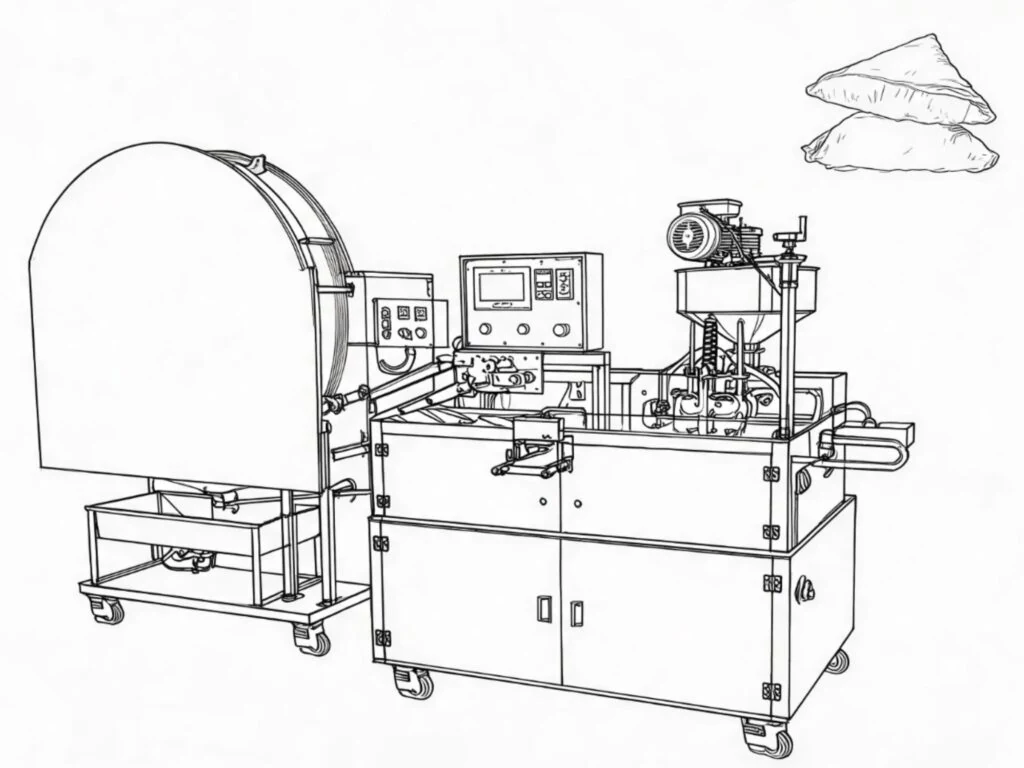
Gear oil is used in the press top gearbox and the transmission systems that transfer power from the motor to the pressing mechanism.
Gear oil is primarily used in:
Press top transmission systems
Gearboxes
80-ton slide block transmission mechanisms
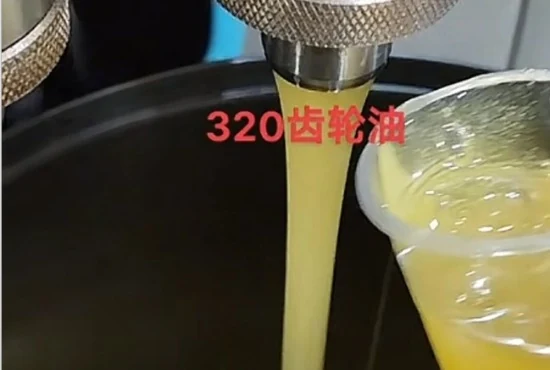
These components operate under heavy loads and require continuous lubrication.Most aluminum foil container presses use:No. 320 Gear Oil,Approximately:200 liters per machine.
Hydraulic Oil
Hydraulic oil is used in the press hydraulic pumps, bearing lubrication systems, and often in scrap balers that manage trim waste from the production line.
It transfers power efficiently throughout the system while reducing internal wear on pumps, valves and cylinders. It also helps cool the system and carries away contaminants to the filter.
Most factories use:No. 46 Hydraulic Oil.
Approximately
120 liters for the main hydraulic tank. Check your machine's sight glass daily to ensure levels do not drop below 70%.
Lithium Grease
Lithium grease is commonly applied to T63 C frame presses,m achine frame lubrication points and r olling guide rails.
Recommended Grades
Grade 0: A slightly thicker consistency suitable for higher-temperature environments where the grease needs to stay in place without melting away.
Grade 00: A thinner, semi-fluid consistency that offers better fluidity, ideal for automated centralized greasing systems.
Typical Consumption is approximately16 liters for routine machine maintenance.
Guide Oil(Way Oil)
Guide oil is used primarily for guide rails and sliding surfaces on 80-ton presses.
It helps ensure smooth and accurate movement of machine components.
If specialized guide oil is unavailable, ISO VG 320 gear oil can often be used as a substitute. Both provide the necessary film strength for sliding surfaces.
Approximately 200 liters for the guide rail lubrication system.
How to Create a Lubrication Maintenance Plan
A well-designed lubrication maintenance plan is not complicated, but it must be followed consistently. Here is what a practical plan looks like:
Daily Checks (2 Minutes Before Start of Shift)
Check the hydraulic oil level through the sight glass. Check the pneumatic system's automatic injector to ensure it has oil. Inspect the stamping oil feeder tank-if empty or the nozzle is clogged, the foil will drag and wrinkle.
Wipe down feeding rollers to remove aluminum dust and chips that cause slipping.
Weekly Lubrication Tasks
Lubricate key moving parts with manufacturer-specified grease. Focus on bearings, gears and chains that experience continuous motion during production runs. Apply food-grade lubricating oil to points specified in your machine's lubrication chart.
For grease lubrication points, use a grease gun to apply evenly.
Scheduled Oil Replacement
Gear oil and hydraulic oil should be analyzed every 6–12 months. Change when contamination levels exceed manufacturer specifications or after approximately 5,000–8,000 operating hours.
Lithium grease should be replenished every 100–200 hours of operation under normal conditions. Under heavy-duty service, consider every 50–100 hours or use an automatic oil supply system.
Stamping oil is continuously consumed in production. Monitor tank levels daily and refill as needed.
Preventive maintenance is always cheaper than major repairs.
Common Lubrication Mistakes
Many new factory owners make mistakes that significantly reduce machine lifespan. Here are the most common ones to avoid:
Using incorrect oil grades.
Putting ISO VG 46 hydraulic oil in a gearbox that requires VG 320 destroys gears quickly. Using ordinary hydraulic oil in precision hydraulic valves causes clogging and erratic press motion.
Mixing different lubricants.
Different oil chemistries can react, forming sludge or reducing lubricating properties. Never mix brands or types without confirming compatibility.
Ignoring lubrication schedules.
Skipping daily checks is how small problems become catastrophic failures. A clogged oil nozzle takes thirty seconds to check but can ruin an entire production run if missed.
Using low-quality substitutes.
Budget oils may save a few dollars today but accelerate wear and require more frequent changes. Over the life of the machine, high-quality lubricants are cheaper.
Over-lubricating components.
Excess lubricant attracts dust and contaminants, creates messes that interfere with sensors, and-in hydraulic systems-can cause foaming and cavitation damage.
Using general-purpose punching oil for aluminum.
As covered earlier, steel stamping oils lack the anti-weld chemistry required for aluminum and will cause immediate galling.
Failing to clean before lubricating.
Wiping lubrication points clean before applying fresh grease or oil removes abrasive particles that would otherwise be ground into moving surfaces.
Conclusion
Aluminum foil container production requires five distinct lubricants, each serving a specific purpose:
Lubricant
Specification
Typical Capacity
Key Function
Stamping Oil
Food-grade aluminum forming oil
~10 L per ton material
Reduces foil-mold friction, prevents galling
Gear Oil
ISO VG 320
~200 L
Protects gearbox under heavy loads
Hydraulic Oil
ISO VG 46 AW
~120 L
Powers press with precision valve protection
Lithium Grease
NLGI 0/00/2
~16 L
Lubricates open bearings, chains, guide rails
Way Oil
ISO VG 68
~200 L
Protects sliding guide rail surfaces
Although lubricants represent a small fraction of your total operating costs, they have an outsized impact on machine performance and equipment lifespan. For factory owners, proper lubrication management is one of the simplest ways to improve production stability and reduce long-term maintenance expenses.
From what we have seen in many aluminum foil container factories,c hoosing the right lubricants helps improve product quality, extend mold life, and reduce maintenance costs. For a comprehensive guide covering every aspect of factory planning and operation, read our
The Complete Guide to Starting an Aluminum Foil Container Manufacturing Business.
FAQ Section
What oil is used in aluminum foil container production?
The production line uses a combination of specialized fluids: volatile or food-grade stamping oil for the foil, Gear Oil No. 320 for transmissions, Hydraulic Oil No. 46 for fluid power, lithium grease for joints, and way oil for machine guide rails.
How much stamping oil is needed per ton of material?
On average, a factory will consume approximately 10 liters of specialized stamping oil for every ton of aluminum foil processed, though this can vary slightly based on the depth and complexity of the container being stamped.
Can hydraulic oil replace gear oil?
No. Hydraulic oil (like No. 46) is much thinner and designed for
Have a project like this?
We source the machinery, audit the factory and inspect the goods before they ship.
Ask a question Email usMore on Machinery & Production
- The Importance of Air Compressor in Aluminum Foil Food Package Factory Setup
- Alibaba Machinery Suppliers: Are They Reliable and Genuine?
- What Should You Know About The Aluminum Foil Container Machine Price Before Investing
- What Determines Aluminum Foil Container Scrap Rate? A Practical Guide for Manufacturers
Related equipment and products
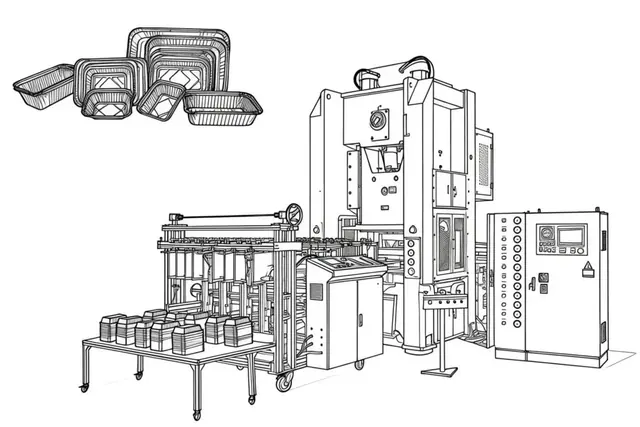
Aluminum Foil Container Making Machine
High-speed press line that converts aluminum foil jumbo rolls into finished food containers automatically.
View details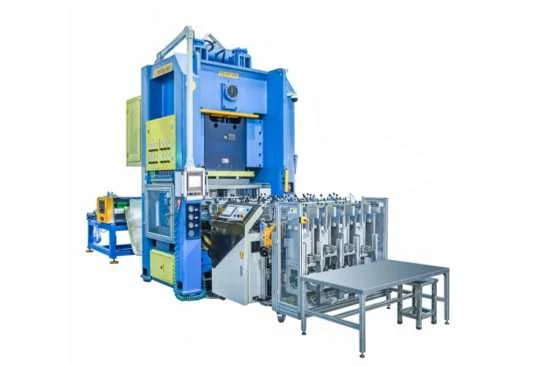
C-Frame Foil Container Machine
C-frame press configuration for aluminum foil container forming, with open access on three sides.
View details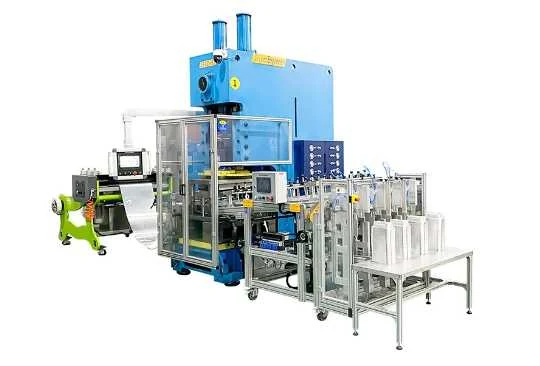
H-Frame Foil Container Press
Closed H-frame press built for heavier, higher-tonnage aluminum foil container forming.
View detailsTurn this into a project
Send us your target product and market. We come back with the factory shortlist and what it costs to verify them.