




How to Maintain a Foil Container Machine for Long-Term Use?
Learn how to properly handle foil container machine maintenance for long-term use. Discover daily maintenance routines, mold care, lubrication tips, spare parts management, and ways to reduce downtime.
From what we've seen in many foil container factories, most major machine failures don't happen overnight. They usually start as small issues that are ignored-lack of lubrication, loose screws, worn mold components, or poor cleaning habits.
A proper machine maintenance plan can help reduce downtime, improve product quality, and extend the lifespan of both the machine and the mold.
Why Preventive Machine Maintenance Matters?
Many factory owners only repair equipment after a problem occurs. Unfortunately, emergency repairs are usually more expensive than routine maintenance.
Preventive maintenance helps:
Reduce unexpected breakdowns
Improve production stability
Extend machine lifespan
Lower repair costs
Maintain consistent product quality
In actual production, a few minutes of daily inspection can often prevent hours of downtime later.
Daily Maintenance Checklist
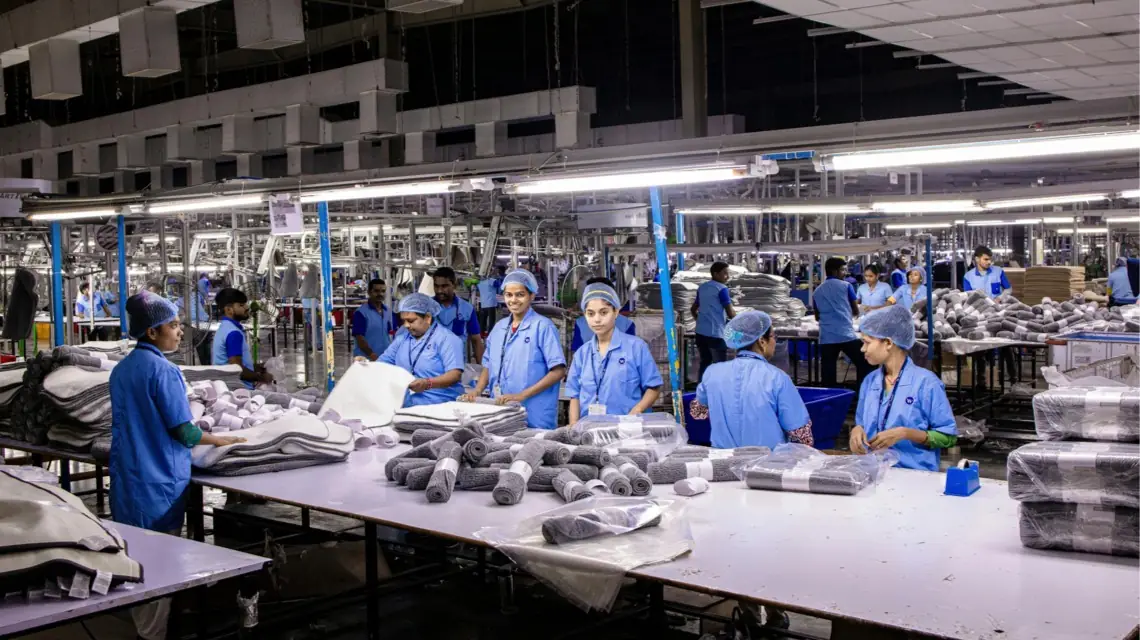
Keep the Machine Clean
Aluminum foil production generates small amounts of scrap and dust during operation.
At the end of each shift:
Remove aluminum scraps
Clean machine surfaces
Wipe away excess oil and aluminum chips
Check mold cavities for debris
A clean machine is easier to inspect and less likely to develop hidden problems.
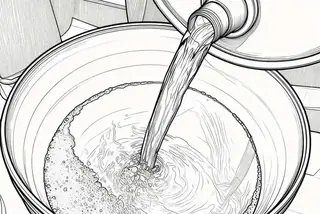
Check Lubrication Levels
Proper lubrication is critical for all moving components.
Inspect:
Stamping oil
Gear oil
Hydraulic oil
Lithium grease points
Insufficient lubrication can accelerate wear and reduce machine accuracy.
Inspect Air Pressure
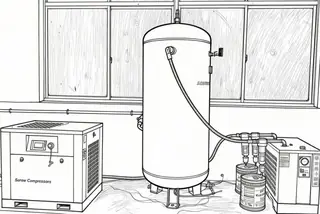
Most aluminum foil container machines rely heavily on compressed air.
Check:
Air compressor operation
Air pressure stability
Air hoses
Pneumatic cylinders
Low air pressure can cause feeding issues, unstable production, and poor stacking performance.
Listen for Unusual Sounds
Operators often notice problems before maintenance technicians do.
If the machine starts producing unusual sounds, vibrations, or impacts, stop production and investigate immediately.
Ignoring abnormal noises can lead to larger mechanical failures.
Weekly Maintenance Tasks
Check Bolts and Fasteners
Continuous stamping creates vibration.Over time, screws and bolts may loosen.
Inspect:
Mold mounting bolts and screws
Machine frame fasteners
Guide rail connections
Pneumatic component mounting points
Loose components can affect production accuracy and machine safety.
Inspect Pneumatic Systems
Check:
Air cylinders
Solenoid valves
Air pipes
Connectors
Air leaks reduce machine efficiency and increase compressor energy consumption.
Clean Electrical Components
Dust and oil contamination can affect electrical performance.
Inspect:
Control cabinets
Sensors
Electrical terminals
Servo systems
Keeping electrical systems clean helps prevent unexpected faults.
Monthly Maintenance Tasks
Inspect Bearings and Moving Parts
Bearings are critical components in high-speed production equipment.
Look for:
Excessive heat
Abnormal noise
Excessive movement
Replacing a worn bearing early is much cheaper than repairing secondary damage.
Verify Machine Alignment
Proper alignment ensures stable production and even wear on machine components.
Poor alignment can lead to:
Product defects
Mold damage
Increased vibration
Periodic inspection helps maintain long-term production accuracy.
Replace or Refill Lubricants
Review lubricant conditions regularly.
Common lubricants include:
Aluminum foil container stamping oil
No.320 gear oil
No.46 hydraulic oil
Lithium grease
Way oil
Following a lubrication schedule is one of the easiest ways to extend machine lifespan.
Mold Maintenance Is Equally Important
Many investors focus heavily on the machine but underestimate the importance of mold maintenance.
In reality, mold condition directly affects:
Product appearance
Cutting quality
Production stability
Scrap rate
Regular mold maintenance should include:
Cleaning aluminum residue
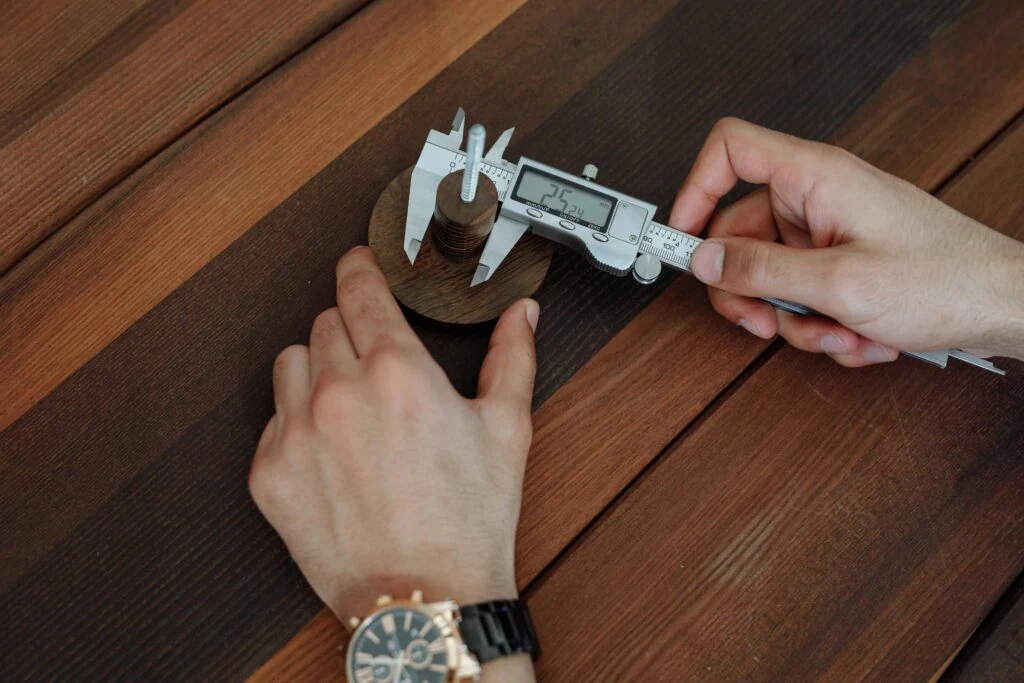
Inspecting cutting edges
Checking punch and die wear
Verifying alignment
A foil container mold is a modular system. In most cases, worn components such as cutting plates or punches can be replaced without replacing the entire mold.
From what we've seen, a well-maintained mold can remain in service for many years.
Keep Critical Spare Parts in Stock
One common mistake made by new factory owners is waiting until a component fails before ordering replacements.
This often leads to unnecessary downtime.
Recommended spare parts include:
Cutting plates male and female die
Springs
Pneumatic seals
Sensors
Solenoid valves
Bearings
Having critical spare parts available can significantly reduce production interruptions.
Train Operators Properly
Even the best machine can be damaged by poor operating habits.
Machine operators should understand:
Startup procedures
Shutdown procedures
Safety inspections
Daily cleaning routines
Basic troubleshooting
Many production problems can be identified and corrected early when operators are properly trained.
Work Closely with Your Machine Supplier
Technical support becomes extremely important when unexpected problems occur.
Maintain communication with:
Service engineers
Technical support teams
Sales person
From what we've seen in many factory projects, fast after-sales support often becomes more valuable than the machine price itself.
A supplier that responds quickly can help minimize downtime and keep production running smoothly.
Common Maintenance Mistakes
Ignoring Small Problems
Minor issues often become expensive repairs if left untreated.
Using Incorrect Lubricants
Different machine systems require different oils and greases.
Using the wrong lubricant can accelerate wear.
Poor Mold Cleaning
Aluminum scraps trapped inside the mold can cause scratches and product defects.
No Spare Parts Inventory
Waiting for replacement parts after a breakdown can stop production for days or weeks.
Lack of Maintenance Records
Without maintenance records, it becomes difficult to identify recurring problems or replacement schedules.
Create a Long-Term Maintenance Plan
Successful factories don't rely on memory.They create maintenance schedules and follow them consistently.
A simple maintenance plan should include:
Daily inspections
Weekly checks
Monthly servicing
Lubrication schedules
Spare parts tracking
Machine performance records
This approach helps identify potential issues before they become major problems.
Conclusion
Proper foil container machine maintenance is one of the most important factors affecting production efficiency and equipment lifespan.
Regular cleaning, lubrication, mold maintenance, spare parts preparation, and operator training can significantly reduce downtime and repair costs.
For factory owners, maintenance should not be viewed as an expense. It is an investment that protects your machinery, improves production stability, and helps maximize long-term profitability.
Preventive maintenance protects your investment and ensures consistent production performance. If you're planning or operating a manufacturing business, our
The Complete Guide to Starting an Aluminum Foil Container Manufacturing Business offers a complete roadmap covering equipment, production, maintenance, and business success.
FAQ Section
How often should a foil container machine be maintained?
Basic inspections should be performed daily, with more detailed maintenance conducted weekly and monthly.
What lubricant is used in foil container machines?
Common lubricants include stamping oil, hydraulic oil, gear oil, lithium grease, and way oil.
How long can an aluminum foil container machine last?
With proper maintenance, many machines can operate reliably for more than 10 years.
Why is mold maintenance important?
Mold condition directly affects product quality, scrap rate, and production stability.
What spare parts should a factory keep in stock?
Cutting plates, punches, springs, bearings, pneumatic seals, sensors, and solenoid valves are commonly recommended.
What causes unexpected machine downtime?
Poor lubrication, worn components, lack of spare parts, and inadequate maintenance are among the most common causes.
Can operator training improve machine lifespan?
Yes. Properly trained operators can identify potential issues early and reduce unnecessary wear on the equipment.
Share:
Threads
Have a project like this?
We source the machinery, audit the factory and inspect the goods before they ship.
Ask a question Email usMore on Machinery & Production
- The Importance of Air Compressor in Aluminum Foil Food Package Factory Setup
- Alibaba Machinery Suppliers: Are They Reliable and Genuine?
- What Should You Know About The Aluminum Foil Container Machine Price Before Investing
- What Determines Aluminum Foil Container Scrap Rate? A Practical Guide for Manufacturers
Related equipment and products
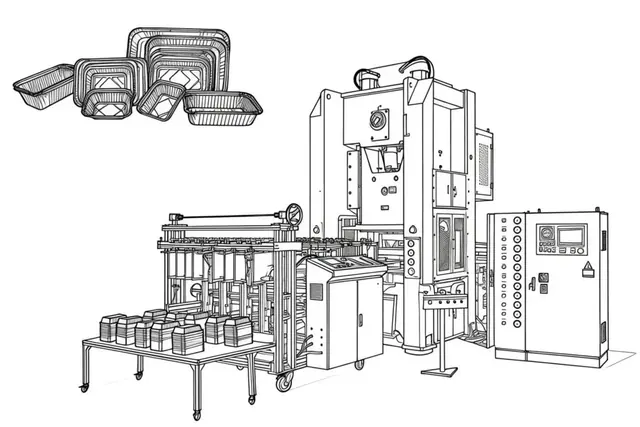
Aluminum Foil Container Making Machine
High-speed press line that converts aluminum foil jumbo rolls into finished food containers automatically.
View details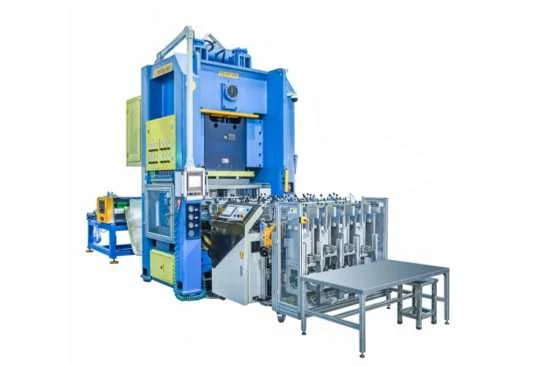
C-Frame Foil Container Machine
C-frame press configuration for aluminum foil container forming, with open access on three sides.
View details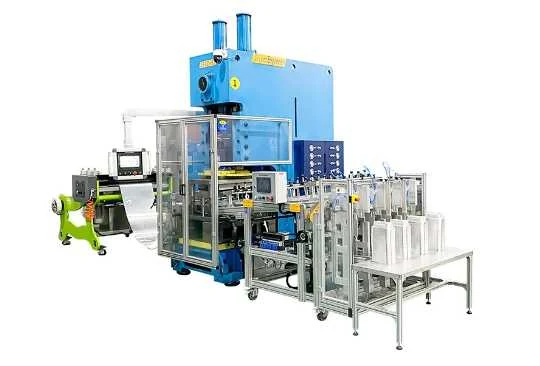
H-Frame Foil Container Press
Closed H-frame press built for heavier, higher-tonnage aluminum foil container forming.
View detailsTurn this into a project
Send us your target product and market. We come back with the factory shortlist and what it costs to verify them.