



How Aluminum Scrap Recycling Improves Foil Container Factory Profitability?
Discover how aluminum scrap recycling can improve the profitability of your aluminum foil container factory. Learn how scrap recovery affects ROI, production costs, and long-term business succes
From what we've seen in many foil container factories, aluminum scrap can become a meaningful contributor to overall profitability. In some cases, scrap recovery helps offset maintenance costs, spare part purchases, and even part of the initial investment.
The key is understanding that aluminum scrap is not waste. It is a valuable by-product of the production process.
Where Does Aluminum Scrap Come From?
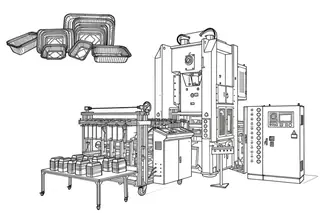
You buy a coil of aluminum foil. You feed it into a foil container making machine. The machine punches out containers. But here's what many newcomers don't realize:
The final container only uses a portion of the foil coil.
The rest becomes scrap – and it's generated at almost every stage of production.
Main sources of aluminum production scrap:
Container cutting process
When the mold punches through the foil, the area between containers becomes scrap.
Mold layout gaps
The arrangement of cavities on the mold determines how much foil is wasted between rows.
Edge trimming
Most machines trim both edges of the foil coil for tension control and consistent feeding.
Production adjustments
During setup, test runs, or speed changes, imperfect containers are rejected.
Testing and sampling
New mold trials, material changes, or quality checks all generate scrap.
Important reality check:
Every foil container factory produces scrap. It doesn't matter if you have a $50,000 machine or a $100,000 line. Scrap is not a sign of inefficiency – it's a physical reality of the stamping and forming process.
The difference between profitable factories and struggling ones? They don't try to eliminate scrap completely. They manage it, collect it, and sell it.
Scrap Rate Is Determined by Product Design.
Many buyers believe that a better machine means less scrap. That's only partly true. In fact, scrap rate is determined primarily by product design
specifically, the shape, size, and layout of the container.
What actually affects your scrap rate:
Factor
Impact on Scrap Rate
Product shape
Square/rectangular = lower scrap. Round/oval = higher scrap.
Product size
Very small products leave more web area between cavities.
Rim design
Wide rims increase scrap. Narrow rims reduce it.
Curl style
External curls vs. internal curls affect nesting efficiency.
Mold layout
Multi-cavity molds can reduce scrap if designed well.
Number of cavities
More cavities per stroke = less scrap per container.
No matter how efficient the production line is, some scrap generation is unavoidable.
This is why experienced factory owners treat scrap management as part of the business model rather than a waste disposal issue.
Aluminum Scrap Still Has Significant Value.
Unlike cardboard, plastic film, or many other packaging wastes, aluminum scrap retains high market value because aluminum can be recycled infinitely without losing quality.
Here's what new investors don't know:
In most markets, clean aluminum production scrap sells back to recyclers at roughly
50–70% of the price of new aluminum coil
Example (using realistic market numbers):
New aluminum foil coil price: $4,000 per ton
Clean production scrap price: $2,400 per ton (60% of new value)
That means for every ton of scrap you generate, you recover $2,400 that would otherwise be lost.
Now consider a medium-sized foil container factory running 50 tons of aluminum per month. If your scrap rate is 8%, you generate 4 tons of scrap per month. At $2,400 per ton, that's $9,600 per month in recovered value.
Over a year: nearly
$115,200
just from selling what many investors call "waste."
This is why aluminum scrap recycling is not a nice-to-have. It's a direct improvement to your bottom line.
How Scrap Recovery Improves ROI?
Raw material is usually the largest cost in aluminum foil container manufacturing.For most factories, aluminum foil accounts for the majority of production expenses.
This is why scrap recovery should always be included in ROI calculations.
A simplified example:
Purchase 1 ton of aluminum foil
Produce foil containers
Generate production scrap
Sell scrap to a recycler
The revenue generated from scrap sales effectively reduces the net material cost.Many investors calculate profitability using only product sales revenue and forget to account for scrap income.As a result, they often underestimate the actual return on investment.
When evaluating a new project, it is important to calculate:
Product sales revenue
Scrap recovery income
Raw material costs
Packaging costs
Labor costs
Together, these figures provide a much more accurate picture of factory profitability.
Why Scrap Management Matters?
Selling scrap sounds simple – but profitable factories treat it as a systematic process, not an occasional clean-up.
Essential scrap management practices:
1. Clean separation
Never mix aluminum scrap with general waste, food residue, or other metals. Contaminated scrap sells for much less (sometimes 50% less).
2. Scrap balers
Loose foil scrap is fluffy and expensive to transport. A small scrap baler compresses it into dense bales, reducing storage space and increasing transport efficiency.
3. Dedicated storage area
Keep scrap dry and covered. Wet or oxidized scrap gets discounted.
4. Material tracking
Weigh scrap daily or weekly. Track how much scrap you generate per ton of input material. Sudden changes in scrap weight often signal mold issues or machine misalignment.
5. Regular selling schedule
Don't let scrap pile up for months. Sell it every 2–4 weeks to maintain cash flow and avoid storage problems.
What well-run factories do differently:
They assign one person to oversee scrap collection and sales.
They negotiate long-term scrap purchase agreements with local recyclers.
They treat scrap revenue as a separate P&L(
Profit and Loss) line, not an "other income" afterthought.
Poor scrap management is one of the most common – and most avoidable – profit leaks in foil container production.
Common Mistakes New Investors Make.
I've seen the same errors repeat across new factories in Asia, the Middle East, and Africa. Learn from them before you start.
Mistake #1: Ignoring scrap value in ROI calculations
Investors run detailed numbers on machine output and container pricing. But they assume scrap is worthless. Later, they're surprised when a competitor with the same machine seems more profitable.
Mistake #2: Mixing scrap with other waste
Aluminum scrap mixed with plastic film, paper, or food residue becomes "contaminated scrap." Recyclers pay a steep discount – sometimes only 20–30% of clean scrap price.
Mistake #3: Poor scrap storage
Storing scrap outside in rain or dust oxidizes the surface. Recyclers deduct for oxidation. Keep it inside, dry, and covered.
Mistake #4: Selling scrap irregularly
Some factories wait months to sell scrap, then take whatever price is offered. Smart sellers monitor local aluminum prices and sell when markets are strong.
Mistake #5: Focusing only on product sales revenue
They spend all their energy finding new customers for containers. Meanwhile, they ignore a revenue stream that requires no marketing, no sales calls, and no delivery costs – just good collection and a phone call to a recycler.
I visited a factory in UAE that produced only foil containers. Their scrap rate was 16%. They sold scrap every two weeks. That scrap income covered their entire electricity bill and one workers' salaries. The owner laughed and said, 'My containers pay for the machine. My scrap pays for everything else.'
Environmental Benefits of Aluminum Recycling.
Sustainability isn't just a marketing buzzword – it's becoming a purchasing requirement for large food brands and packaging buyers.
Why aluminum recycling matters:
Energy savings
Recycling aluminum uses 95% less energy than producing primary aluminum from bauxite ore.
Infinite recyclability
Aluminum doesn't degrade during recycling. The scrap you sell today can become a new container next month.
Waste reduction
Every ton of recycled aluminum keeps 5 tons of bauxite residue out of landfills.
Circular economy
Many food brands now require suppliers to demonstrate recycled content or scrap recovery programs.
How this helps your foil container business:
Large customers (catering companies, airline meal providers, food processors) increasingly ask for sustainability data. If you can show that you recycle 100% of your production scrap, you gain a competitive advantage over factories that dump scrap in landfills.
Some recyclers even provide "certificates of recycling" that you can share with your customers.
Practical tip:
Mention your scrap recycling program in your sales materials. It costs nothing to communicate but can win you contracts against less sustainable competitors.
Conclu
Have a project like this?
We source the machinery, audit the factory and inspect the goods before they ship.
Ask a question Email usMore on Machinery & Production
- The Importance of Air Compressor in Aluminum Foil Food Package Factory Setup
- Alibaba Machinery Suppliers: Are They Reliable and Genuine?
- What Should You Know About The Aluminum Foil Container Machine Price Before Investing
- What Determines Aluminum Foil Container Scrap Rate? A Practical Guide for Manufacturers
Related equipment and products
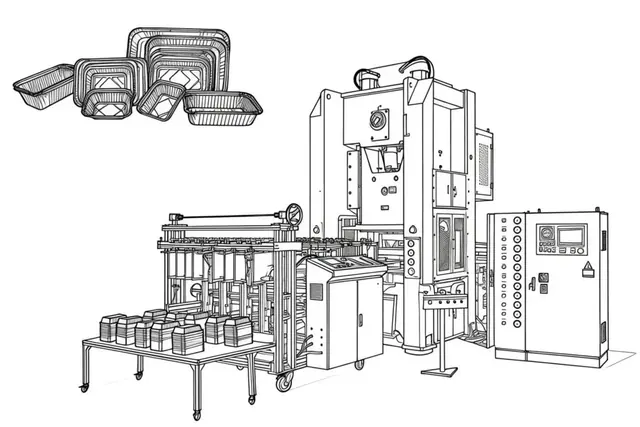
Aluminum Foil Container Making Machine
High-speed press line that converts aluminum foil jumbo rolls into finished food containers automatically.
View details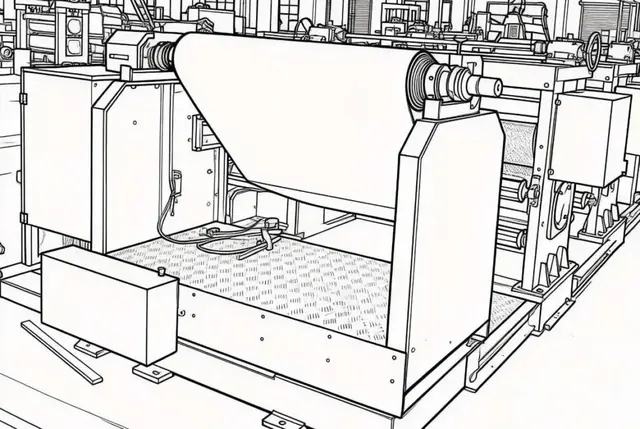
Aluminum Foil Embossing Machine
Creates textured patterns or logos on aluminum foil surfaces for appearance and function.
View details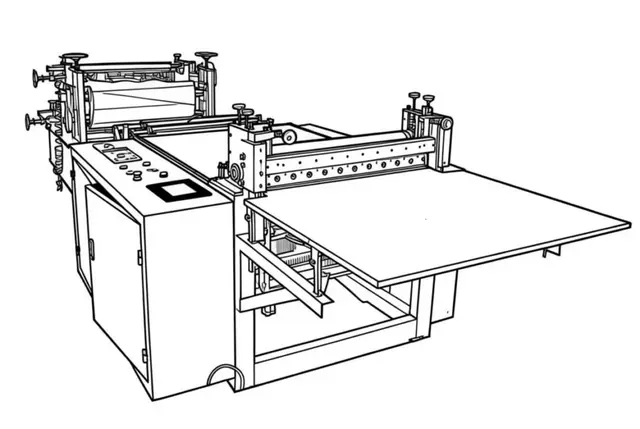
Aluminum Foil Cutting Machine
Slices large aluminum foil rolls into narrower widths or pre-cut sheets according to production requirements.
View detailsTurn this into a project
Send us your target product and market. We come back with the factory shortlist and what it costs to verify them.