

ETFE Laminated Versus Sewn Folding Solar Panels
Two constructions, one factory. Which one belongs in your range depends on weight, water and price, in that order.
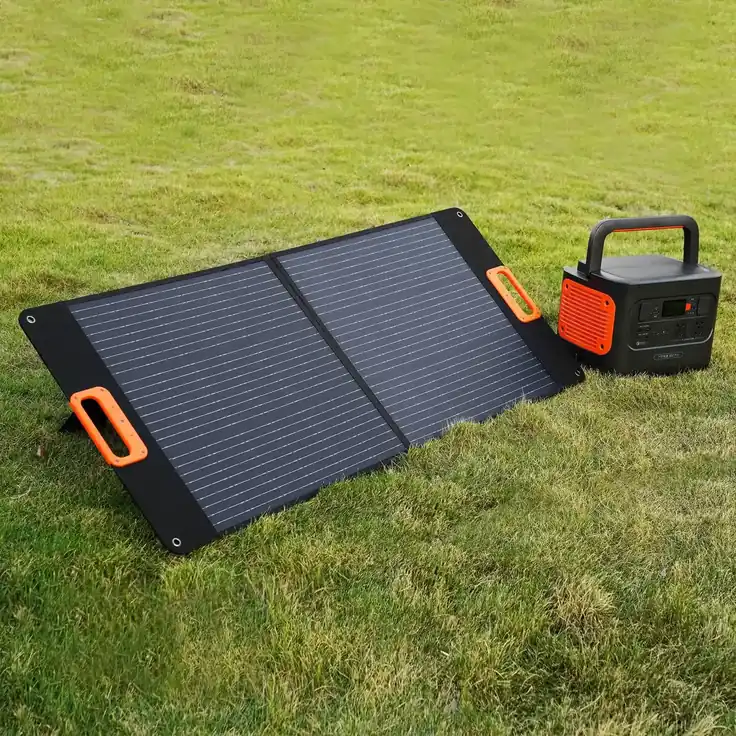
We build folding solar panels two ways. The sewn format mounts cells into a stitched fabric carrier. The laminated format bonds them under an ETFE film. Both fold flat and both charge the same devices, but they fail differently and they cost differently, and that is what should drive the decision.
What ETFE Changes
ETFE is a fluoropolymer film used as the panel surface. In our laminated construction it delivers higher conversion efficiency, lower weight, better waterproofing and better durability than the sewn build.
Those four claims are the specification we sell the line on, and the CE and RoHS examination certificates and the IP waterproof test report in our Download Center were issued against it.
Where Sewn Panels Still Win
Cost. The sewn construction is the established, cost-effective format, and for a promotional programme or a price-led retail listing it is usually the correct answer.
Our sewn range is also split into two clear families: 5W to 21W for phones, tablets and power banks, and 40W to 400W for power stations, energy storage and car batteries.
Cell Technology Is A Separate Axis
The sewn lines use mono solar cells. The ETFE line adds BC and SUNPOWER as options alongside mono.
That means the same folded size can be specified at three different output levels, which is how you raise output without making the pack bigger.
Choosing By Market Conditions
Wet and coastal markets, expedition use and marine applications are where the ETFE laminate earns its premium, because moisture ingress is what destroys folding panels.
Dry-climate camping, festival retail and corporate gifting rarely see conditions that justify the extra cost.
Both Are Customisable, But Not Identically
Silk screen, fabric and junction box are customisable across both constructions. A stand is on the list for the high-wattage sewn line and the ETFE line.
Cell technology choice is unique to the ETFE range.
Categories Referenced In This Guide
Models Discussed Above
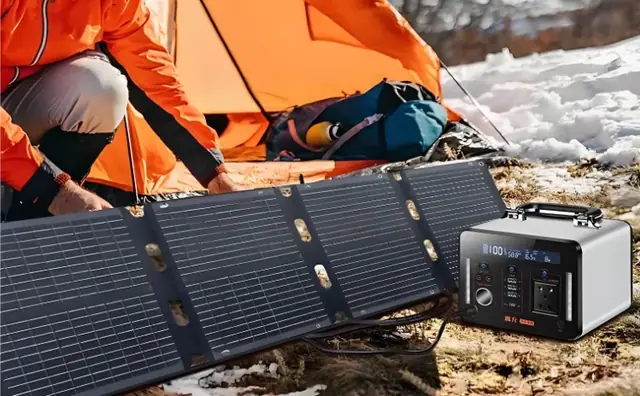
ETFE Folding Solar Panel
Higher conversion efficiency, lighter, more waterproof and more durable than the sewn format.
View Specifications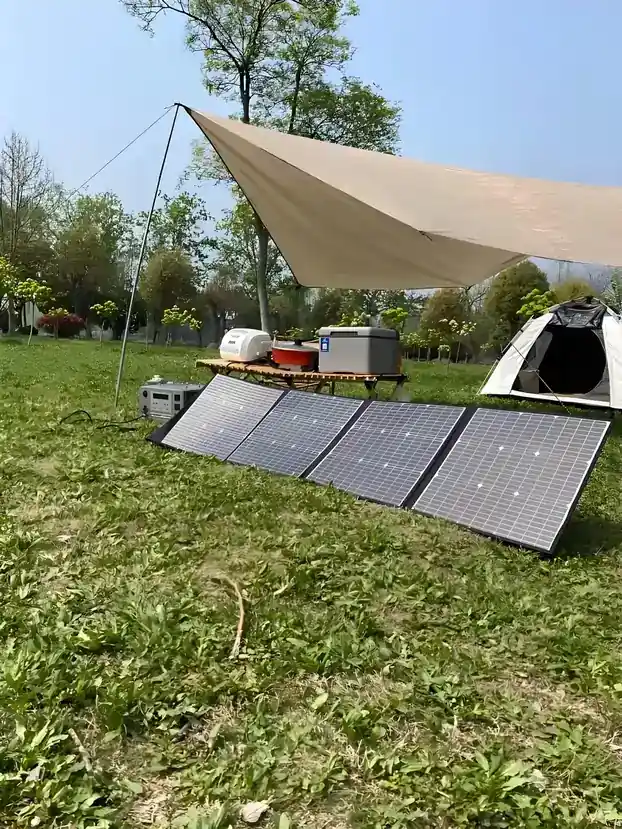
High Wattage Folding Solar Panel
Mono cell sewn panels sized for power stations, energy storage and car batteries.
View Specifications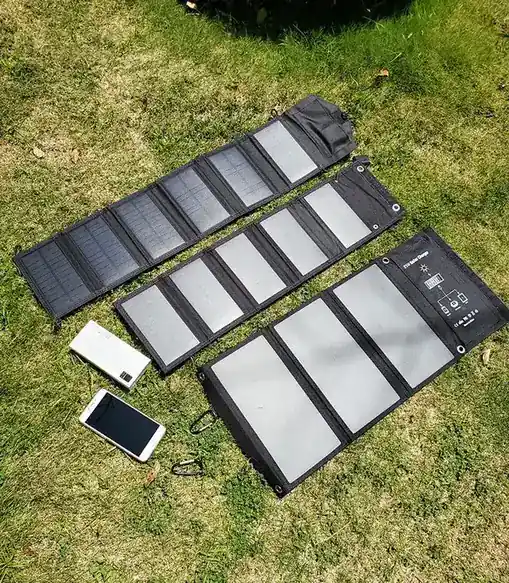
Low Wattage Folding Solar Panel
Pocket-format mono cell panels for phones, tablets and power banks.
View SpecificationsKeep Reading
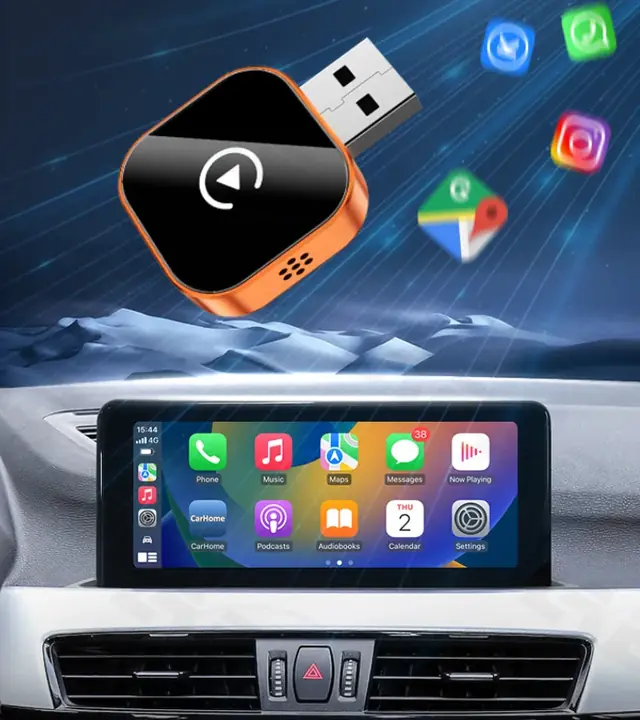
Wireless CarPlay Adapter Buying Guide For Distributors
What actually separates one CarPlay dongle from another once you strip out the marketing: CPU, radio stack, shell material, connector and compatibility floor.
Read Guide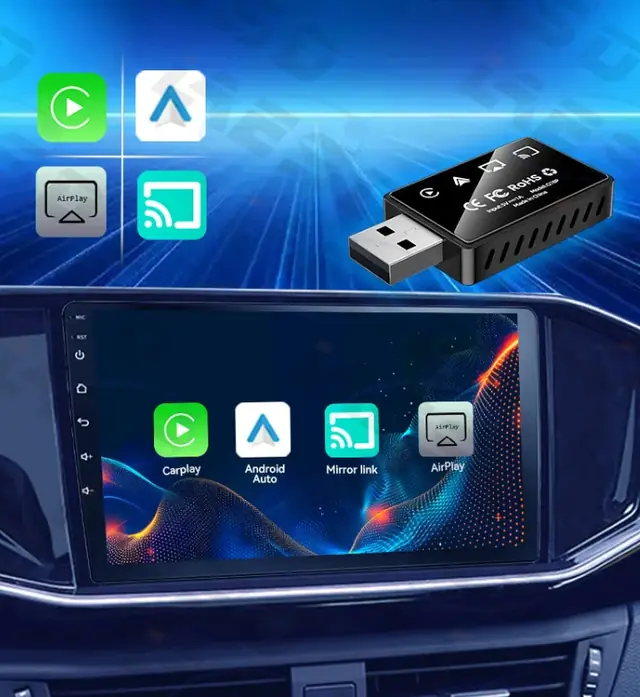
2 In 1 Versus 3 In 1 Versus 4 In 1 CarPlay Adapters
The numbers in the model names count protocols, not quality. Here is exactly what each configuration adds and who should buy it.
Read Guide
What A CarPlay AI Box Actually Does
An AI box is not a bigger adapter. It is a complete Android computer that takes over the factory screen, and that changes what you can sell it for.
Read GuideQuestions On This Topic
Is ETFE worth the extra cost for camping gear
For premium expedition brands, yes, because of weight and water resistance. For mainstream camping retail, the sewn high-wattage line usually gives a better margin at the price point customers expect.
Do both constructions reach 400W
Yes. The ETFE range covers 7W to 400W and the high-wattage sewn range covers 40W to 400W.
Which has the test reports
The IP waterproof test report and the CE and RoHS examination certificates in our Download Center were issued for the laminated folding solar panel line.
Put This Into A Quotation
Send the models and quantities you settled on and we will price them, including any customisation.