
Loading A Mixed Building Material Container
A mixed container lets you cover most of a building project in one shipment instead of paying for several part loads. The decision you face is which product families to combine, how to balance heavy and fragile items, and how to sequence the loading so nothing is crushed. This guide walks through the ranges HKBM consolidates from Foshan factories and how a typical mixed load is planned. Quantities per container are confirmed per order, since they depend on the exact mix you choose.
Start with the Heavy Flat Goods
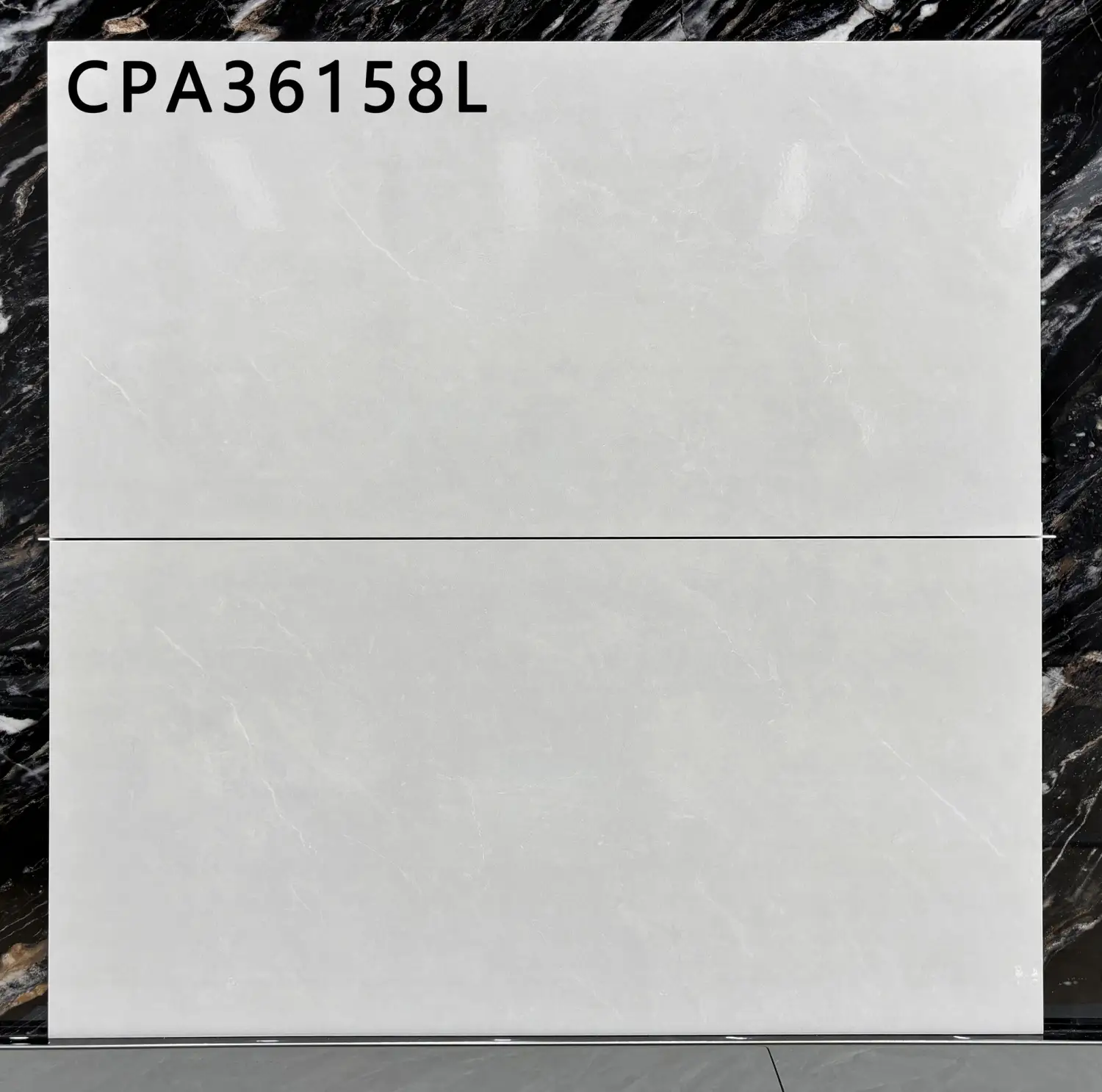
Tiles are the natural base of a mixed container because they are dense, flat packed and stable. HKBM lists 1460 tile models across interior floor and wall tile, external tile and wooden rustic tile, so a single project can usually be covered from one range. Formats run from 300*300 up to 750*1500 and 900*1800, plus plank sizes such as 150*800, 200*1000 and 200*1200. Large format cartons are heavier per piece, so tell your sales contact the mix of sizes early. Glossy and matt finishes ship in the same cartons and can be combined freely. Step tile, with 59 models, is usually added on the same layer as floor tile.
Add Doors and Windows Next
Doors and windows are the bulkiest part of a mixed load and set the height of what goes on top of the tiles. The door range has 343 models: aluminium casement, french, sliding and folding doors, wrought iron doors and gates, garage doors, wooden doors in WPC, solid wood, composite and glass wood, and PVC casement and sliding doors. Windows add 89 models across aluminium casement, sliding, fixed and tilt and turn, plus PVC casement and sliding. Frames are normally crated or palletised upright, so plan which walls of the container they will line. Glass carrying items should never take weight from above.
Use Railings and Roof Sheets to Fill Length
Long, relatively light goods are ideal for the spaces that doors and tiles leave behind. The railing range covers 135 models: balcony guardrail, window grille, fence and stair handrail, most of which pack as long bundles. Roof sheets include 111 models across asphalt tile, stone metal roof tile, ABS roof and decker metal, and these nest or bundle into long flat stacks. Both families travel well along the container walls or across the top of the tile layer. Keep wrought iron gates separate from finished aluminium frames so surfaces are not scratched in transit.
Finish with the Light and Small Families
The upper and rear spaces of the container suit the lighter ranges. Bathroom accessories cover 49 models including hardware, steam room, toilet and massage jacuzzi, and furniture covers 51 models across living room, bedroom, wardrobe, bed and kitchen cabinet. Ceilings come in plaster panel, PVC gusset and PVC ceiling, and there are 10 light models and 9 PVC rain gutter models. Cartons of lights and hardware should go on top or in the nose of the container where nothing heavy rests on them. A jacuzzi or steam room unit is bulky for its weight, so flag it early as it changes the whole loading plan.
Plan the Load Before Production Finishes
Send your full list to Coco Qiu or Johnny Wong with quantities per model before the goods are ready, not after. A mixed load of tiles, doors, windows and bathroom fittings needs a loading sequence worked out in advance: heavy tile pallets first, framed goods upright, long bundles along the walls, light cartons last. Ask for the packing list per product family so your customs broker sees clear groupings. There are 88 PDF catalogues across the 11 ranges, so request the ones for your families and confirm exact models from them. Container quantities and the final loading plan are confirmed per order.
Documents and Arrival at Destination
Mixed containers clear customs more smoothly when the packing list groups items by product family rather than by factory. Tell your sales contact which ranges are in the load so the documents match the physical layers of the container. On arrival, unload in reverse order: light cartons and lights first, then frames, then the tile pallets at the floor. Check glass, mirrors and glossy tile faces before signing the delivery receipt. Any shortage or damage claim is far easier with photos taken at the container door.
Key Takeaways
- Build the load around tiles first; they are the dense, stable base layer.
- Doors and windows set the height plan and must be crated upright with no weight above glass.
- Railings and roof sheets fill the long spaces along walls and above the tile layer.
- Share the full model list and get the loading sequence and packing list confirmed per order.
Loading a Mixed Building Material Container FAQ
Can Tiles, Doors and Windows Really Ship in One Container
Yes, that is the standard mixed load. Tiles form the heavy base, door and window frames stand upright along the walls, and lighter goods such as lights and bathroom hardware fill the top and rear spaces.
How Many Models Fit in One Container
It depends entirely on your mix of families and formats, since a 900*1800 tile carton and a PVC rain gutter bundle occupy very different space. Quantities are calculated and confirmed per order once your list is fixed.
Which Tile Formats Can Be Combined in One Load
Any of the listed formats can be combined, from 300*300 up to 750*1500 and 900*1800, plus plank sizes like 150*800 and 200*1200. Mixing very large formats with small ones changes pallet weights, so confirm the format split early.
How Do I Choose Models for the Container
Request the PDF catalogues for the ranges you need; there are 88 catalogues across the 11 product families. Pick your models from those, send the list to Coco Qiu or Johnny Wong, and the packing and loading plan is confirmed from there.
Start With a Model List
Send the trades and quantities your project needs. We come back with one quotation covering the whole list.