The Three Layers You Are Matching
Mobile networks run on three generations that still matter for handset buying: 2G GSM, 3G UMTS and 4G LTE. A handset supports a specific list of frequency bands within each of those, and it can only use a network if the band matches.
This is why the same model number can behave differently in two countries. The handset is not faulty, it simply does not carry the band the local operator uses.
2G GSM Bands
Across Europe, the Middle East and Africa the standard pair is GSM 900 and GSM 1800. The Americas use GSM 850 and GSM 1900 instead. A quad band handset carries all four and works in both regions.
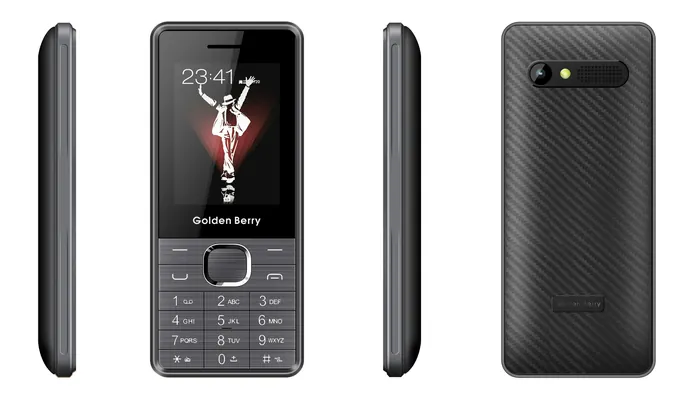
For a keypad handset in the Middle East or Africa, GSM 900 and 1800 support is the practical minimum. Check whether the destination country still operates a 2G network at all, because some markets have begun retiring it.
3G UMTS Bands
The two that matter most in this region are band 1 at 2100 MHz and band 8 at 900 MHz. Band 1 is the common urban carrier and band 8 gives better reach in rural coverage.
Several operators have retired or are retiring 3G to reuse the spectrum for 4G, so do not assume a 3G only handset will keep working through the life of the stock.
4G LTE Bands
LTE is identified by band number rather than by frequency in everyday use. Band 3 at 1800 MHz and band 1 at 2100 MHz are widely deployed. Band 8 at 900 MHz and band 20 at 800 MHz are common lower frequency coverage layers, band 7 at 2600 MHz is a capacity layer, and band 28 at 700 MHz is used in parts of the Asia Pacific and elsewhere.
Get the band list for each operator in the destination country from the operator or the national regulator, then check it against the handset datasheet before you commit to a quantity.
Voice Over LTE
Where an operator has retired 2G and 3G, voice calls have to run over LTE. A handset that supports LTE data but not voice over LTE can end up with a working data connection and no ability to make a call on that network.
If any operator in your destination market has announced a 2G or 3G shutdown, treat voice over LTE support as a requirement rather than an option.
Other Checks Before You Import
Some countries operate device registration schemes tied to the handset IMEI, and unregistered devices can be blocked from the network. Check the requirement with the national regulator before shipping.
Type approval or homologation is required in many markets before a handset can be sold legally. Ask your supplier which certification documents exist for the model and the destination market.
How To Ask A Supplier The Right Question
Do not ask whether a phone is 4G. Ask for the full band list for the exact build going to your country, in writing, on a datasheet.
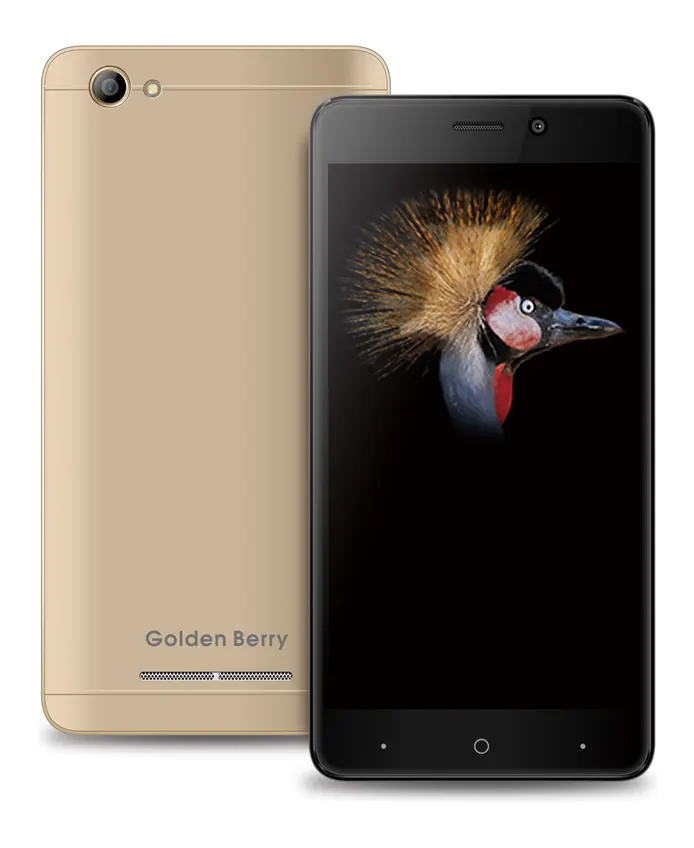
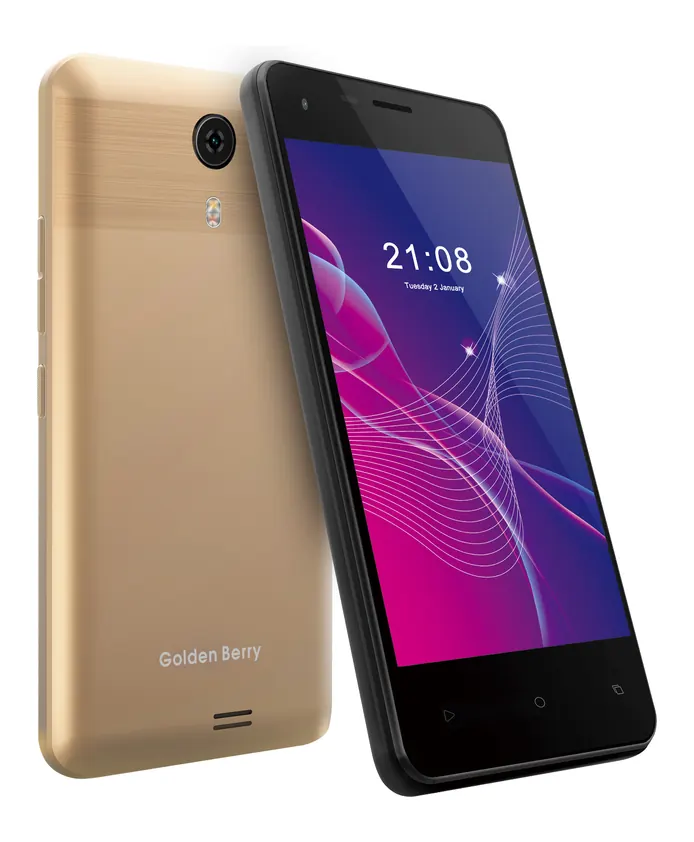
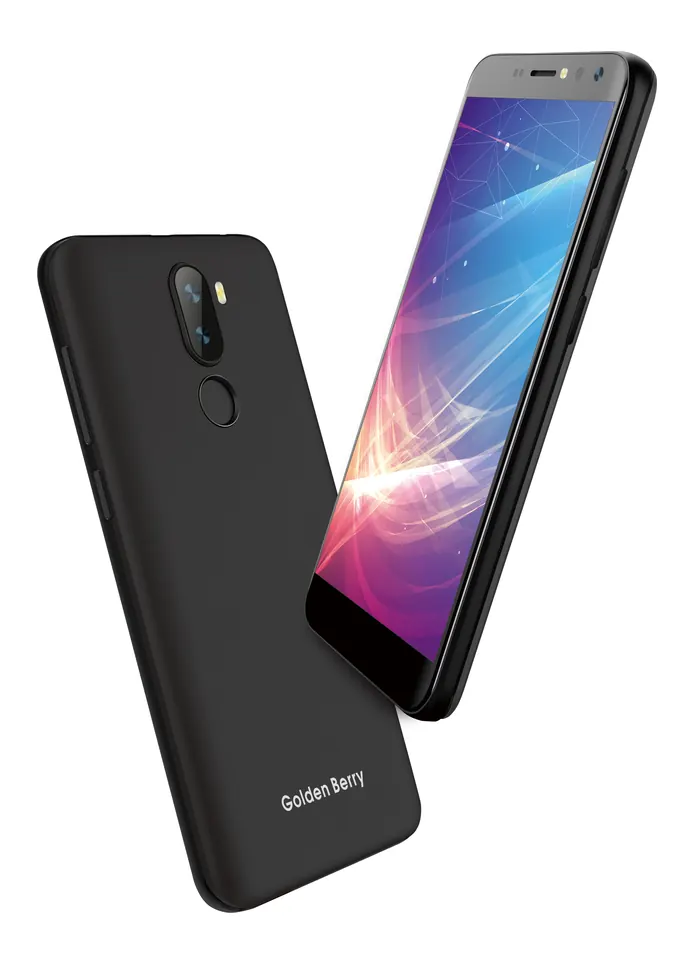
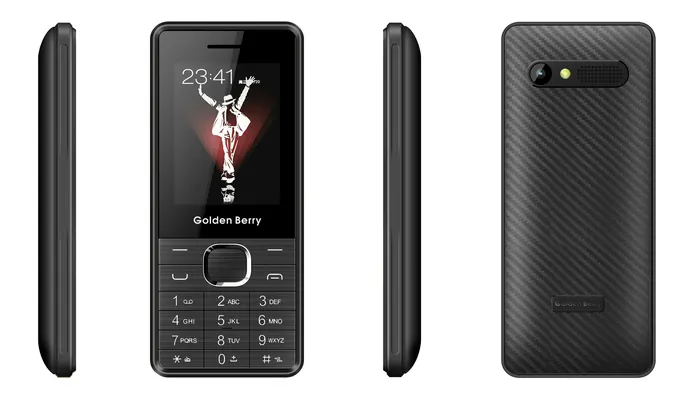
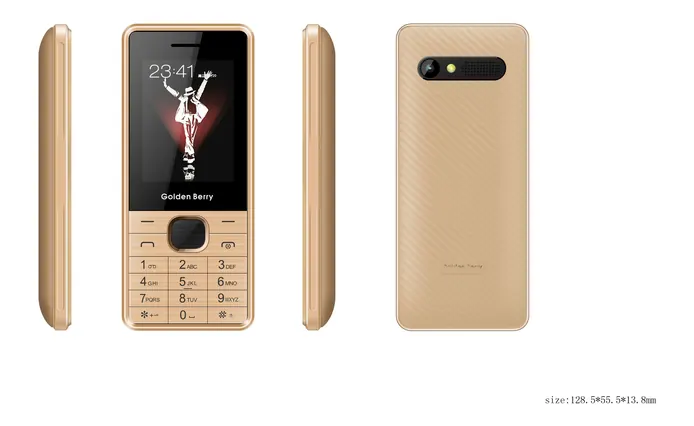
Golden Berry issues datasheets per model and per destination market for this reason. The build that goes to one country is not automatically the build that goes to another.