Why This Gets Left Too Late
Buying attention goes to price, specification and lead time, because those decide whether the order happens at all. After sales feels like a problem for later, until a batch develops a fault and there is no agreed procedure.
At that point the distributor is carrying the cost and the retailer is carrying the customer. Agreeing the route in advance costs nothing and removes both problems.
The Five Things To Agree In Writing
First, the warranty period and what it covers. Second, what evidence is needed to open a claim, usually the IMEI, the fault description and proof of purchase date. Third, who pays freight in each direction. Fourth, whether faulty units are repaired or replaced. Fifth, the response time you can expect.
None of these are difficult questions. They are only difficult after a fault has already appeared.
Spare Parts And Consumables
Displays, batteries and charging ports account for most handset service work. Ask what spare parts are available for the models you are buying and how they are ordered.
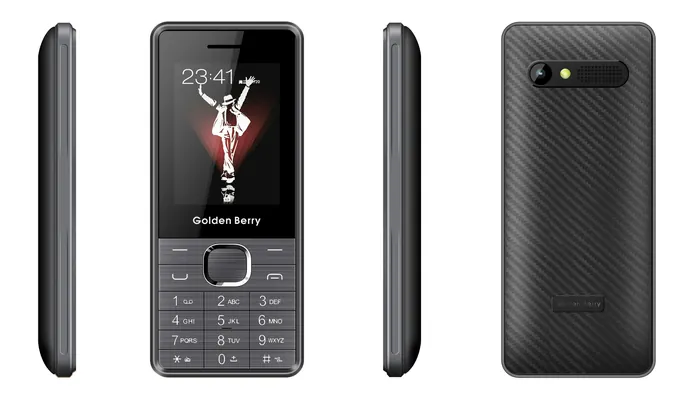
For keypad handsets with removable batteries, holding spare cells lets a shop resolve a common complaint over the counter in a minute.
Counter Procedure
Write a one page procedure for your retail staff: what to check before accepting a handset back, what to record, and what to tell the customer about timing. Most disputes come from a customer being told one thing at the counter and another later.
Record the IMEI at the point of sale. It makes every subsequent claim faster.
Documentation To Collect Up Front
Ask for the certification file for the destination market, the packaging sheet, the user manual in the right language and the quality or test report covering the batch.
Collect these at order time. Chasing them after arrival is slower and looks worse to a regulator or a customer.
How Golden Berry Handles It
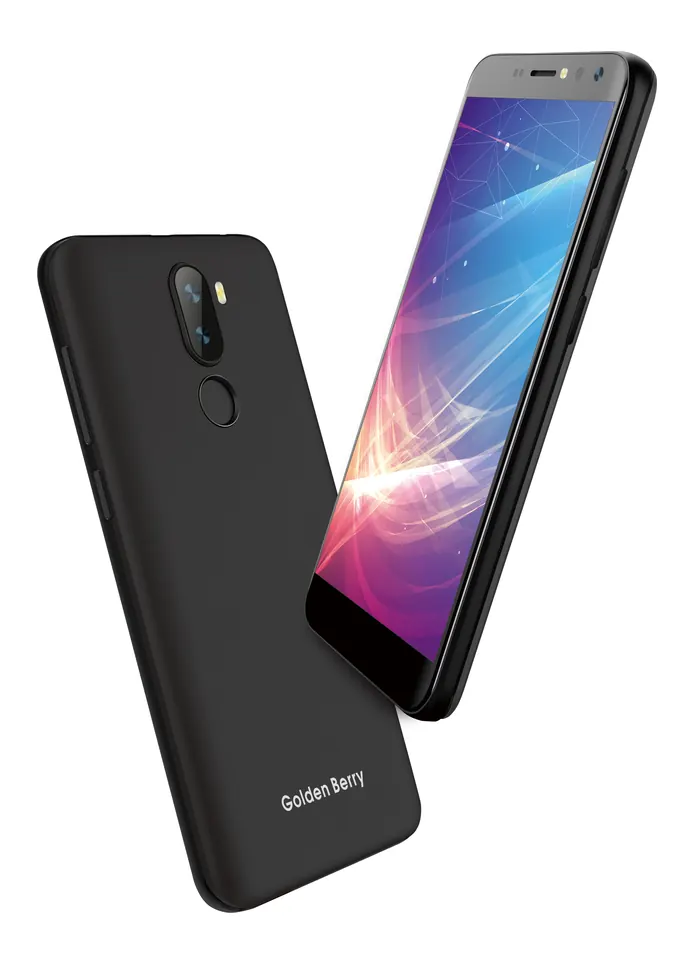
Golden Berry states that after sales service is another strong backup in serving the local market. In practice that means the warranty route and the spare parts position are agreed with a buyer before the first shipment, not improvised after a fault.
Because the brand owner also owns the factory, a service question does not have to travel through an intermediary before it reaches someone who can act on it.