Knowledge Center · Animal Trap Cages
Rodent adaptability, new-object avoidance and the pre-baiting technique that turns an empty cage into a working trap.
Rodents are highly adaptable, and that adaptability is exactly why a well-made trap can sit empty for a week.
From an evolutionary view rodents adapt to a wide range of environments, and their response to unexpected events shows how quickly they adjust. Many species with different habits, sizes and characteristics developed over long periods of gradual adaptation. Among mammals, rodents have short lifespans and fast generations, which makes them more open to imprinting, and their relatively developed nervous system gives them a strong ability to adapt and learn. House rats, which have lived alongside people for a very long time, are the most capable of all. They can be extremely cautious about anything new, and at other times remarkably bold.
House rats are highly vigilant and far more suspicious about entering a cage than about feeding on the ground. Where a trap is suddenly placed in an area rodents use every day, they show clear avoidance behaviour. Often only inexperienced individuals are caught, while the wary ones stay away. This is most pronounced with brown rats and roof rats.
Rodents feed frequently, digest quickly and tolerate hunger poorly. Reports give an average survival of about 3.3 days for mice and about 4 days for roof rats once food is withdrawn. Removing water and food for two to three days before a control programme makes rodents less selective, and baiting afterwards is considerably more effective.
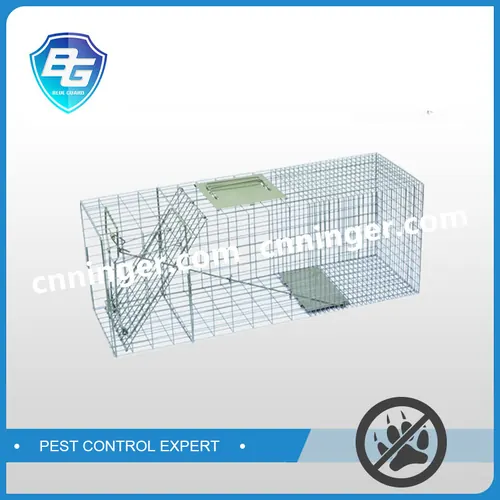
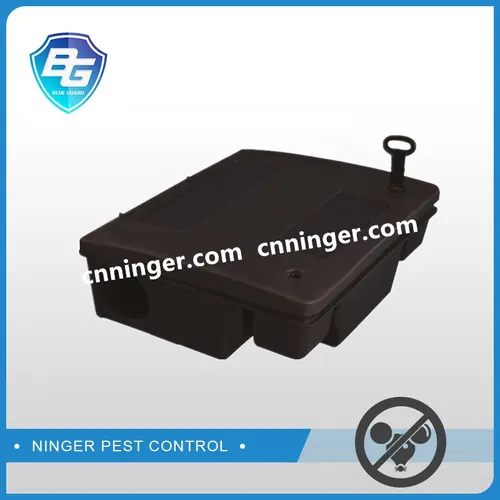
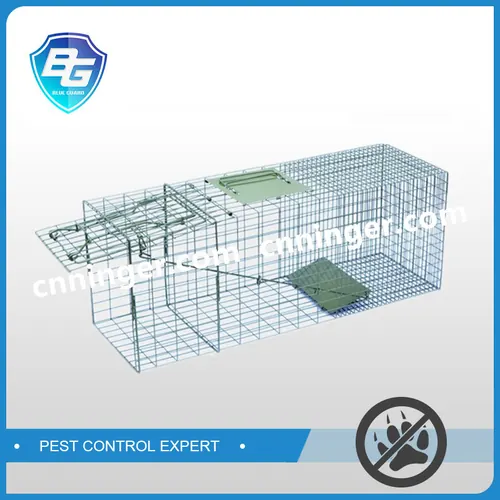
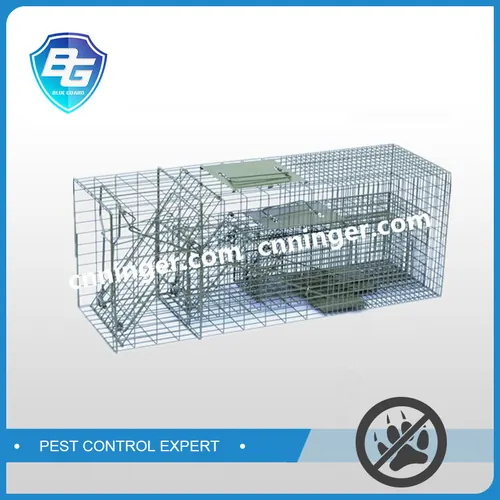
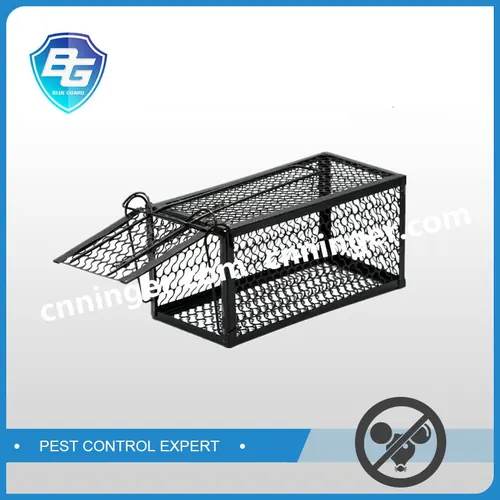
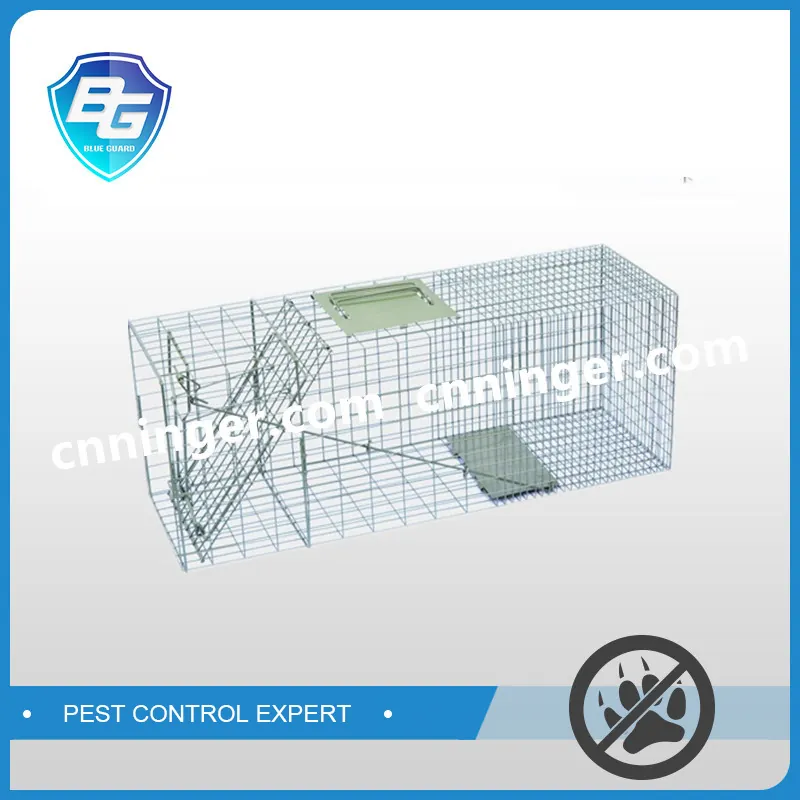
Because brown rats and roof rats avoid newly placed equipment, set the cage out holding bait only and leave it for three to five days so the animals accept it. Then set the mechanism. Catch rates improve substantially. Position matters just as much: place the trap where rodents move and feed, on the run or near the burrow — but do not block the burrow entrance with the trap.
FAQ
Describe the site and the pest pressure and we will recommend the models and placement that work.