Knowledge Center · Rat & Mouse Glue Traps
Where rodents enter a home, how their biology affects placement, and where glue boards actually need to go.
Many people buy a glue board, place it somewhere convenient and catch nothing. The board is rarely the problem — the position is.
Rodents cannot tolerate thirst and must drink daily; brown rats need 15 to 30 ml of water a day. They consume around 10% of their body weight in a day and night, and a rodent patrols roughly 100 times a day to take about 3 grams of food. Brown rats usually nest in kitchens, warehouses, outdoor drains, debris piles and refuse areas. Roof rats climb well and nest in high wall cavities, roofs, ceilings, cavity walls and above doors. House mice live in shelving, boxes, drawers and wall crevices in homes, grain stores and food stores, or in sandy ground under grass.
Besides consuming and contaminating food, rodents gnaw constantly to wear down their teeth, and the damage to packaging materials and building services is considerable. Statistics from the United States attribute around a quarter of fires of unexplained origin to rodent damage to wiring.
This is the single most useful thing to know. Rodents climb pipes and cabling to reach upper-floor apartments, so entry points are usually high, not at floor level.
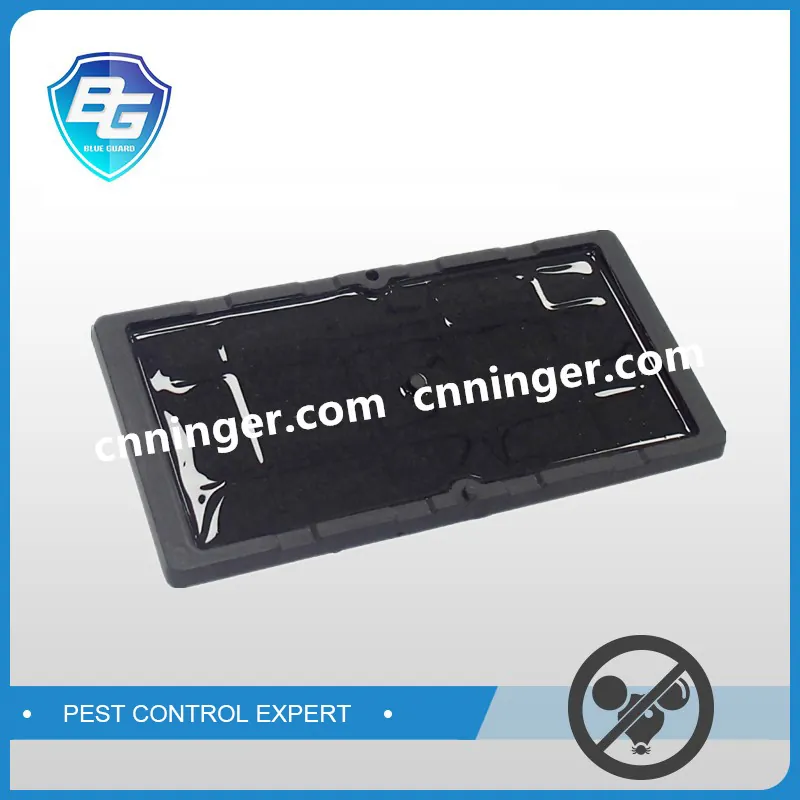
Windows are a common entry route — insect screens are often gnawed through. Place the glue board on the window, right against the frame, using a board half or one third of the width so the rodent must cross it. Put a shelled peanut or a few seeds in the middle of the board.
House mice and roof rats use pipe runs when there is nowhere else to hide, so boards belong where pipework passes through walls, floors and ceilings rather than in the open middle of a room.
FAQ
Related Products

Rat & Mouse Glue Traps
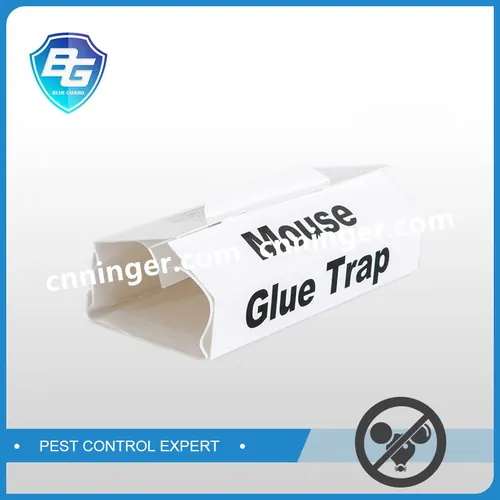
Rat & Mouse Glue Traps

Rat & Mouse Glue Traps

Rat & Mouse Glue Traps
Describe the site and the pest pressure and we will recommend the models and placement that work.