Knowledge Center · Baits & Attractants
Bait powders, gels, residual sprays and placement technique — plus what makes hospital cockroach control different.
Chemical control remains an important part of cockroach management and gives fast results, but no single product or method will clear a site on its own.
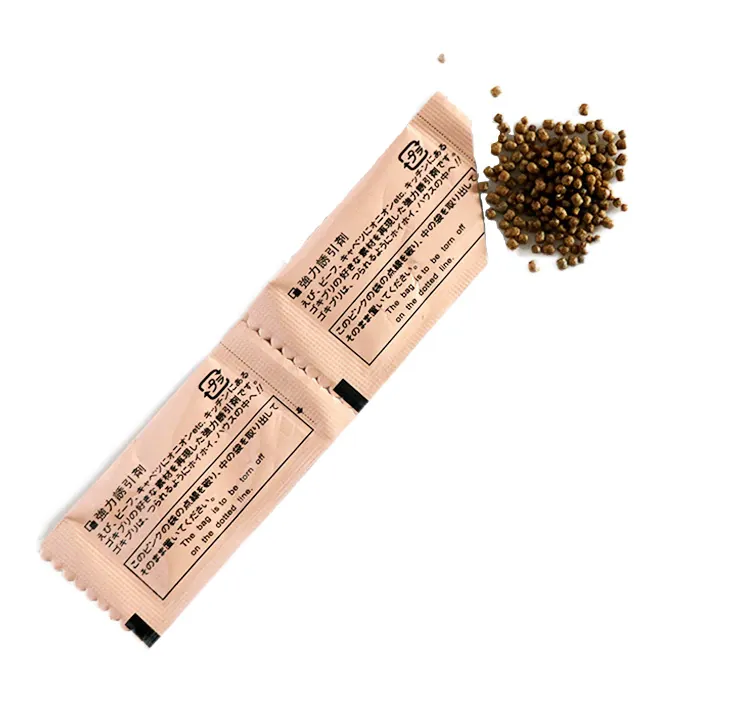
Cockroach resistance to certain pesticides increases over time, and some products carry an environmental cost. Selecting the right active, the right formulation and the right application method is therefore central to any cockroach programme.
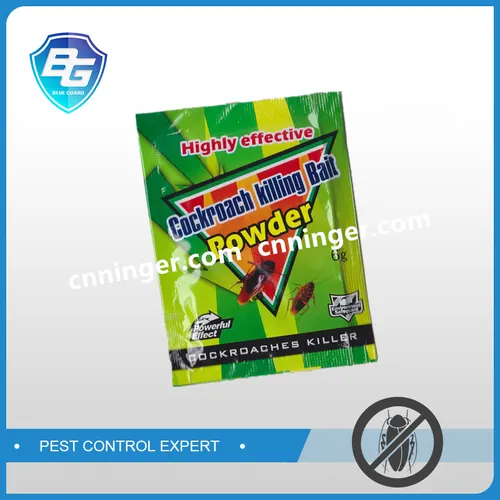
Powders are made by grinding an insecticide with a filler in a set proportion. The purpose is to increase the coverage area of the active and improve its physical handling. Powders are applied to floors and under mattresses and similar surfaces.
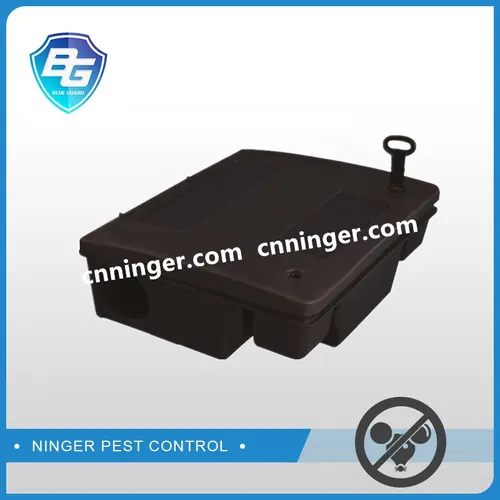
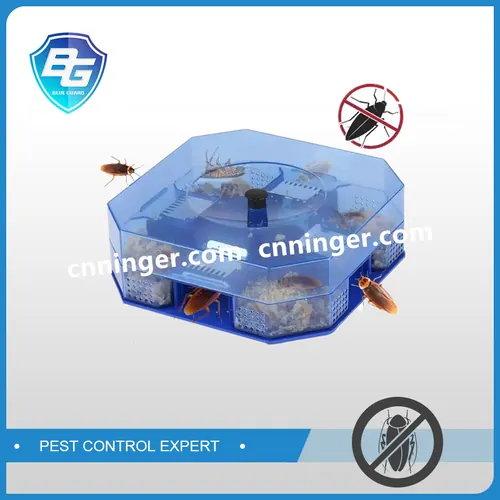
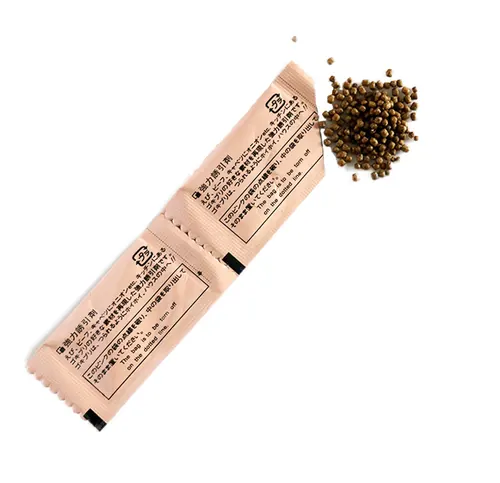
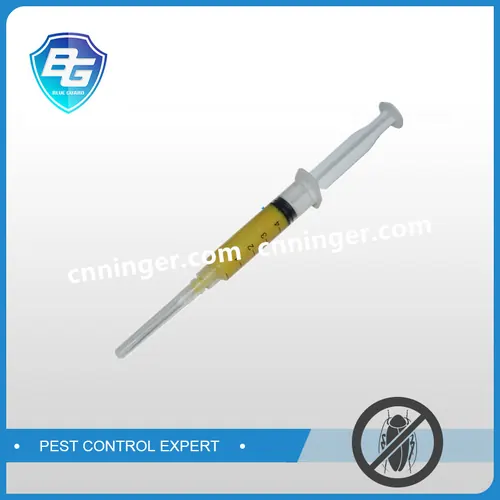
To make bait easy to place, collect and protect from moisture, put the bait in a bottle cap at a fixed point, or make a simple bait tray. Fix the tray with tape or a pin at the back corner of a cabinet, behind a drawer, behind furniture, in cracks, or on cable and pipe runs. Bait should be placed as a small amount at each point, at a large number of points, spread over a wide area.
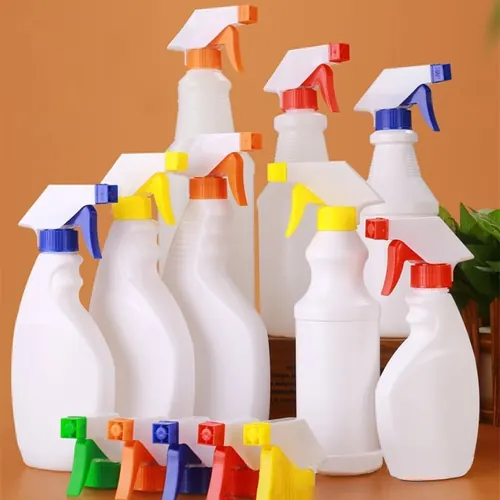
Residual spraying applies a long-acting product to the surfaces where cockroaches shelter and travel, so contact with the treated surface delivers the dose. Common formulations for residual work are wettable powders, suspension concentrates and emulsifiable concentrates.
Hospitals are among the most heavily affected sites. In most hospitals in Guangdong the main species are the German cockroach and the American cockroach, and effective control contributes directly to hygiene standards and quality of care. Cockroaches shelter in staff rooms, dishwashing rooms and toilets throughout the wards, with higher numbers in obstetrics and gynaecology, paediatrics and surgical wards, and in catering rooms, soiled utility rooms, water rooms and pipe runs. Hospital environments are relatively tidy with little furniture in the wards, which makes treatment easier, but patients live in the wards for long periods, and residual spraying in particular has to be planned around that.
FAQ
Describe the site and the pest pressure and we will recommend the models and placement that work.