Knowledge Center · Plastic Mouse Traps
Seven practical rules for trap size, placement, quantity and bait — plus the safety points that are easy to overlook.
Most disappointing results with snap traps come down to the same handful of mistakes. These are the rules professional applicators work to.
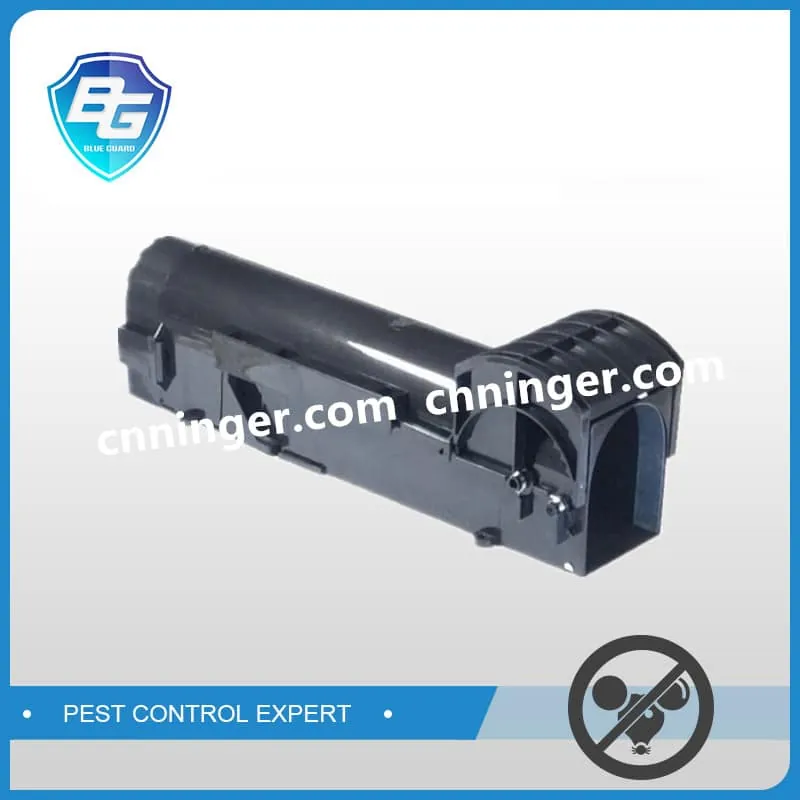
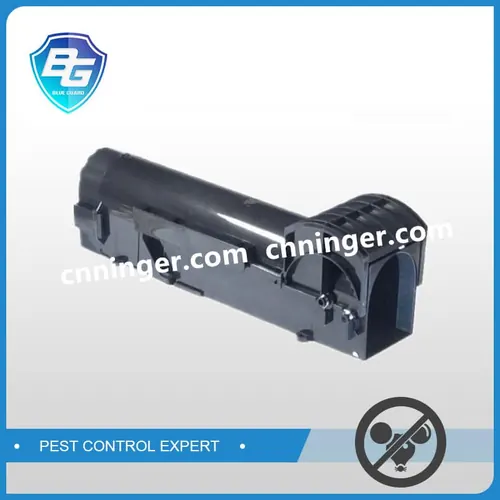
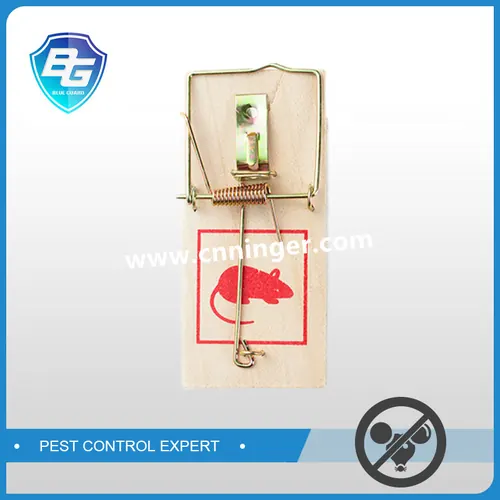
1. Match trap size to the dominant local species — a larger species needs a large rat trap.
2. Place traps beside runs, near burrow entrances, at places where rodents feed and drink, and indoors along the wall in dark, hidden spots.
3. Use enough traps. The higher the density, the more traps you need; two or three in one area is a normal starting point.
4. Deploy a large number over a short period rather than a few over a long period.
5. Keep the bait fresh.
6. If necessary, put out bait alone for a few days before introducing traps.
7. Traps that have already caught a rodent should be rinsed with boiling water to remove the residual odour before reuse.
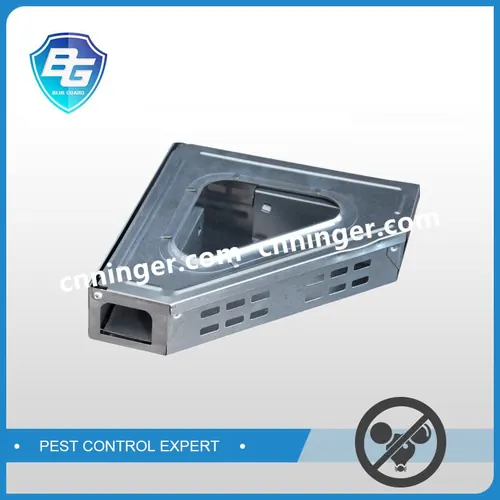
Place the trap as close to the wall as possible and choose the position carefully — it should be on the route the rodent must take. Adding a small amount of attractive bait helps. Metal traps are preferred for repeated use, because odour left on a trap affects later results.
Keep traps away from children, livestock and pets so nobody is caught out. Beyond that basic rule: do not place traps near power lines, because a rodent gnawing a cable at the moment the trap operates can cause a shock or a short circuit and fire. Do not place traps near flammable or explosive items, as some trap mechanisms release with force. Keep traps off network cables, telephone lines, electrical wiring, television cables and gas pipework, and away from valuables that rodent teeth can damage — a trapped rodent that cannot free itself is likely to bite whatever is within reach.
FAQ
Describe the site and the pest pressure and we will recommend the models and placement that work.