Knowledge Center · Bait Stations
Why rats are a public health issue and the three control approaches — physical, chemical and building exclusion — used to remove them.
Rats are the most significant sanitary pest in most buildings. Understanding what they carry explains why control programmes are worth running properly.
Rats spread disease to people directly and through parasites. Studies have confirmed that rats can transmit more than 35 diseases, including plague and epidemic haemorrhagic fever, which affects kidney function and is complicated and slow to treat. Rats also carry large numbers of bacteria onto food that people then handle, and they carry fleas that cause skin irritation and infection. Leptospirosis can be passed on when rat droppings contaminate food or drinking water.
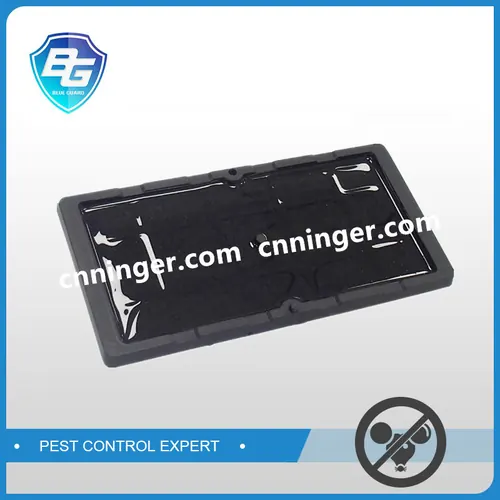
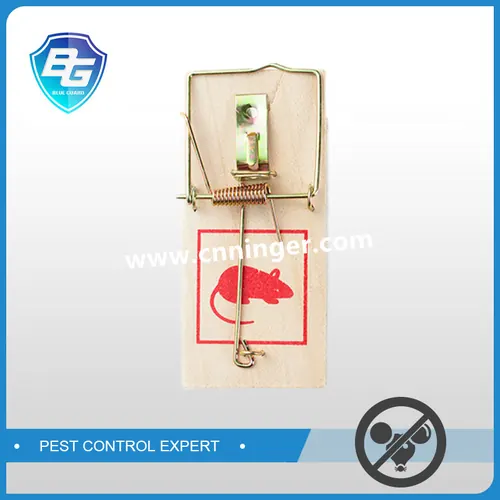
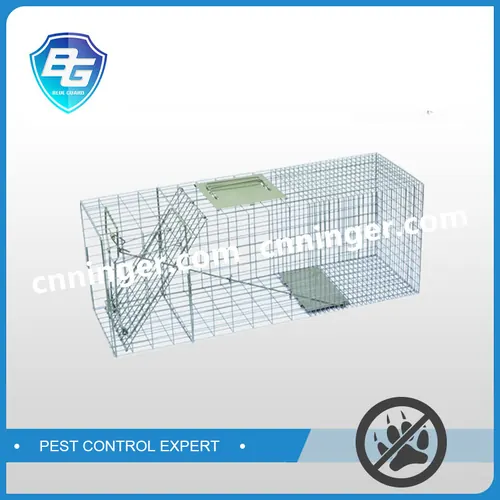
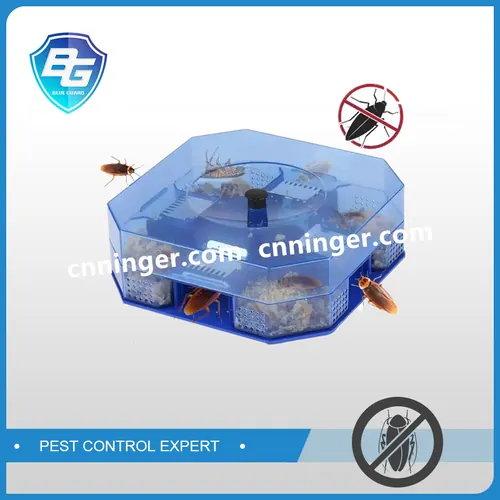
Physical methods form a line of defence inside the building: glue boards, snap traps, multi catch boxes and cage traps, positioned according to a survey of where rodents are active. This approach is efficient, hygienic, safe around people and leaves no environmental residue. It removes rodents already indoors and closes the routes they use to get in.
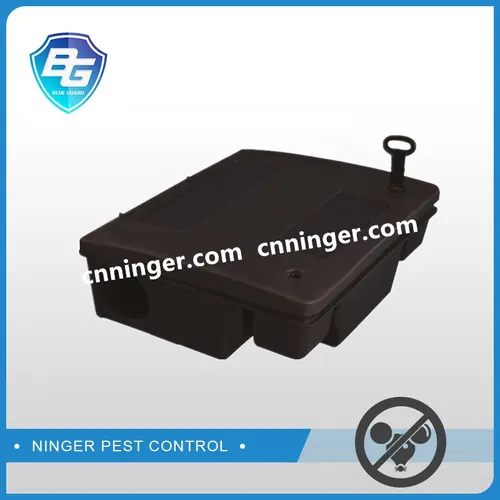
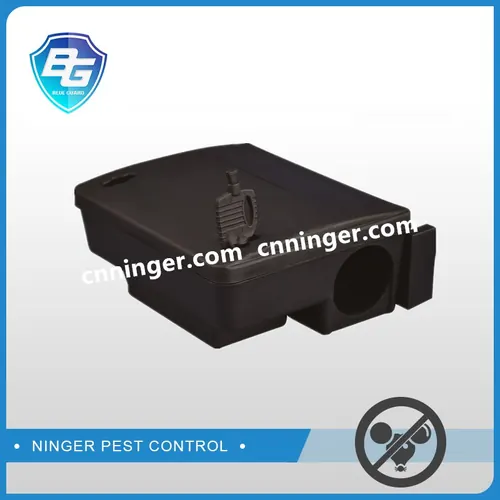
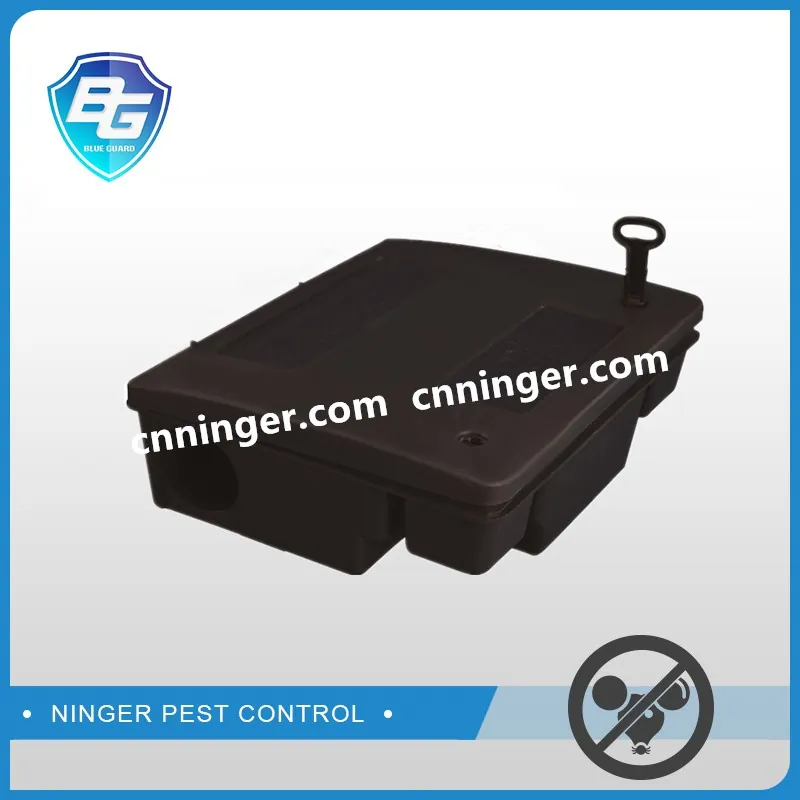
Chemical baiting uses palatable bait, prepared and placed according to the season, the period of activity and the environment. Bait belongs inside a lockable bait station so it stays dry and out of reach of children and non-target animals.
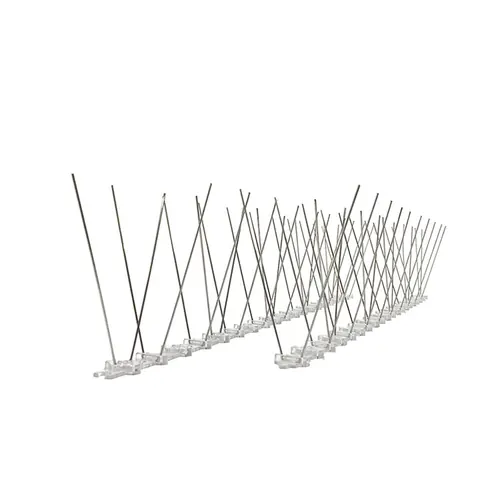
Excluding rodents from the building is the most effective and longest lasting method. Sewers and drainage channels should be intact and damaged pipework repaired promptly. Pipes running to rivers, lakes and shorelines need one-way valves or grilles. The foundation should stand at least 60 cm above ground level; where an older building cannot meet this, add a 10 cm L-shaped concrete rodent barrier around the perimeter.
FAQ
Describe the site and the pest pressure and we will recommend the models and placement that work.